AI's Platform Shift Ignites Supply Chain
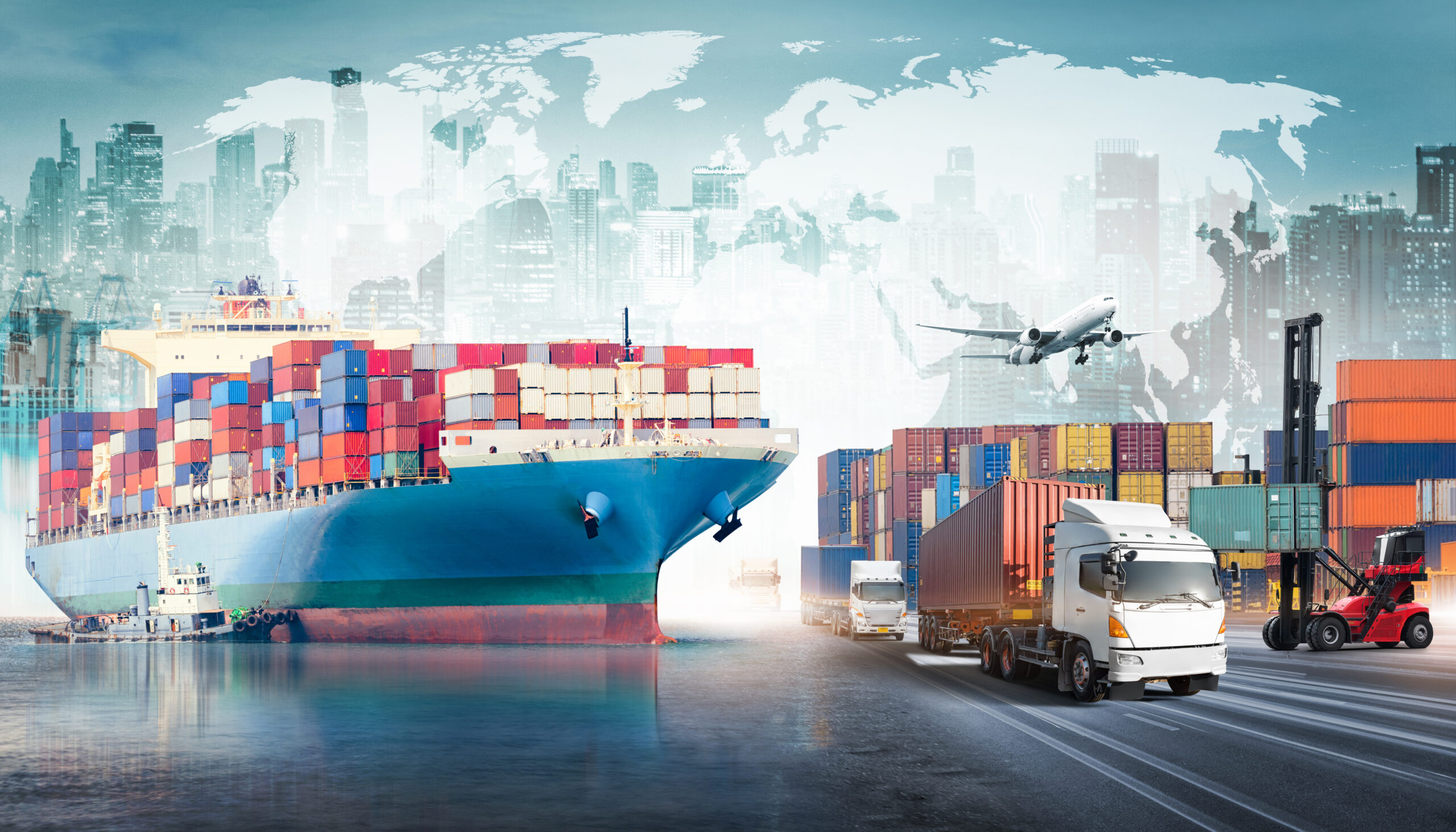
The world of supply chains is experiencing a seismic shift, not just an upgrade. Artificial Intelligence is the catalyst, fundamentally rewriting how we move goods.
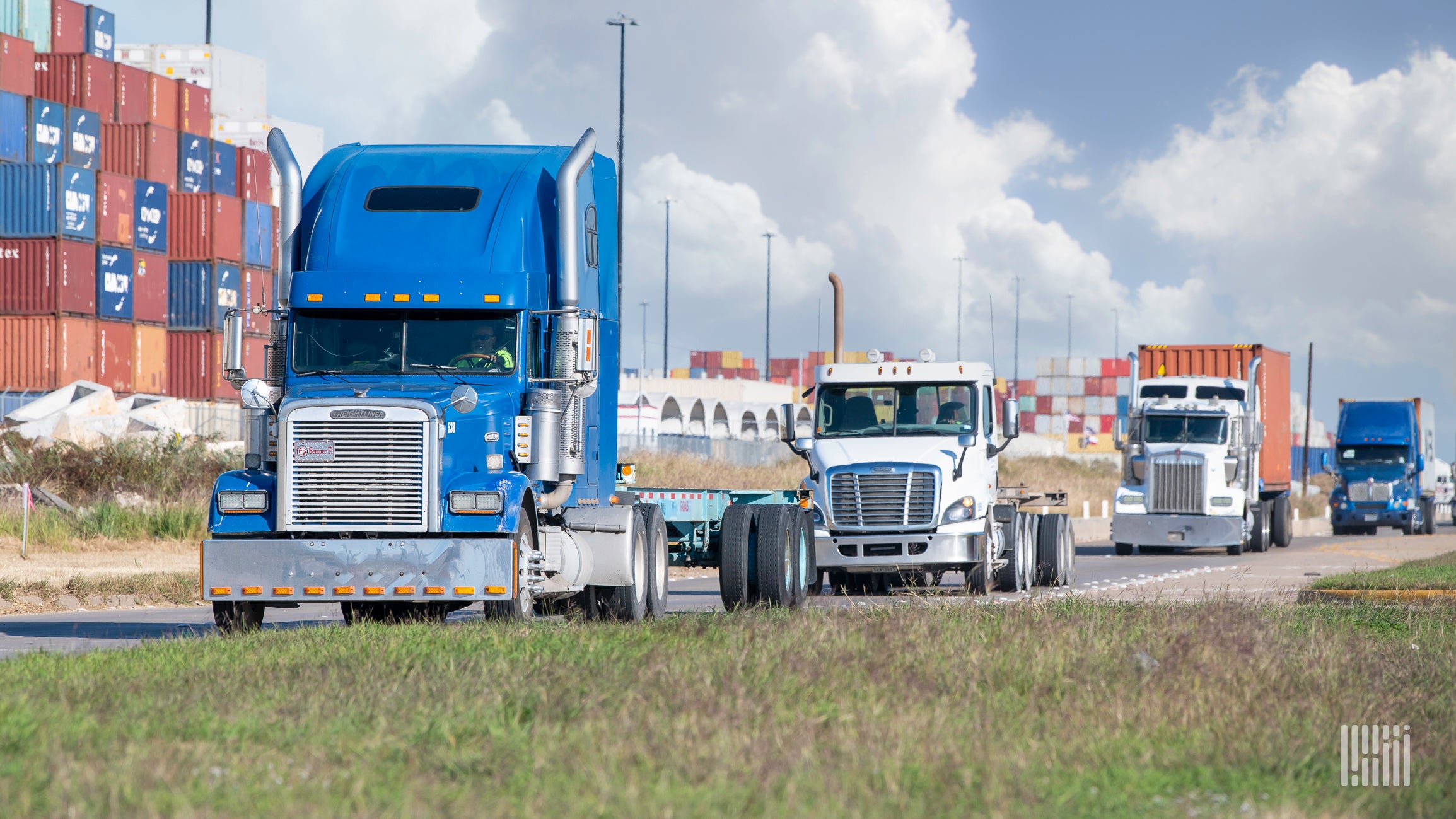
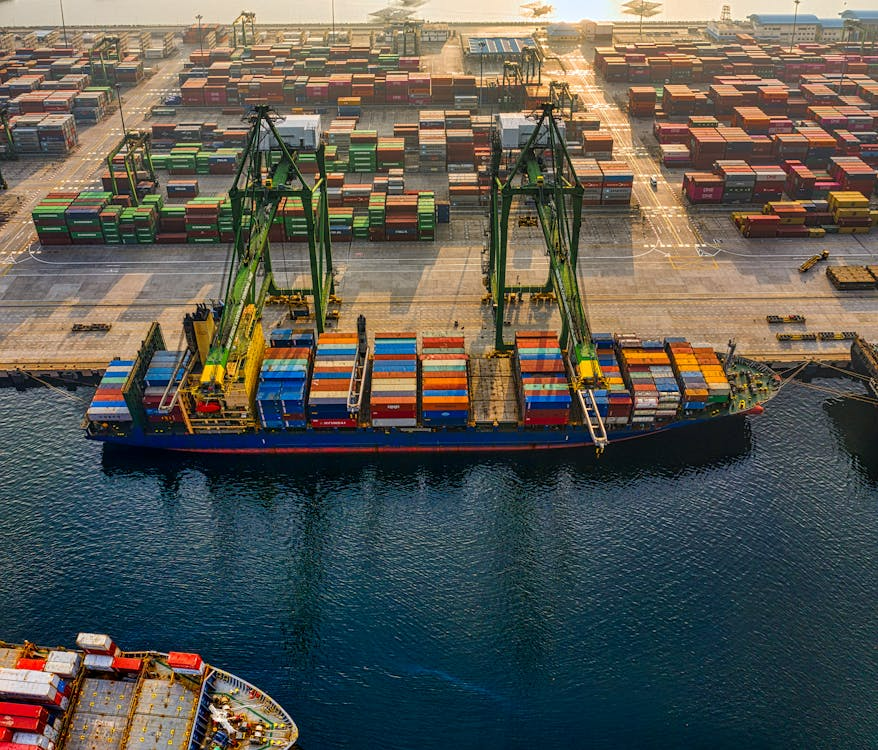
Port Houston's April container volumes took a hit, but is the much-touted May rebound a true indicator of recovery or just noise? We dig into the data.
Geopolitical winds are once again buffeting global shipping lanes. Container rates from Asia to the US are climbing, driven by a volatile mix of conflict and seasonal demand.
Ships are vanishing off AIS near the Strait of Hormuz, leaving a black hole of data and stuck vessels. Meanwhile, the container ship orderbook is ballooning. This smells like trouble.
Retailers are hitting the brakes on inventory replenishment, signaling a further slowdown in U.S. import demand. Escalating geopolitical tensions and economic jitters are forcing a more cautious approach.
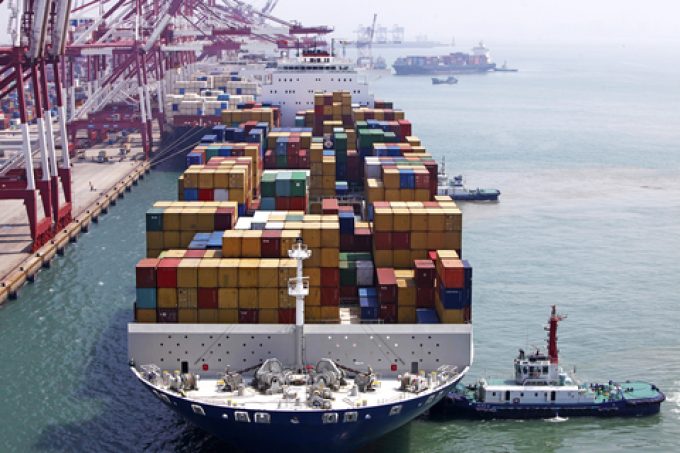
The global shipping world's anticipated peak season has officially evaporated, replaced by a stark reality of overcapacity and unsettling carrier strategies. China's ports are roaring, but the rest of the industry seems to be sputtering.
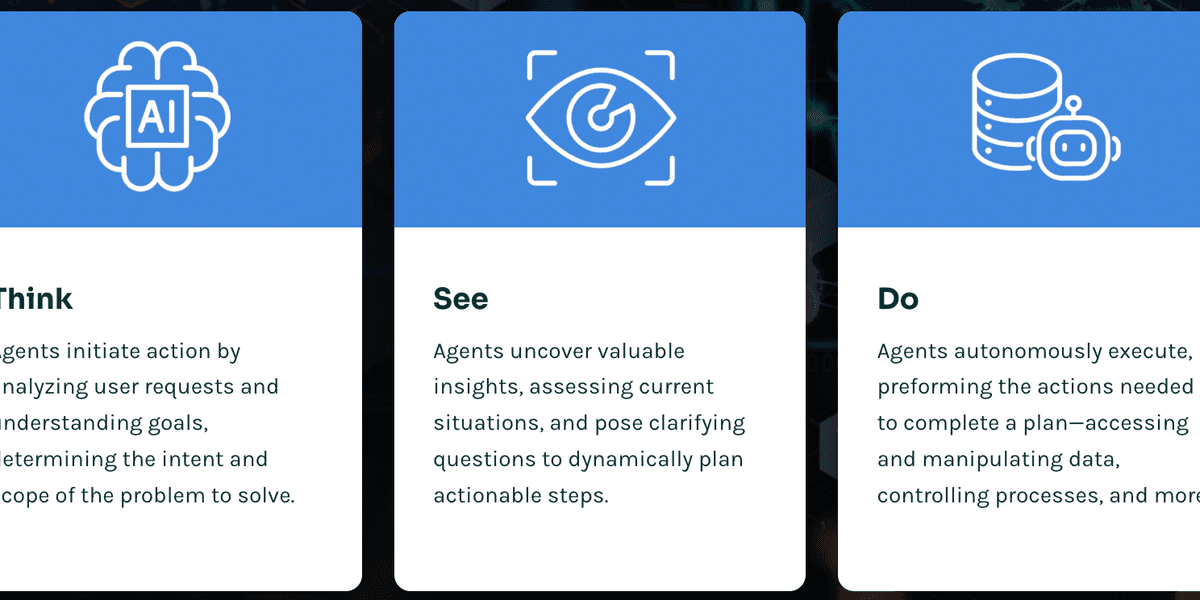
The buzz around AI agents is deafening, but Manhattan Associates is reminding us that for all its predictive power, AI still needs a human compass. It’s about intent, not just intelligence.
Forget seasonal inventory bumps. For logistics leaders, the real seasonal challenge is pest control. Peak seasons aren't just about demand; they're about vulnerabilities.
Forget the old way of dictating terms. Rolls-Royce is now architecting its supply chain from the ground up, proving that collaboration beats coercion.
The race to integrate AI in shipping isn't just about adoption, but the underlying foundation. Veson Nautical's report lays out five critical questions for executives.
The data center boom is sparking a logistics gold rush, but most providers are looking in the wrong places. It's not about moving boxes; it's about orchestrating chaos for the construction titans.
The U.S. Navy's blockade on Iranian shipping is tightening its grip, intercepting dozens of vessels. But it's not a perfect seal, and the ripples are already being felt in global oil markets.
The Port of Los Angeles just reported a massive 10% year-over-year jump in cargo volume for April, a truly eye-popping figure given the choppy global waters. Spring goods are flooding in, with back-to-school and holiday inventory already making waves.
The Federal Motor Carrier Safety Administration just flipped the switch on its new registration system. The fallout? Nearly half a million carriers are suddenly in limbo, and nobody seems to know who's picking up the tab.
Forget 'decoupling' doom and gloom. China's supply chain isn't just resilient; it's a roaring engine, leaving global rivals in its wake. Here's why.
The Maersk Center for Zero Carbon Shipping just shed 30% of its workforce. Is this a strategic pivot, or is the well running dry on green shipping ambitions?
James McNamara is retiring after 40 years shaping the International Longshoremen’s Association. His tenure witnessed and guided the monumental shifts brought by containerization.
Forget the usual suspects of blanked sailings; the real engine behind the latest freight rate surge is plain old demand. Carriers are flexing muscle as peak season kicks off.
U.S. ports face a critical $6.7 billion capital investment need for essential cargo equipment over the next five years. However, a cloud of uncertainty surrounding tariffs on Chinese-manufactured goods is directly hindering these crucial upgrades.
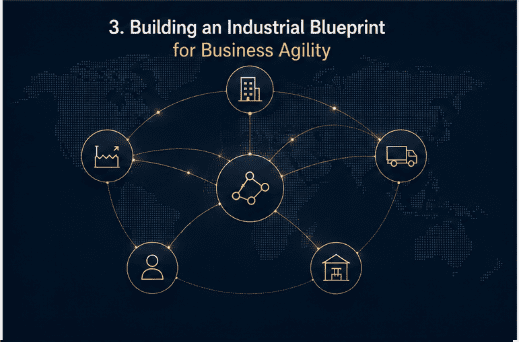
The future of supply chain isn't just coming; it's being built, line by digital line. Blue Yonder and NVIDIA are laying the groundwork for an 'autonomous supply chain' with their new model training factory. This isn't just an upgrade; it's a fundamental platform shift.