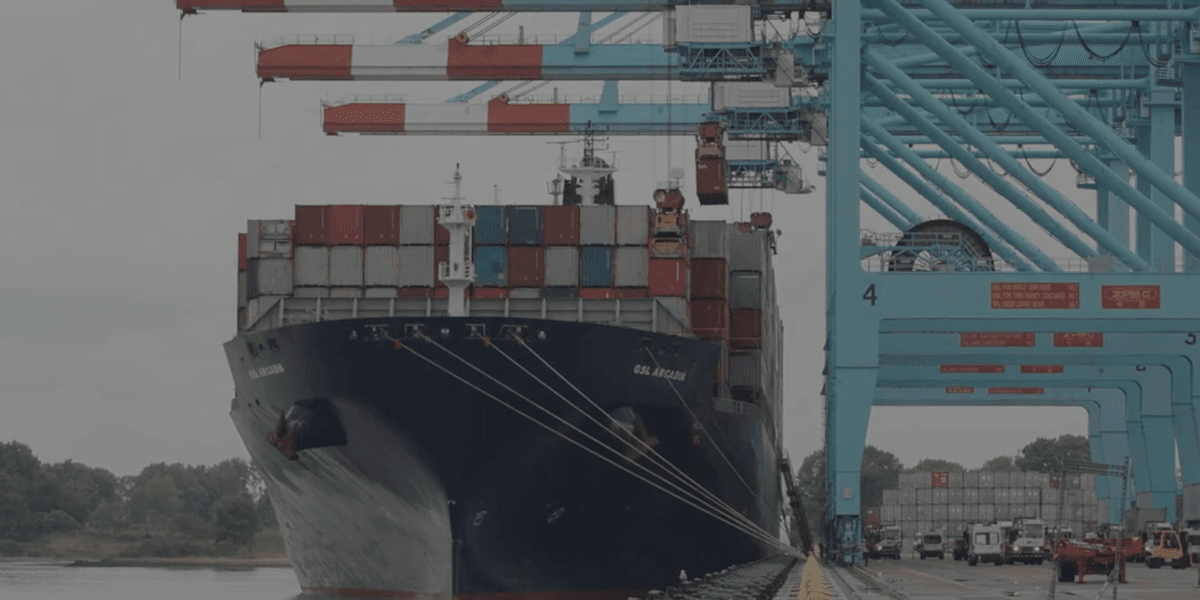
U.S. ports are staring down a massive $6.7 billion hole when it comes to necessary cargo equipment over the next half-decade. That’s the stark reality revealed in a survey of 25 senior port and terminal executives by the National Association of Waterfront Employers (NAWE). We’re talking about the backbone of our global competitiveness here — ship-to-shore cranes, yard equipment, the works. The data paints a clear picture: over 100 new or replacement ship-to-shore cranes alone are on the wish list, a clear signal that many facilities are struggling to keep pace with the ever-growing size of vessels calling on U.S. shores.
The breakdown of that $6.7 billion figure is telling: $2.74 billion earmarked for new ship-to-shore cranes, another $2.4 billion for large yard cargo handling equipment and additional STS cranes, $917 million for rail-mounted yard equipment, and a not-insignificant $790 million set aside for repairs on existing gear. This isn’t just about shiny new toys; it’s about fundamental operational capacity.
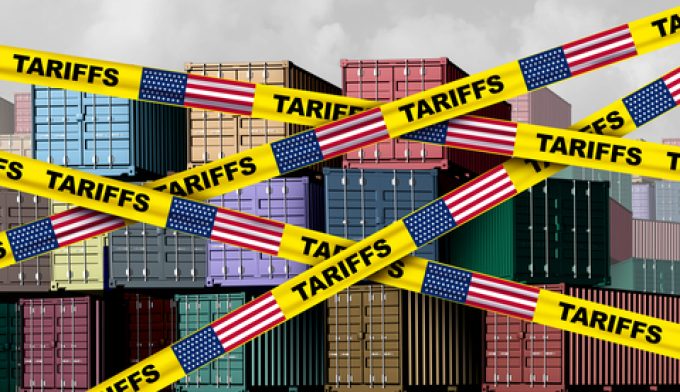
But here’s the rub. For all this pent-up demand and demonstrated need, ports are hitting the brakes. Why? Tariffs. Specifically, the lingering ambiguity surrounding the Trump Administration’s tariffs on material handling equipment, particularly from China.
The U.S. Trade Representative’s office is now formally in the crosshairs. NAWE has dispatched a letter to USTR Ambassador Jamieson Greer, and frankly, it’s a plea for sanity. These are the companies that collectively wrangle more than 90% of the nation’s containerized trade. They’re trying to plan for expenditures that can stretch over decades, and they’re being held hostage by tariff policy that seems to shift like sand.
The letter zeros in on the one-year pause on tariffs for Chinese-made STS cranes and large yard equipment. It’s not just a polite inquiry; it’s a demand for clarity on how this policy actually applies. Does it cover equipment already ordered? What about items in transit? What happens if parts are needed from China for equipment manufactured elsewhere? These aren’t abstract legal questions; they have direct, tangible consequences for port efficiency and, by extension, the entire U.S. supply chain.
And let’s not forget the elephant in the room: U.S. manufacturing capacity. NAWE wisely points out the gaping chasm between what the domestic industry can produce and what ports need right now. This gap means that any delay in procurement due to tariff confusion could easily cascade into significant operational backlogs.
“Having clarity on tariff policy is essential for terminal operators making long-term investment decisions in our nation’s ports,” NAWE President Carl Bentzel stated in a release. His words carry weight. The organization represents an industry grappling with massive capital deployment decisions, and uncertainty is the enemy of good investment.
This isn’t just about the cost of cranes; it’s about the cost of indecision. The $6.7 billion is a significant sum, but the real price might be measured in lost efficiency, delayed shipments, and a diminished global competitive standing. The Biden administration’s approach to trade policy has been a mixed bag, and this tariff situation at U.S. ports perfectly illustrates where a lack of consistent, clear direction can gum up the works. It smacks of the same kind of protectionist policies that can, ironically, end up hurting domestic industries and consumers through higher costs and reduced availability.
My unique insight here? This isn’t a new problem. We’ve seen this play out before, with trade disputes acting as a drag on infrastructure investment. Think back to earlier periods of trade friction – the immediate impact is often the same: uncertainty, delayed decision-making, and ultimately, higher costs passed down the line. The difference now is the sheer scale of the equipment required and the interconnectedness of the global supply chain. A bottleneck at a port today doesn’t just affect local trucking; it ripples through global shipping schedules and consumer prices.
The demand for over 100 new STS cranes alone speaks volumes. These aren’t minor upgrades; they’re massive pieces of industrial machinery that take years to manufacture and install. Delaying orders because of tariff ambiguity is akin to a chef refusing to buy ingredients for a banquet because they’re unsure about the exact price of salt. It’s operational paralysis, and it’s baffling.
Ultimately, the onus is on Washington to provide that clarity. NAWE is right to push for it. Without a clear understanding of the tariff landscape, that $6.7 billion will likely sit in port authority bank accounts, earning minimal interest, while efficiency erodes and global competitors surge ahead. It’s a classic case of self-inflicted wound in the name of trade policy.
Is This Just Another Tariff Debate?
No, it’s far more consequential. While tariffs on consumer goods grab headlines, the impact of tariffs on industrial equipment is a direct attack on the infrastructure that supports all trade. For ports, these aren’t just costs; they are investments in capacity and future throughput. The confusion over how tariffs apply to these massive capital expenditures, especially when U.S. manufacturing capacity is insufficient, creates a Catch-22 that directly impacts national economic competitiveness. It’s a strategic issue, not just a tactical trade dispute.
Why Does This Matter for Supply Chain Efficiency?
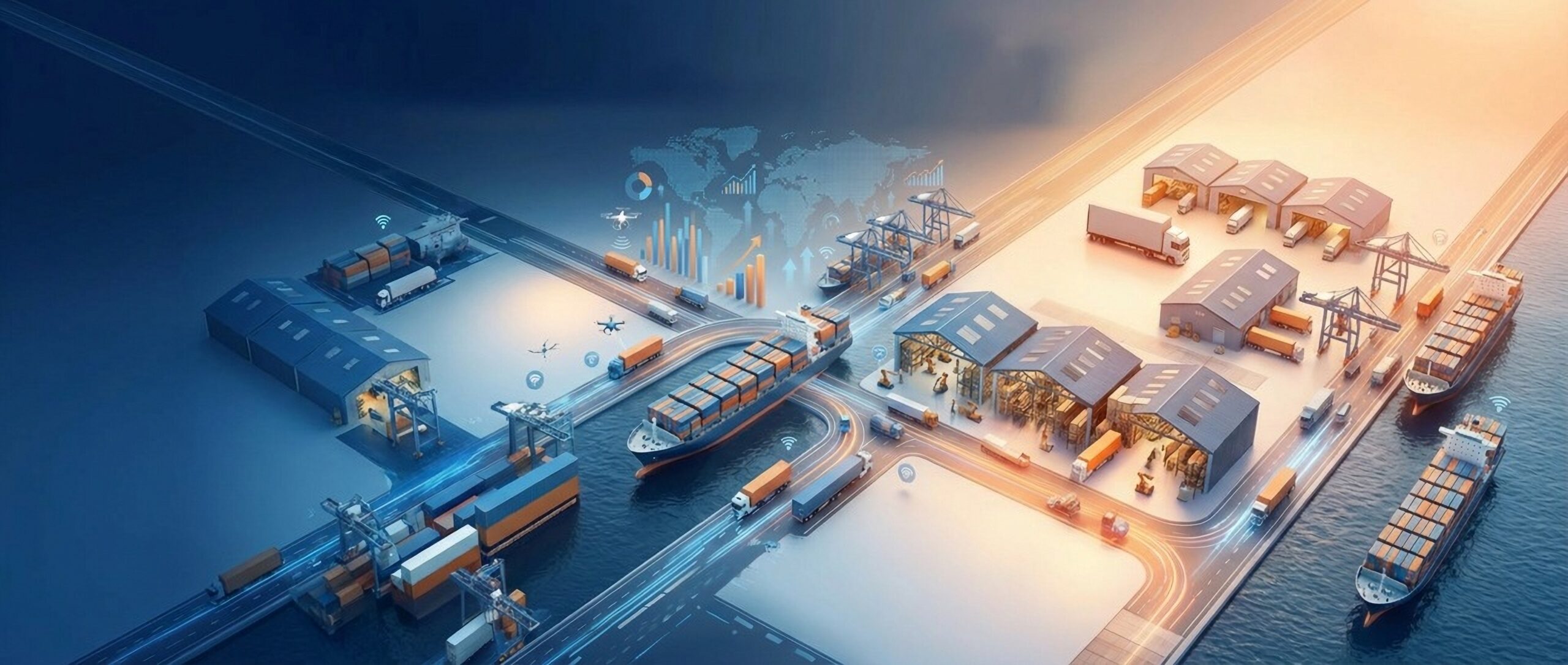
Cargo handling equipment, particularly ship-to-shore cranes and yard equipment, is the engine of port operations. When this equipment is aging, insufficient, or delayed due to policy uncertainty, it creates bottlenecks. These bottlenecks translate directly into longer vessel turnaround times, increased demurrage fees, and delays in goods reaching their destinations. In a global economy where speed and reliability are paramount, anything that hinders port efficiency has a cascading negative effect across the entire supply chain, impacting everything from manufacturing schedules to retail inventory levels.
“Uncertainty risks delaying projects that are vital to maintaining the efficiency of the U.S. supply chain.”
🧬 Related Insights
- Read more: IMF Warns: War Darkens Global Economic Outlook [Key Impacts]
- Read more: Ahlsell Expands Malmö Hub: 5,000 sqm Lease Boosts Last-Mile
Frequently Asked Questions
What is the total estimated spending needed for cargo equipment at U.S. ports? U.S. ports require an estimated $6.7 billion in cargo equipment investment over the next five years.
What is causing the delay in port equipment upgrades? Tariff uncertainty, particularly regarding Chinese-manufactured equipment, is a primary reason cited by port leaders for potential delays in these critical investments.
How many new ship-to-shore cranes do ports need? According to the survey, there is a demand for more than 100 new or replacement ship-to-shore cranes.