Blockade tightens.
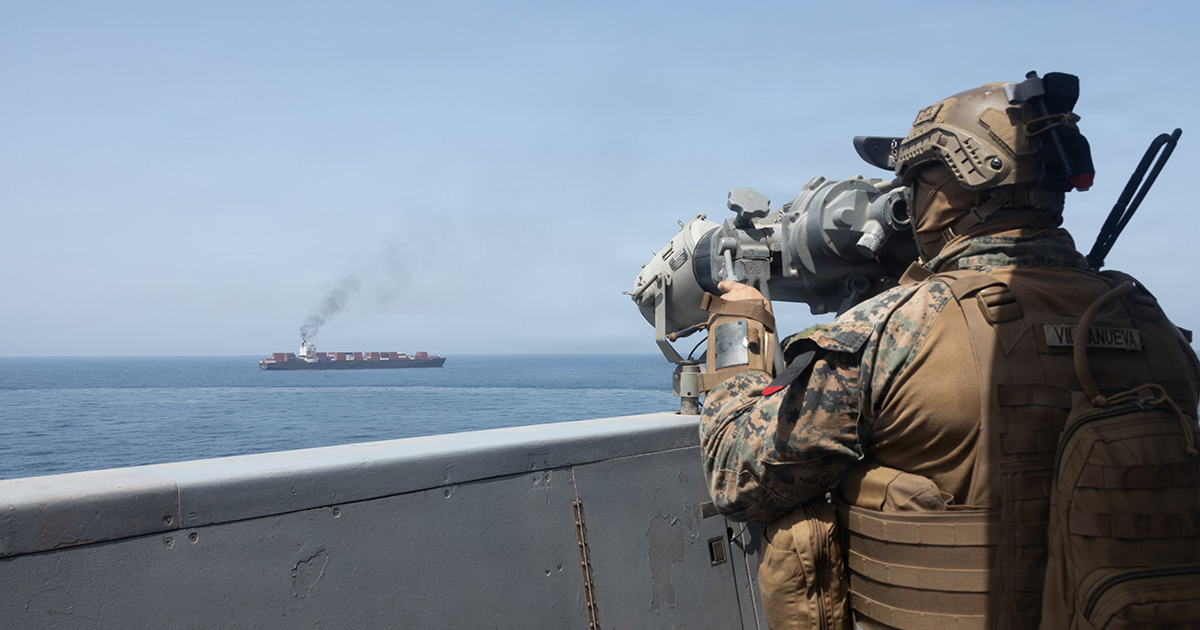
Look, it’s another Tuesday in the Middle East, and the U.S. Navy’s decided it’s time to play hardball with Iranian oil shipments again. This whole song and dance, dubbed a “blockade” by the brass, has been going on since April, and surprise, surprise—it’s still a thing. TankerTrackers.com, a group that apparently has eyes on everything that floats and burns oil, tells The Maritime Executive that while the Navy’s been busy turning back 81 vessels and outright snagging four, a few of those empty tankers are still managing to ghost through the Gulf of Oman. Why? Because apparently, even Uncle Sam’s formidable fleet can’t catch every single bathtub on the sea.
This whole maneuver, according to the official line, is all about squeezing Iran’s wallet until it coughs up compliance on nuclear talks. Standard procedure, really. But the devil, as always, is in the details—or in this case, the missing Iranian crude. The blockade’s mostly nailing the loaded tankers heading out and the empty ones coming back west, but the report points out a trio of sanctioned tankers in ballast that apparently just waved and kept on going through the Strait of Hormuz. That’s nearly two million barrels of potential oil Iran could have sold, enough to keep its pumping machines humming for an extra day. Every day delayed is another nail in the coffin of production shut-ins, so they say.
And then there’s the Russian-flagged product tanker, a real mystery ship, according to the data. This thing’s apparently been zipping back and forth across the blockade line like it’s playing tag, no obvious commercial reason. You have to wonder who’s paying for that kind of performance art at sea. It certainly smells less like a blockade and more like a carefully managed, or perhaps not-so-carefully managed, cat-and-mouse game.
“At least six empty tankers remain moored near Kharg Island awaiting loading, not including vessels at other locations,” the firm noted. However, the island’s terminals have not seen any laden crude tanker departures for six days.
Down at Kharg Island, where the crude is supposed to flow like water, there are still six empty tankers bobbing around, reportedly waiting for their turn. But here’s the kicker: for six days straight, not a single loaded crude tanker has managed to pull away from the terminal. It’s not just the blockade, though. Earlier this month, some sort of spill—officials are pointing fingers at a tanker dumping waste, while the terminal operators are denying any leaks from their end—seems to have put a damper on things. So, even if the Navy weren’t playing ferry inspector, Iran’s own mess seems to be doing some of the heavy lifting.
Why Does This Matter for Global Oil Prices?
Iran’s own antics—and now, apparently, its maritime traffic—continue to add pressure to global oil supplies. It’s a beautiful feedback loop: sanctions and blockades restrict supply, spills disrupt operations, and suddenly Iraq, a country that was moving tens of millions of barrels just last month, is suddenly exporting a piddly 10 million. When the supply starts looking thinner than a supermodel’s diet plan, and peace talks are going nowhere faster than a snail in molasses, guess what happens? Oil prices, naturally, decide it’s time to climb. Brent crude, that benchmark of all things oily and expensive, has already perked up, brushing past $110 a barrel. So, who’s making out like a bandit here? It’s rarely the folks filling up their minivans.
My unique insight? This isn’t just about sanctions or oil. It’s about signaling. Every intercepted tanker, every delayed shipment, is a message. To Iran, obviously. But also to allies, rivals, and frankly, to the global markets that are always sniffing for the next disruption. The U.S. Navy flexing its muscles in the Gulf isn’t just about military might; it’s a calculated economic chess move. And right now, the pawns are tankers, and the king is a barrel of oil, pushing ever higher. The real question isn’t if prices will rise, but how much they’ll keep rising before someone blinks. And my money is on the consumers blinking first.
🧬 Related Insights
- Read more: Magaya Momentum: AI and Volatility Reshape Freight Forwarding
- Read more: El Niño Looms Over Panama Canal, Supercharging US Resins Exports
Frequently Asked Questions
What exactly is the U.S. Navy blockade on Iranian shipping?
The U.S. Navy has implemented measures, including patrols and interceptions, in the Gulf of Oman and surrounding waters to prevent Iranian oil tankers from departing with cargo, aiming to exert economic pressure on Iran and encourage resumed negotiations.
How effective has the blockade been?
The blockade has been largely effective in stopping laden Iranian tankers from leaving and mostly blocking empty ones traveling westbound. However, some sanctioned vessels have still managed to pass the blockade line.
Will this impact global oil prices?
Yes, by restricting Iranian oil exports and potentially disrupting global supply chains, the blockade, combined with other factors like spills, contributes to upward pressure on oil prices, as seen with Brent crude exceeding $110 per barrel.