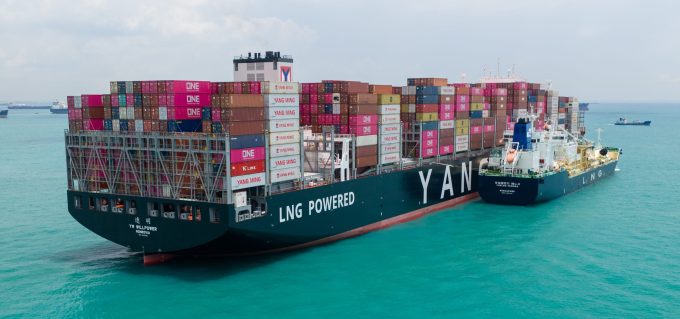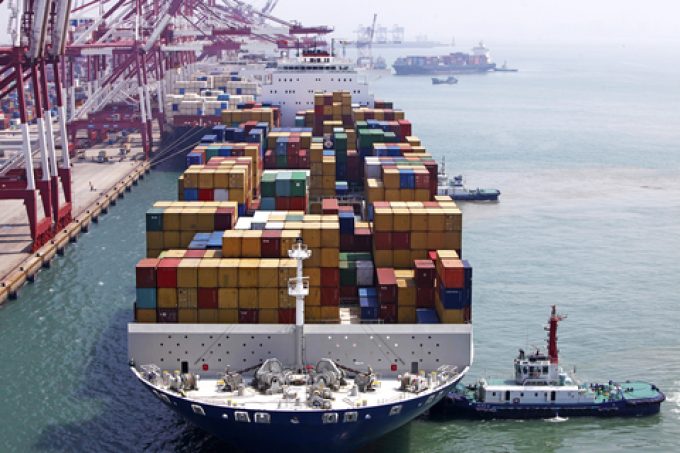
Forget peak season. That was the script everyone was working from, the predictable rhythm of global trade. But this year, or rather, this week in 2026, that script has been shredded. What we’re seeing isn’t a crescendo, it’s a whimper from traditional rivals while China’s ports apparently hit ‘full throttle’. This isn’t just a minor hiccup; it fundamentally alters the market dynamics everyone assumed were stable.
The implications for ocean freight are immediate and, frankly, alarming. We’re not talking about a slight dip in rates; we’re talking about a systemic shift. The disappearance of traditional peak season patterns suggests a structural change, not a cyclical blip. When major carriers start announcing contractions amid this environment, it signals a desperation or a calculated gamble that few saw coming. It’s a stark contrast to what was expected, painting a picture of a market under immense, perhaps unforeseen, pressure.
The China Factor: Driving the Current
This surge in Chinese port activity, while seemingly positive on its own, masks a more complex global picture. If China’s ports are indeed at maximum capacity, it implies a redirection of trade or an intensification of export activity that outstrips global absorption capabilities. The narrative of increasingly diverse supply chains for China is one thing; the resulting pressure on its maritime infrastructure is another entirely. This isn’t just about efficiency; it’s about the sheer volume of goods moving, and where they’re being sent.
The market’s rivals are described as ‘drifting along.’ This imagery speaks volumes. It suggests a lack of decisive action, a passive acceptance of a changing tide, while one major player is seemingly pushing ahead with full force. The question is: what’s fueling this disparity? Is it purely an internal Chinese strategy, or is it a reaction to external pressures like tariff-driven adaptations that are, as the podcast unpacks, actively reshaping global trade routes?
The disappearance of traditional peak season patterns.
This quote from the podcast highlights the core of the disruption. When foundational assumptions about trade seasonality crumble, the entire forecasting and operational apparatus of global logistics is thrown into disarray. This makes planning a nightmare and opens the door to significant operational and financial risks for companies that can’t adapt quickly enough.
Air Cargo: A Different Kind of Pressure Cooker
Shifting from the seas to the skies, the fallout from Middle East disruptions continues to ripple, and the AI boom is adding a peculiar pressure on air cargo. Helium shortages, a seemingly unrelated factor, compound the issue. While jet fuel fears may have eased, the elevated air rates themselves are a stark indicator of demand outstripping capacity, or at least, a market capitalizing on constrained supply.
This isn’t just about rerouting ships; it’s about a desperate scramble for alternative transport methods. The insatiable demand for AI infrastructure—servers, chips, the physical components of a digital revolution—requires rapid movement. Air cargo is the only viable option for such time-sensitive, high-value components. When you add geopolitical instability that forces longer, more costly sea routes, the airfreight capacity is being squeezed from both ends. This is the inflationary pressure at its rawest.
The Wildcards: Safety and Speculation
Amidst this complex web of supply chain pressures, safety allegations against cargo handler AGI at New York airports introduce another layer of uncertainty. While the specifics are still unfolding, any disruption at a major air cargo hub can have cascading effects. It’s a reminder that the physical infrastructure of logistics is as fragile as the market dynamics are volatile.
And then there’s the underlying financial play. The mention of RXO’s ‘rally mode’ and FDX’s ‘deal time’ suggests a market where corporate strategies are being dictated by current pressures. Whether this is prudent restructuring or opportunistic maneuvering remains to be seen, but it highlights the financial undercurrents dictating operational decisions. RXO rallying implies a market belief in its ability to navigate these choppy waters, while deal time for FDX could signal consolidation or strategic divestitures.
This entire landscape is a far cry from the predictable patterns of yesteryear. It’s a market defined by overcapacity in one sector and intense demand in another, all underscored by geopolitical tensions and emerging technological needs. The strategies that made sense a year ago are likely obsolete today. The question isn’t just how companies will adapt, but which ones will survive and thrive in this new, unpredictable reality.
🧬 Related Insights
- Read more: Trucking Crunch Pushes Shippers to Intermodal Lifeline
- Read more: Penske’s Doucette Nabs Top Logistics Award
Frequently Asked Questions
What does China’s ‘full throttle’ port activity mean for importers? It suggests a strong export market from China, potentially leading to more available capacity on outbound vessels. However, it also signals intense competition for limited import capacity into other regions and could indicate a broader imbalance in global trade flows.
How are AI demands impacting air cargo rates? The rapid deployment of AI infrastructure requires fast shipping of specialized hardware. This surge in demand, combined with existing disruptions and capacity constraints in air freight, is pushing rates upward significantly.
Why is there ‘overcapacity’ in ocean freight if China’s ports are busy? Overcapacity refers to the total global fleet of ships versus the total demand for shipping. Even if China’s ports are bustling with exports, the overall demand for global shipping services may still be lower than the available vessel capacity, especially if consumption in major importing regions is weak or trade routes are significantly altered.