IEEPA Tariffs Invalidated: $160B Refund Opportunity?
The Supreme Court just nuked IEEPA tariffs, potentially unlocking $160 billion in refunds. But who gets the cash, and what's the catch?
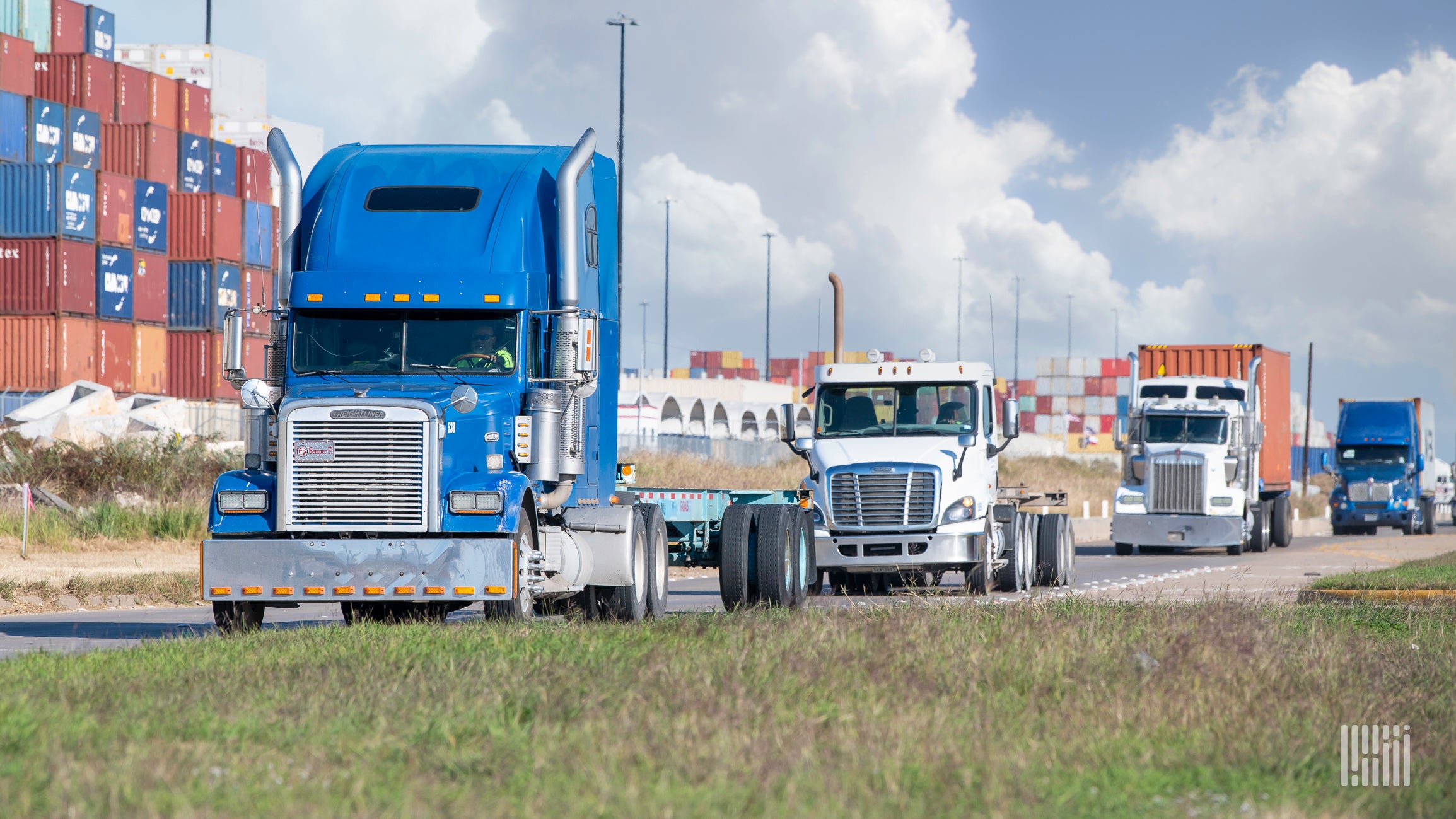
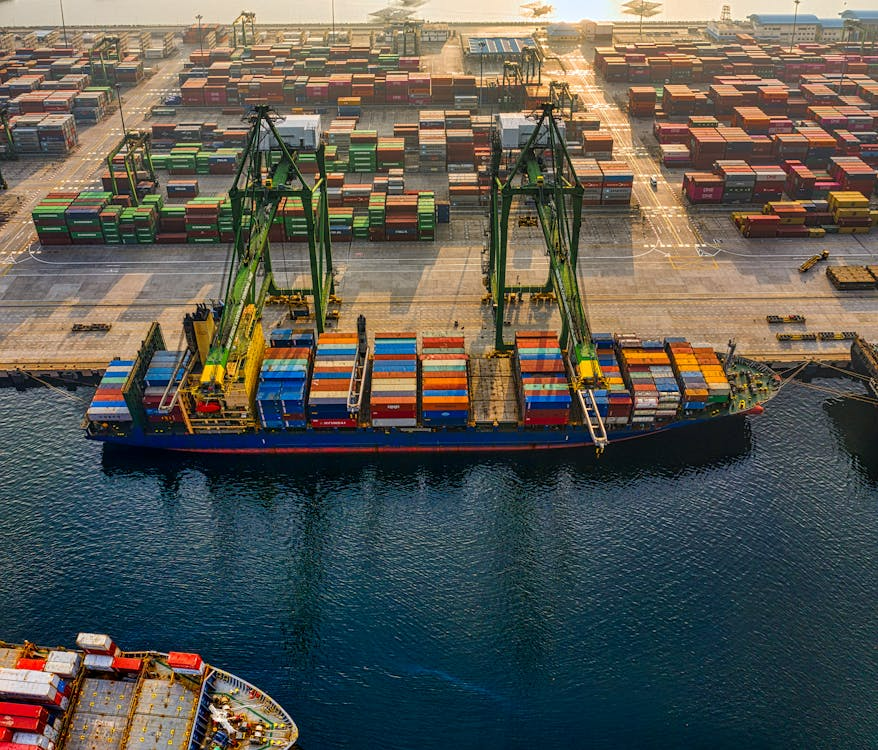
Port Houston's April container volumes took a hit, but is the much-touted May rebound a true indicator of recovery or just noise? We dig into the data.
Geopolitical winds are once again buffeting global shipping lanes. Container rates from Asia to the US are climbing, driven by a volatile mix of conflict and seasonal demand.
The International Maritime Organization just greenlit a global framework for autonomous ships. It's a 'landmark' moment, they say. But after two decades covering this stuff, I'm still waiting for the actual robots to sail themselves and make someone rich.
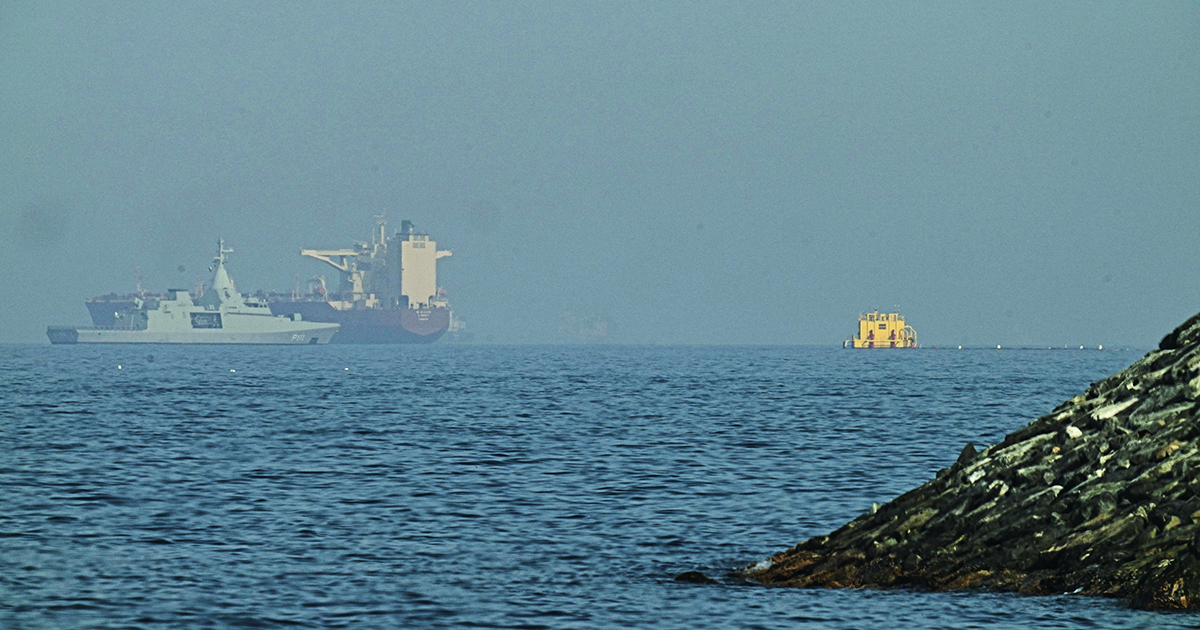
Washington and Beijing are suddenly singing from the same hymn sheet on the Strait of Hormuz. It’s a surprising, yet significant, alignment driven by Iran’s aggressive stance.
The Port of Los Angeles just reported a massive 10% year-over-year jump in cargo volume for April, a truly eye-popping figure given the choppy global waters. Spring goods are flooding in, with back-to-school and holiday inventory already making waves.
Forget 'decoupling' doom and gloom. China's supply chain isn't just resilient; it's a roaring engine, leaving global rivals in its wake. Here's why.
We're witnessing a seismic shift. AI is more than a trend; it's the dawn of a new technological era, fundamentally altering how businesses operate. This isn't your grandfather's automation.
Forget the old way of getting stuff from A to B. The direct-to-consumer revolution isn't just a trend; it's a seismic shift fundamentally altering the global trade infrastructure we all depend on.
Guangzhou is pushing forward with a massive $2 billion expansion at Nansha Port. This move signals a significant play for greater regional dominance and a boost to global shipping capacity.
Global supply chains are being stretched thin, and the U.S. is stepping up to fill the void. Record oil product exports are here, but at what cost to domestic consumers?
Tehran's establishment of a new agency to control shipping in the Strait of Hormuz is drawing sharp criticism. The move formalizes tolls and permits, risking significant disruptions to global commerce.