Hormuz Tolls: Unacceptable.
This isn’t just a diplomatic dance; it’s a market-moving declaration. When the United States and China, two economic titans with often opposing geopolitical agendas, publicly agree on a fundamental principle of international trade – that no nation can unilaterally impose tolls on a critical global chokepoint like the Strait of Hormuz – the implications are immediate and far-reaching. The U.S. State Department let slip that Secretary of State Marco Rubio and Chinese Foreign Minister Wang Yi had a frank discussion, a rare moment of accord that underscores the escalating crisis in the Persian Gulf and Iran’s increasingly disruptive actions. This isn’t about niceties; it’s about ensuring the lifeblood of global energy and goods flows unimpeded.
Iran’s Shutdown: A Reckless Gamble
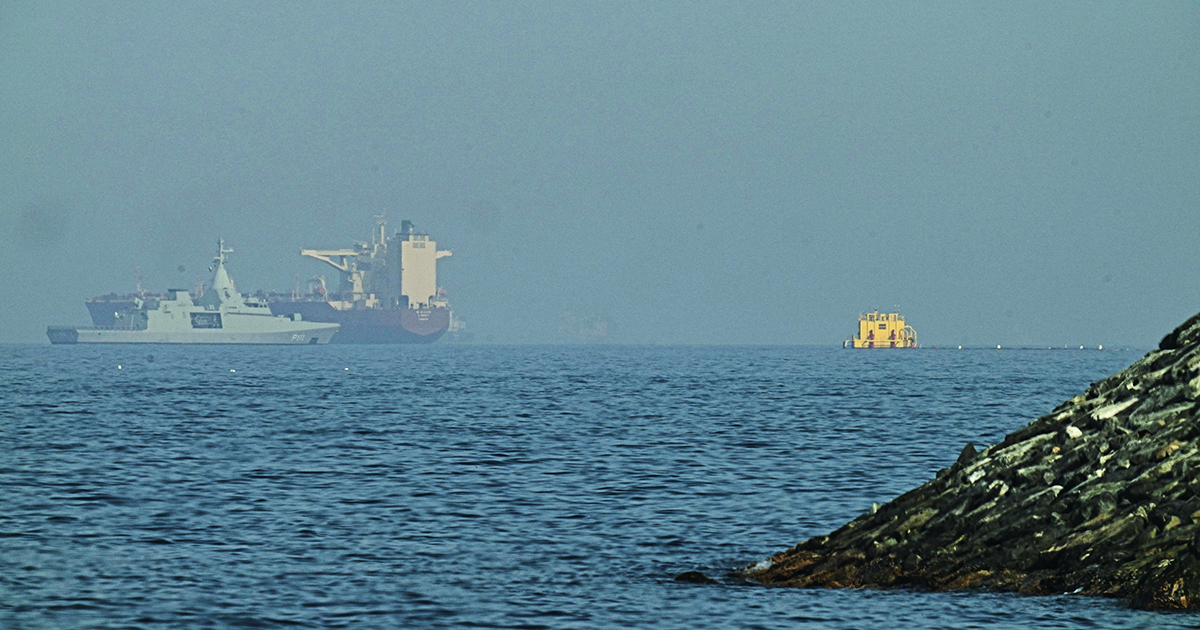
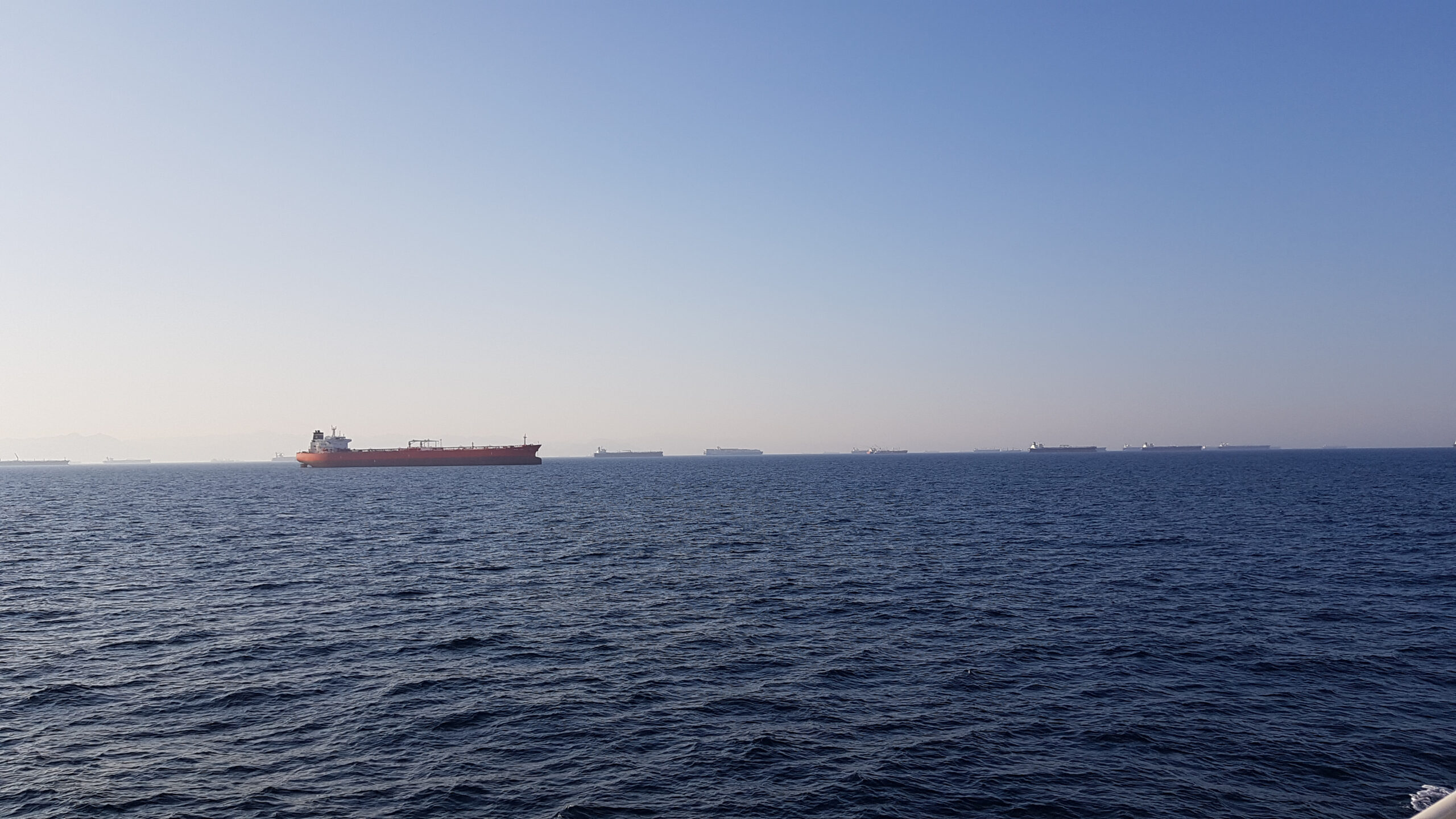
Iran’s near-total blockade of the Strait of Hormuz, following joint U.S.-Israeli airstrikes in late February, has sent shockwaves through global supply chains. For context, this vital artery handles approximately 20% of the world’s oil and gas shipments. Shutting it down is akin to holding the global economy hostage. State Department spokesperson Tommy Pigott laid it out plainly: “no country or organization can be allowed to charge tolls to pass through international waterways like the Strait of Hormuz.” This isn’t just a U.S. talking point; it’s a global economic imperative that China, dependent on energy imports, also finds deeply inconvenient and potentially damaging.
The Chinese Balancing Act
Beijing’s response, through its embassy spokesperson Liu Pengyu, was characteristically cautious but unambiguous: China supports efforts to restore normal shipping operations and sees secure, unrestricted navigation as being in the global community’s interest. But here’s the realpolitik: China remains one of Iran’s largest oil customers. This puts Beijing in a rather uncomfortable bind. Washington is leaning hard, quite effectively it seems, on China to use its considerable use over Tehran to de-escalate. The U.S. reportedly raised concerns about Chinese-linked vessels facing toll demands, a move designed to prod Beijing into applying more pressure on Iran. It’s a classic geopolitical squeeze play, and it appears to be working, at least on this specific issue.
Diplomacy Meets the UN Gauntlet
This isn’t just a bilateral chat. The dispute has spilled into the United Nations, where China recently vetoed a U.S.-backed resolution aimed at protecting commercial shipping in the Strait. Beijing’s stated reason? The resolution unfairly targeted Iran. Simultaneously, the U.S. and Bahrain have drafted another resolution condemning Iran’s activities and alleged illegal tolls. The expectation is that China and Russia will likely block this, too. It highlights the ongoing friction, but it doesn’t negate the core agreement on tolls. China wants stability, even if it’s playing a double game by supporting Iran’s sovereignty while privately balking at its disruptive tactics. Their instruction to Chinese firms to disregard U.S. sanctions on Iranian oil purchases, however, underscores the enduring geopolitical divides. They’ll protect their own economic interests, even if it means dancing with sanctions.
Why This Alignment Matters
Historically, the U.S. and China have often been on opposing sides of maritime security issues. This rare show of unity on the Strait of Hormuz isn’t about newfound friendship; it’s a pragmatic response to a shared threat to global economic stability. Iran’s actions have created a common enemy, forcing Beijing to weigh its strategic partnership with Tehran against the undeniable economic benefits of open sea lanes. It’s a high-stakes game of poker, and both Washington and Beijing seem to be signaling a united front against Iran’s increasingly aggressive posture. The implications for energy markets, global trade routes, and regional stability are immense. For now, the message is clear: Toll booths on the Strait of Hormuz will not be tolerated by the world’s two largest economies.
Is Iran’s Strait of Hormuz Strategy Sustainable?
Iran’s current strategy of attempting to control passage through the Strait of Hormuz by demanding transit fees and disrupting shipping is proving to be a diplomatic and economic non-starter on the international stage. While it has certainly grabbed global attention and caused significant market volatility, the increasing alignment between the U.S. and China on this issue suggests that Iran may find itself increasingly isolated. The economic repercussions of prolonged disruption, coupled with potential unified international pressure, could make this strategy unsustainable in the long run. The economic costs of Iran’s actions far outweigh any potential revenue from tolls, especially when facing the combined economic might of the U.S. and China.
What Does This Mean for Global Oil Prices?
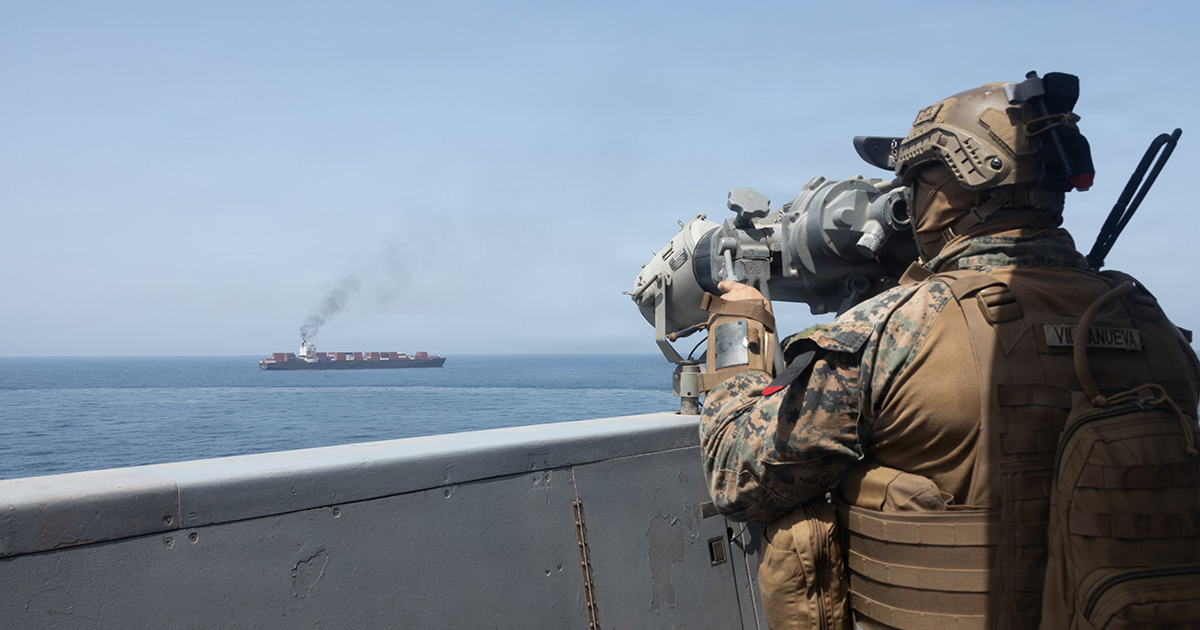
The immediate impact of Iran’s actions and the subsequent U.S. naval blockade has been significant upward pressure on oil prices. However, the rare U.S.-China agreement to push for toll-free passage suggests a shared interest in stabilizing the waterway. If this diplomatic pressure leads to Iran relenting or the blockade easing, we could see a reduction in crude oil prices. Conversely, any escalation or continued disruption will likely keep prices elevated, impacting consumers and industries globally. The market remains highly sensitive to developments in the Strait, and any perceived resolution or further instability will be keenly watched by traders and policymakers alike.
“no country or organization can be allowed to charge tolls to pass through international waterways like the Strait of Hormuz.”
The market dynamics here are critical. The sheer volume of oil and gas transiting the Strait means that any disruption creates immediate supply-side fears. This isn’t theoretical; it translates directly into higher prices at the pump and increased costs for manufacturers. The fact that both the U.S. and China, despite their broader trade war tensions, are prioritizing the free flow of goods through Hormuz speaks volumes about its indispensable role in the global economy. It’s a stark reminder that certain economic imperatives transcend even the most entrenched geopolitical rivalries.
The U.S. has been trying to cajole Beijing into playing a more constructive role in regional security, and this issue offers a prime opportunity for China to demonstrate it’s willing to act as a responsible global stakeholder, especially when its own economic interests are directly threatened. The Chinese stance, while seemingly supportive of Iran’s sovereignty in public UN forums, is demonstrably different when discussing actual toll demands impacting its own economy. This is not about moral outrage; it’s about economic self-preservation. The market will be watching to see if this alignment translates into tangible pressure on Tehran.
**
🧬 Related Insights
- Read more: USPS Peak Season: Tech Fixes Missed Targets [OIG Report]
- Read more: Supply Chain Management Explained: An End-to-End Guide
Frequently Asked Questions**
What is the Strait of Hormuz? The Strait of Hormuz is a narrow waterway connecting the Persian Gulf and the Gulf of Oman, serving as a critical transit point for approximately 20% of global oil and gas shipments.
Why are the U.S. and China concerned about tolls? Both nations, major consumers of energy, have a vested interest in ensuring unrestricted and safe passage through the Strait. Imposing tolls could disrupt global trade, increase energy prices, and create geopolitical instability.
Has Iran imposed tolls on the Strait of Hormuz? Reports indicate Iran has demanded the right to levy transit fees as part of conditions for ending its blockade of the strait, a move that has drawn international condemnation.