The way we used to get our hands on stuff—manufacturers churning out volume, selling to importers, who then fed distributors, who supplied retailers, who finally served us—had a beautiful, predictable rhythm. Global trade infrastructure grew up around that steady drumbeat: ports, freight networks, customs queues, and warehouses were all humming in sync to move mountains of goods through these established channels. It was a grand, interconnected machine.
And then, poof! A significant chunk of brands decided they didn’t need all those intermediaries. They’re now selling directly to you, me, and everyone online, snipping out the middlemen like a surgeon. This isn’t just a minor tweak; it’s a fundamental rewrite of how goods are sourced, how they leap across borders, and, crucially, what kind of trade infrastructure we actually need. For anyone in logistics, freight, or policymaking, the sheer magnitude of this transformation is mind-boggling.
The Rise of the Direct Sourcing Maverick
Traditionally, getting your hands on good ingredients meant going through a tangle of importers and procurement folks. DTC brands that want to compete on sheer quality? They’ve had to become sourcing ninjas themselves.
Take Performance Lab, a supplements company that lives and breathes through its website. Instead of grabbing off-the-shelf ingredients from some giant distributor, they’re forging direct bonds with global nutrition tech partners. They’re talking proprietary inputs, like nutrients grown in fancy controlled botanical environments and algae-derived omega-3s that sidestep the usual fish oil circus. Then, the finished goods? They rocket straight to customers, whether you’re in Des Moines or Dublin. This level of procurement sophistication used to be the exclusive playground of manufacturing behemoths. Now, as more DTC brands embrace this direct approach, we’re seeing a surging demand for freight, customs, and compliance support that can handle international ingredient procurement in smaller, more agile volumes.
Last Mile: The New Bottleneck Battleground
The final leg of any delivery—the infamous last mile—has always been where the real cost and headaches hide. In the old retail model, that burden was distributed. A store served dozens, hundreds of customers from one spot. Now, with brands shipping directly to each individual buyer, they absorb that entire last-mile cost for every single order.
For a brand, this means a relentless grind for fulfillment efficiency, tricky carrier negotiations, and constantly second-guessing where to stash inventory. Across the entire logistics network, the sheer volume of direct parcel deliveries is straining urban distribution centers that were never built for this onslaught. It’s fueling more frequent residential drop-offs and pushing investment into last-mile tech at a breakneck pace. Carriers and third-party logistics providers who can offer DTC brands reliable, reasonably priced last-mile service? They’re sitting pretty right now.
Cutting the Cord on Traditional Warehousing
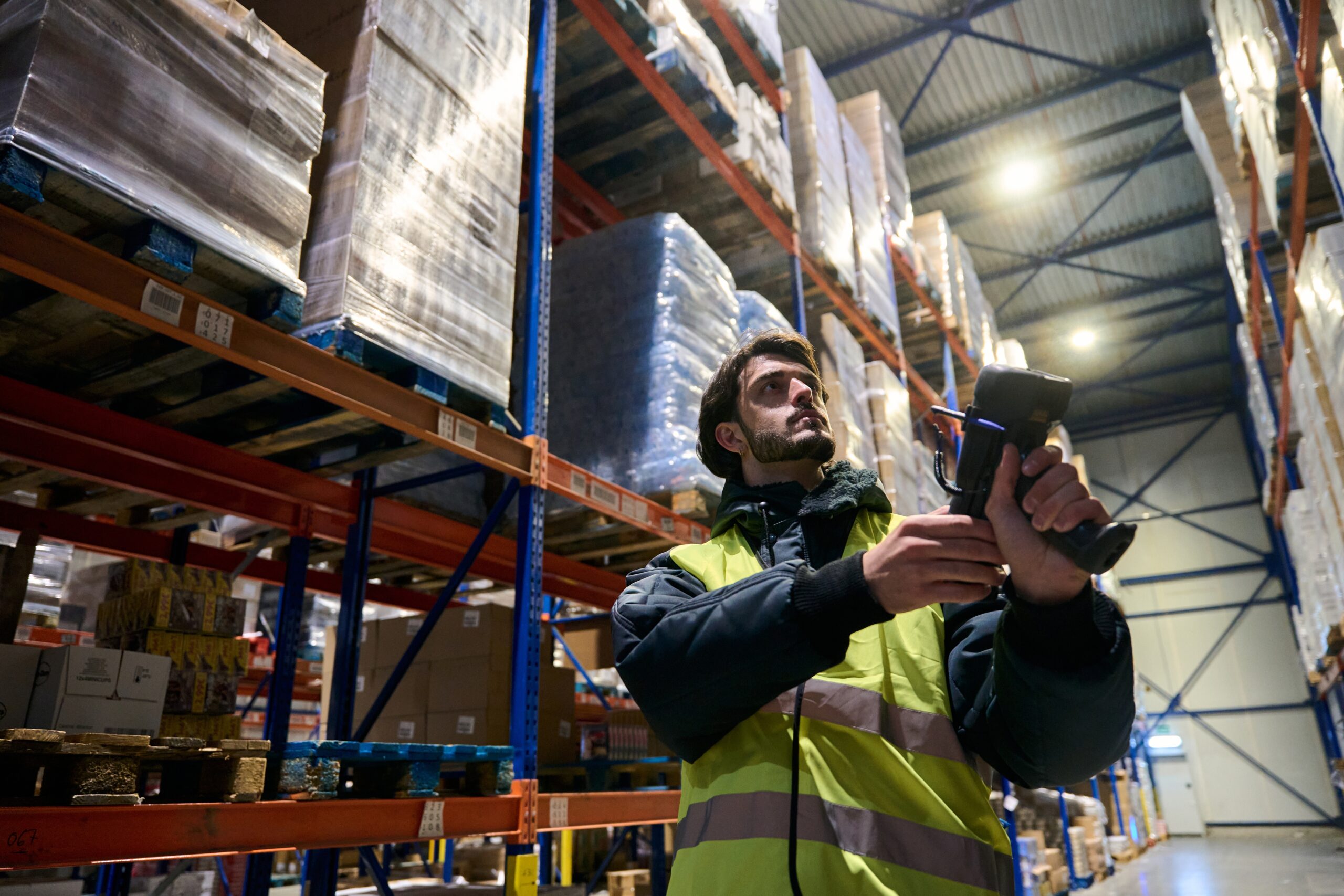
Think about the classic retail supply chain: manufacturers ship in bulk to distributors, distributors ferry it to retail stores, and retailers manage the customer interaction. Each step relies on established freight and warehousing infrastructure specifically designed for it.
DTC brands are hitting the eject button on most of those handoffs. The product zips from a fulfillment center straight to an individual buyer—often across international lines. The sheer volume of individual cross-border parcels this generates dwarfs the equivalent bulk freight movement.
IceCartel, a jewelry brand built around moissanite, ships directly to over a million customers worldwide. Moissanite, a lab-grown marvel, comes from an international supply chain completely detached from the traditional diamond world. Every single order is packed and shipped individually. No wholesale, no retail, just pure, direct delivery.
The practical fallout for trade infrastructure is stark. Customs systems, honed over decades for bulk commercial shipments, are now drowning in a deluge of individual parcels. Freight carriers are scrambling to reconfigure their networks to handle this surge in international last-mile volume. Suddenly, the economics of cross-border fulfillment tilt dramatically in favor of brands with sharp logistics partnerships, leaving those clinging to old distribution models in the dust.
The Customs Maze: A Growing DTC Headache
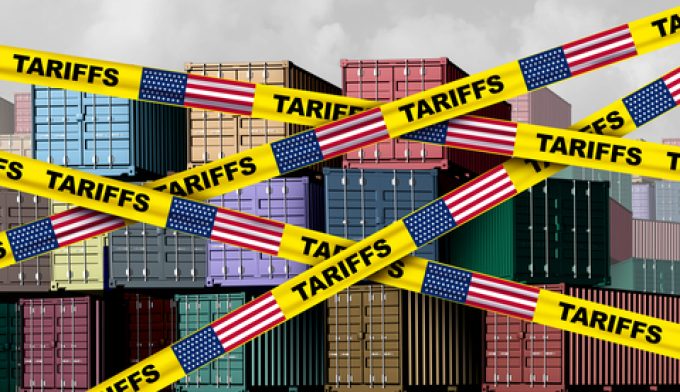
Bulk commercial imports have historically navigated customs with processes so refined they’re practically poetry—or at least, a well-oiled machine. A container hits the port, a customs broker wrangles the paperwork, duties are settled, and the goods flow into the distribution network. It’s a system built for predictable freight patterns.
But when you flood that same system with millions of individual parcels, each needing its own scrutiny, declaration, and duty assessment? It’s like trying to reroute a river through a garden hose. The existing customs infrastructure, designed for large, infrequent shipments, is buckling under the sheer velocity and number of individual cross-border transactions.
Why Is This Global Trade Shift Happening Now?
The underlying engines of this transformation have been revving for years. E-commerce platforms democratized selling. Advanced logistics capabilities, once the exclusive domain of giants, are now accessible to smaller players. And perhaps most importantly, consumer expectations have shifted dramatically; people want unique products, delivered fast, and they’re willing to bypass traditional retail to get them. This convergence has created the perfect storm for DTC brands to flourish and, in turn, to reshape the very arteries of global trade.
This isn’t just about convenience; it’s a fundamental re-engineering of how value moves around the planet. The old infrastructure, built for economies of scale and predictable bulk flows, is being challenged by a new paradigm driven by personalization, speed, and direct customer relationships. The implications for ports, border crossings, and warehousing facilities are enormous. We’re watching a global infrastructure reset unfold in real-time, driven by the demands of the connected consumer.
“The scale of that shift is worth examining closely.”
Indeed, it is. The shift isn’t a ripple; it’s a tidal wave. Traditional logistics providers and policymakers who fail to grasp the depth of this change risk being swept away. The future of global trade isn’t just about moving more stuff; it’s about moving it differently, faster, and directly to the end user, demanding a whole new infrastructure to match.
The Future: A More Distributed, Agile Trade Network?
What does this all point toward? A global trade landscape that’s less about massive, centralized hubs and more about a distributed network of agile fulfillment points. Think micro-fulfillment centers closer to end consumers, leveraging AI for predictive inventory management, and customs processes that can handle a torrent of individual shipments with unprecedented speed.
It’s a future where brands build their own bespoke supply chains, unburdened by the legacy constraints of wholesale and retail. This will necessitate a massive investment in technology—from advanced tracking and tracing that offers real-time visibility of individual parcels to AI-driven route optimization that accounts for a dizzying array of delivery points. The physical infrastructure—ports, roads, and air cargo—will still be vital, but its role will evolve, supporting a more fragmented and dynamic flow of goods.
This is more than just a trend; it’s a fundamental reimagining of global commerce. And it’s happening right now.
🧬 Related Insights
- Read more: Fuel Surcharges Ignite US Freight Rates – Carriers Cash In, Shippers Sweat
- Read more: Midcycle Redistricting Ban? Kiley’s Petition Faces Jeffries’ Freeze
Frequently Asked Questions
What does direct-to-consumer (DTC) mean for global trade? DTC means brands ship directly to customers, cutting out intermediaries. This increases parcel volumes, puts pressure on last-mile delivery, and requires customs and logistics infrastructure to handle many small, individual cross-border shipments instead of fewer, larger bulk shipments.
Will traditional trade infrastructure become obsolete? Not entirely, but it must adapt. Ports and freight networks will still handle bulk goods, but the overall system will need to accommodate a significant increase in direct-to-consumer parcel flows. This requires greater flexibility, speed, and the integration of digital technologies.
How does DTC impact customs and compliance? It significantly complicates customs processes. Instead of processing a few large commercial shipments, customs authorities must now manage millions of individual parcel declarations, increasing processing times and the need for automated systems.