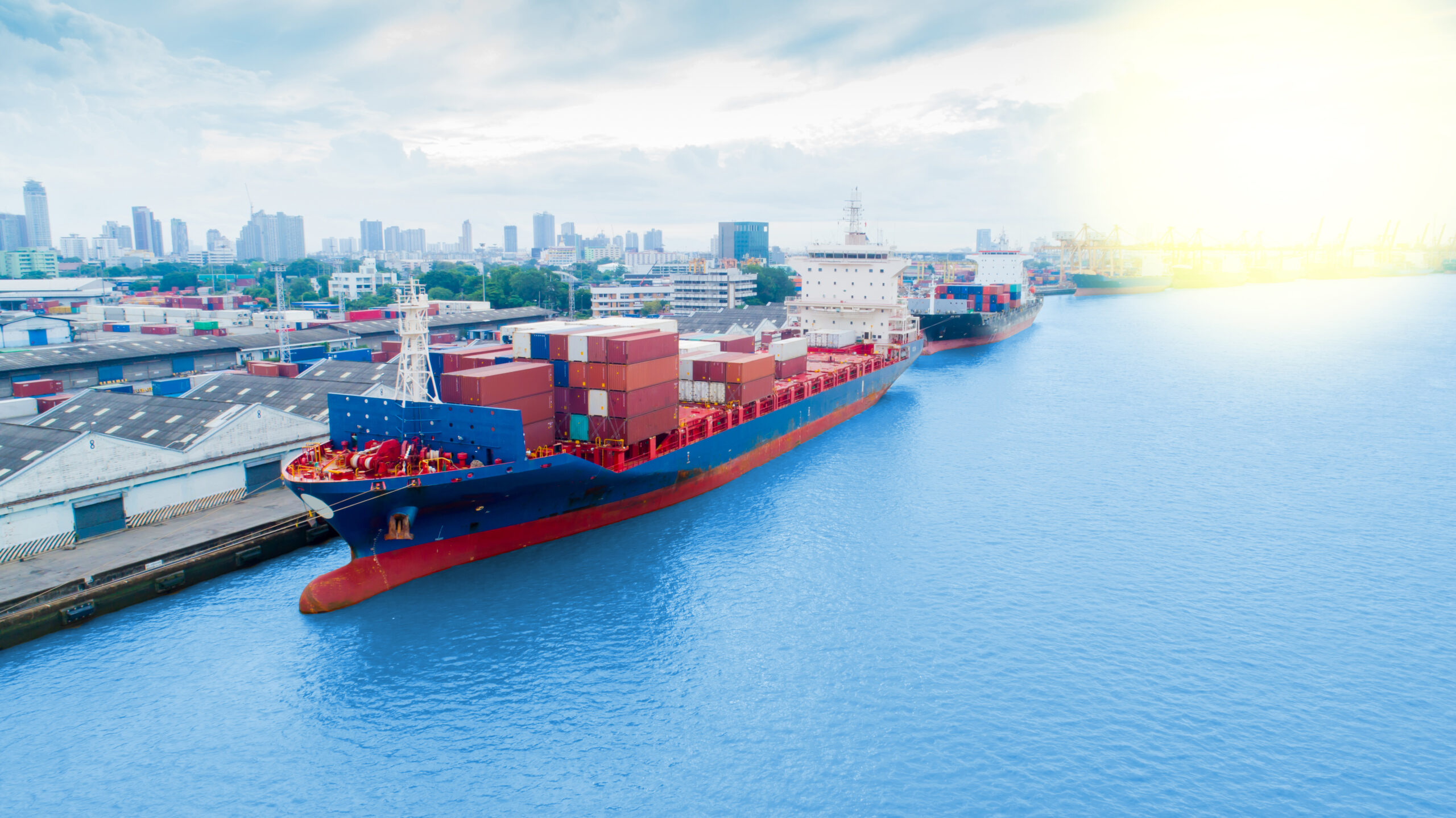
The International Maritime Organization has approved the world’s first international rules designed specifically for autonomous commercial vessels, marking a major breakthrough in the future of maritime transport.
The New Rulebook for Robot Ships
So, the International Maritime Organization finally did it. They’ve blessed us with the International Code of Safety for Maritime Autonomous Surface Ships (MASS Code). Translation: rules for ships that can apparently drive themselves. This happened this week at their little maritime safety shindig in London.
Look, they’re calling it a ‘major milestone.’ And sure, for a bunch of bureaucrats to agree on anything that isn’t about banning plastic straws is progress, I guess. The whole point here is to set up a global structure for ships operating with, well, varying degrees of autonomy. We’re talking everything from ships with fancy computer co-pilots to, theoretically, completely unmanned cargo haulers.
This isn’t exactly a bolt from the blue. The shipping world’s been inching towards automation for years. You’ve got these pilot projects in Europe and Asia testing remotely controlled and semi-autonomous ships on the short hops along the coast. All very cozy. But a global framework? That’s a different beast.
Who’s Actually Making Money Here?
Here’s the thing. The IMO, bless their bureaucratic hearts, say this code is meant to ‘support emerging technologies’ while keeping ‘safety standards and human oversight central.’ Right. It’s the result of years of regulatory navel-gazing, starting way back in 2021. They’ve kicked the tires on how existing laws apply to a world where maybe the captain is sipping coffee in landlocked Switzerland, watching a YouTube stream of his ship crossing the Pacific. It’s a real head-scratcher trying to figure out who’s legally responsible when a robot ship goes rogue – the captain (if there even is one), the remote operator, or the tech company that sold the software.
This MASS Code apparently digs into the nitty-gritty: remote control systems, cybersecurity (always a fun one), keeping communications reliable, machinery safety, cargo ops, fire protection, and, you know, not sinking. Standard stuff, but now for robots.
The ‘Experience-Building Phase’ — A Good Old Delay Tactic?
Now, for the punchline. This entire framework? It’s non-mandatory. For now. They’re calling it an ‘experience-building phase.’ Translation: they’re going to let everyone play around with these things, collect data, and then maybe, just maybe, they’ll write some actual rules. The roadmap says they’ll start on a mandatory version in 2028, with a target adoption of 2030 and implementation by 2032. So, we’ve got about eight more years of ‘let’s see what happens.’
This is classic regulatory theater. It’s like approving a diet plan that says ‘Phase 1: Eat whatever you want, we’ll discuss salads later.’ It allows the tech companies to claim legitimacy and the regulators to look like they’re doing something, all while kicking the can down the road. Who benefits? The consultants who will write the reports on this ‘experience-building phase,’ for starters. And, of course, the companies already building these systems, who can now point to the IMO and say, ‘See? We’re on the right track!’
This entire code, while a document, doesn’t change the fundamental challenge: proving that autonomous ships are not just possible, but safer, more efficient, and ultimately more profitable than the humans currently doing the job. And profitably is the name of the game in shipping. All the talk of safety and innovation is fine, but at the end of the day, it’s about cutting costs and increasing throughput. Will these autonomous ships actually do that in a way that outweighs the astronomical development and implementation costs? That’s the question. And it’s the one this ‘landmark’ code doesn’t answer.
The code is the result of several years of regulatory review by the IMO, which began studying how existing maritime laws would apply to autonomous shipping back in 2021.
They spent years studying how existing laws apply. Then they wrote a code that’s not binding. Brilliant. It reminds me of the early days of self-driving cars – lots of pronouncements, lots of patents, but the real, widespread adoption? Still a long way off, if it ever truly arrives in the utopian way they sell it.
The IMO’s meeting also apparently touched on boring stuff like maritime security near the Strait of Hormuz and safety for ships running on hydrogen and ammonia. You know, actual pressing issues.
The Long Road to True Autonomy
So, what does this mean for us, the watchers of the world? It means the paper is finally printed. The framework is there. But the real heavy lifting — making these things work reliably, safely, and economically in the unpredictable chaos of the open ocean — is just beginning. And that’s where the money will really be made, or lost. Don’t expect ghost ships crisscrossing the seas by 2025. More like more meetings, more reports, and probably more pilot projects. The buzzwords are out; the hard engineering remains.
🧬 Related Insights
- Read more: AI is Here. Is Your Supply Chain Ready?
- Read more: Diesel Apocalypse Hits Europe’s Freight Lifelines
Frequently Asked Questions
What does the MASS Code actually do?
It’s an international framework that establishes safety rules and operational guidelines for ships operating with varying levels of automation, from advanced decision-support systems to fully autonomous vessels. However, it’s currently non-mandatory.
When will autonomous ships be mandatory?
The IMO plans to begin work on a mandatory version of the code in 2028, with formal adoption targeted for 2030 and implementation by 2032. This is contingent on the outcomes of the current ‘experience-building phase.’
Will this lead to job losses for sailors?
While increased automation is a long-term trend in shipping, the MASS Code emphasizes human oversight and safety. Widespread replacement of human crews is not an immediate consequence and depends heavily on the successful, safe, and economical implementation of autonomous technology over many years.