Record exports. That’s the headline. The U.S. is shipping out more oil products than ever before. Why? Because the world’s thirsty for fuel, and the usual suspects are… indisposed.
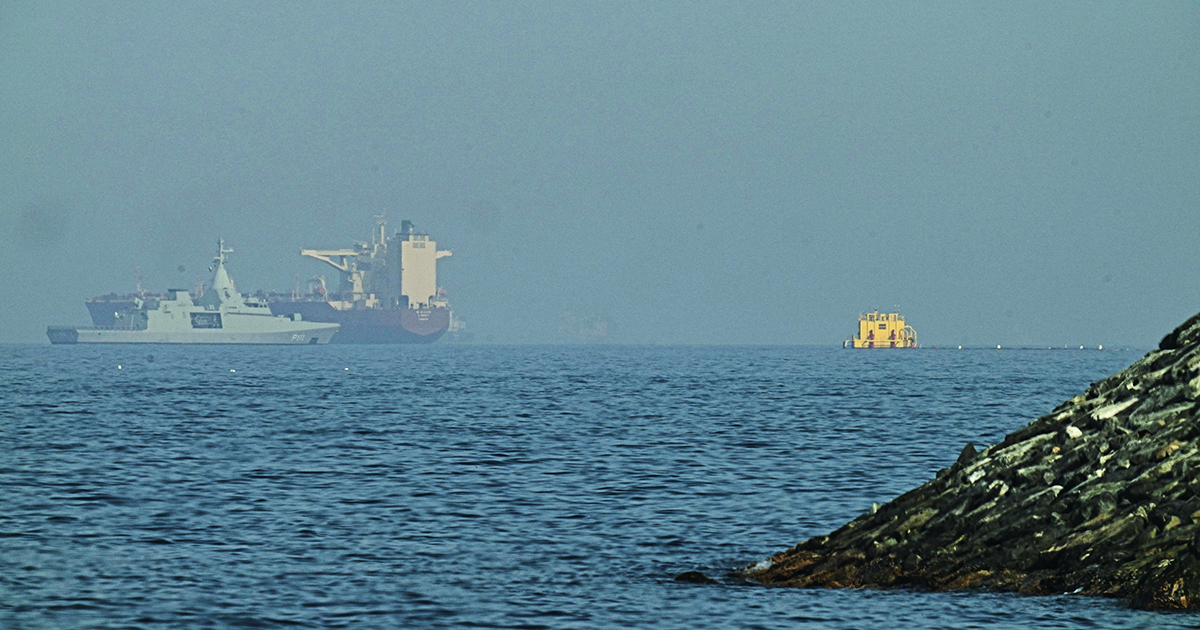
The U.S. Energy Information Administration dropped the bomb: 8.2 million barrels a day. A new high water mark. This isn’t just a blip; it’s a symptom of a global energy market in turmoil. The conflict in the Middle East, specifically the near-closure of the Strait of Hormuz, has tightened supplies. Crude shipments already set a record. Now, it’s the refined products — diesel, jet fuel, gasoline — that are pushing the envelope.
This isn’t a subtle shift. It’s a full-blown pivot. As Ryan McKay of TD Securities put it, “It seems export capacity is skewed toward products versus oil this week. It makes sense given product-market tightness is more acute than crude globally.” Think of it as a global game of musical chairs, and someone’s leaning on the orchestra.
Diesel Drives the Boom
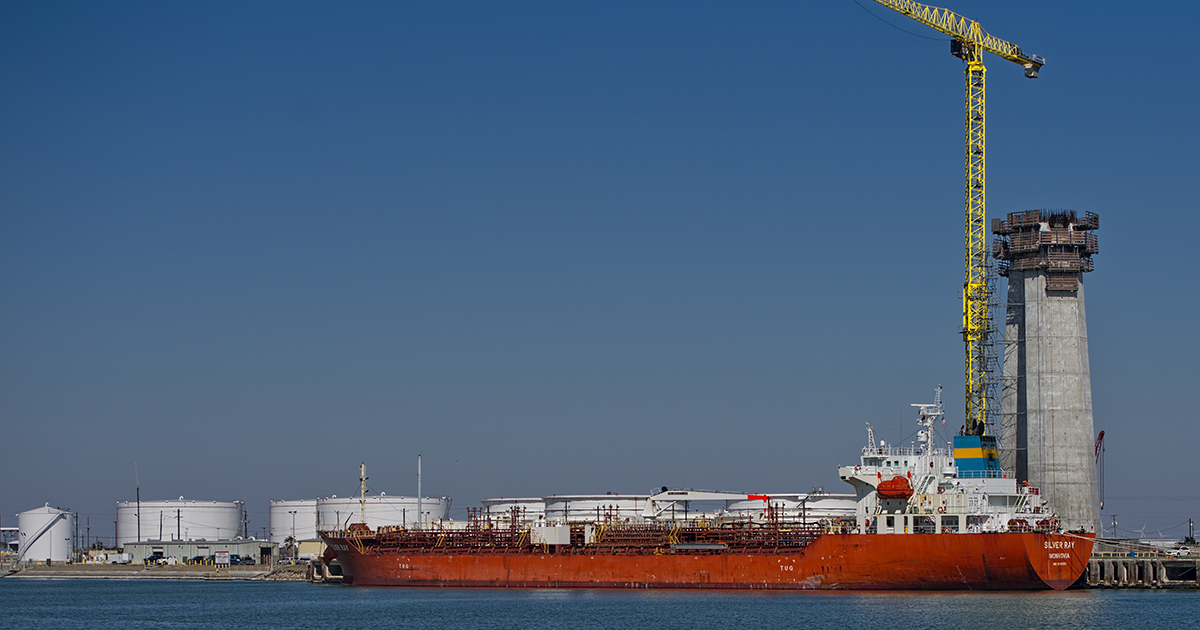
Diesel, that unglamorous workhorse of the economy, is leading the charge. A whopping 1.9 million barrels a day of distillate fuels like diesel left U.S. shores in the week ended May 1. That number just nudged out previous highs from August 2024 and dwarfs anything seen during the early years of Russia’s invasion of Ukraine. Jet fuel isn’t far behind, either, with shipments climbing to 427,000 barrels a day last week, nearing its own record.
These aren’t just numbers on a spreadsheet. Middle distillates such as diesel and jet fuel are feeling the pinch worldwide. Refiners in Asia and Europe are starved for crude. Those fortunate enough to be west of the Strait of Hormuz are bottlenecked, unable to move their product efficiently. It’s a perfect storm of supply crunch and demand surge.
The result? Prices. Retail diesel prices are hovering around $5.67 a gallon nationally, according to AAA. On the Gulf Coast, jet fuel clocked in at $3.77 a gallon on May 5. That’s a staggering 57% leap since the conflict kicked off. When trucks can’t move goods cheaply and planes cost more to fuel, everything gets more expensive. Remember that, the next time you fill up your car.
The Political Tightrope
For refiners, this export surge is pure gravy. For the administration? It’s a political minefield. While the nation becomes a global energy savior, domestic consumers are facing dwindling supplies and rising costs. U.S. distillate stockpiles are at their lowest since 2005. That’s a concerning metric. We’re sending our fuel abroad while our own tanks are running on fumes.
And where is this fuel going? To places that don’t normally rely on American muscle. Australia, for example, is now a destination for U.S. diesel and gasoline. It highlights just how far the supply lines have been stretched and contorted by current events. The global supply chain, once a predictable beast, is now a jittery, unpredictable entity.
This record-breaking export spree is a clear signal: the global energy landscape has shifted, and the U.S. is front and center. But the cheerleading should be tempered with a dose of reality. Fueling the world is noble, but not at the expense of crushing domestic affordability. The next few months will tell if we can balance these competing demands without igniting a wider economic firestorm.
Logistics’ Role in the Equation
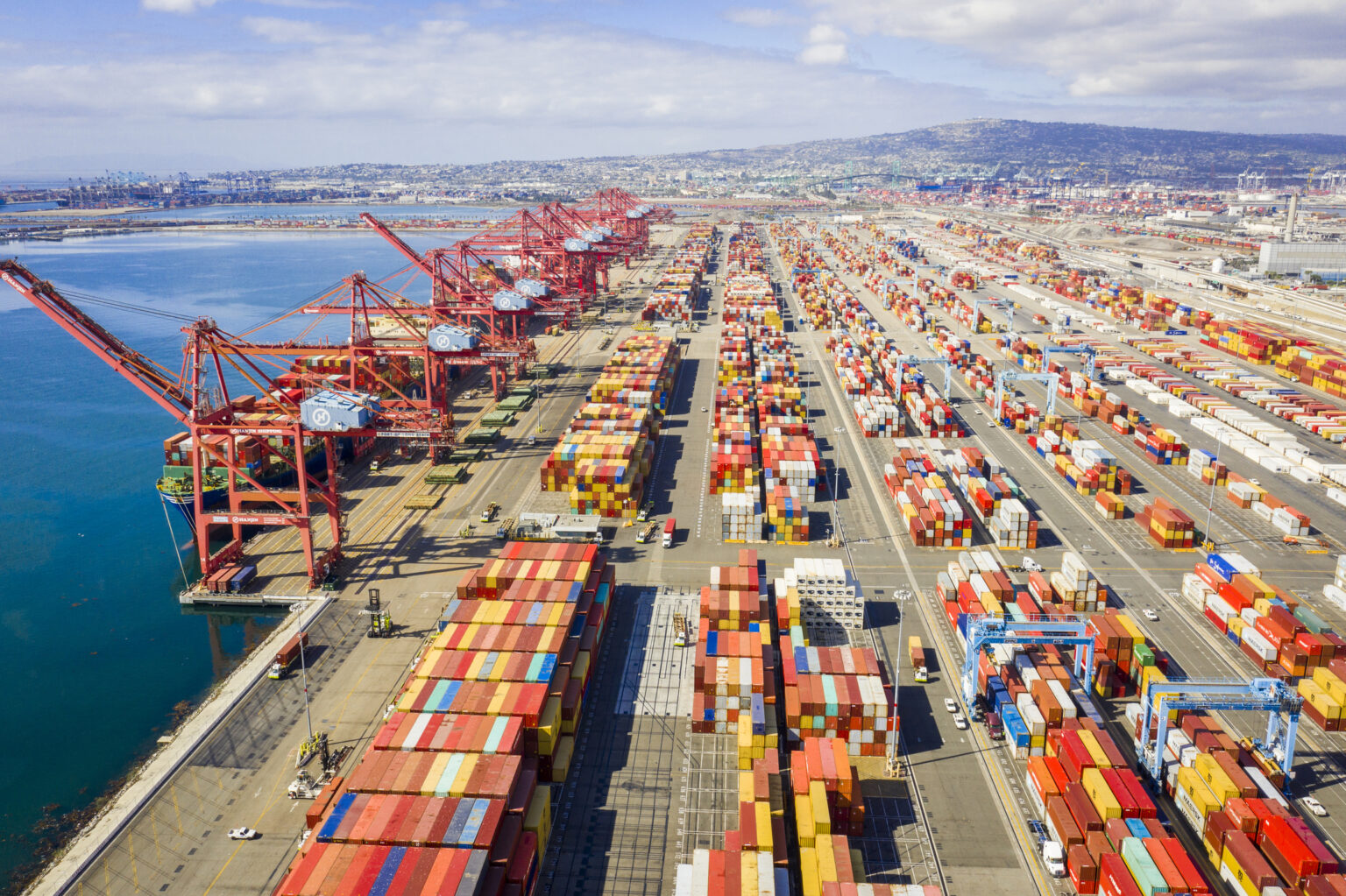
Of course, none of this happens without a functioning logistics network. The ability to move 8.2 million barrels of product a day requires ships, ports, pipelines, and the complex dance of global freight. Mark Hill of PCS Software joins us to discuss the pressures on logistics infrastructure, a topic that’s become more critical than ever. The Top 100 list of the largest logistics companies in North America, released by TT, underscores the massive scale of the industry tasked with keeping the world supplied. It’s a complex ballet, and any misstep can have global repercussions.
The Insight: This isn’t just about export volumes; it’s a stark illustration of how interconnected and fragile global energy markets have become. The reliance on U.S. production to backfill supply gaps exposes a systemic vulnerability that geopolitical events can exploit with alarming speed and ferocity. The world is learning, the hard way, that energy security isn’t just about producing enough, but about having reliable, accessible supply routes – routes that are currently being tested to their absolute limit.