USPS Peak Season: Tech Fixes Missed Targets [OIG Report]
Everyone expected the USPS to finally nail its 2025 peak season with all those shiny new tech upgrades. The reality? A mixed bag, according to the OIG.
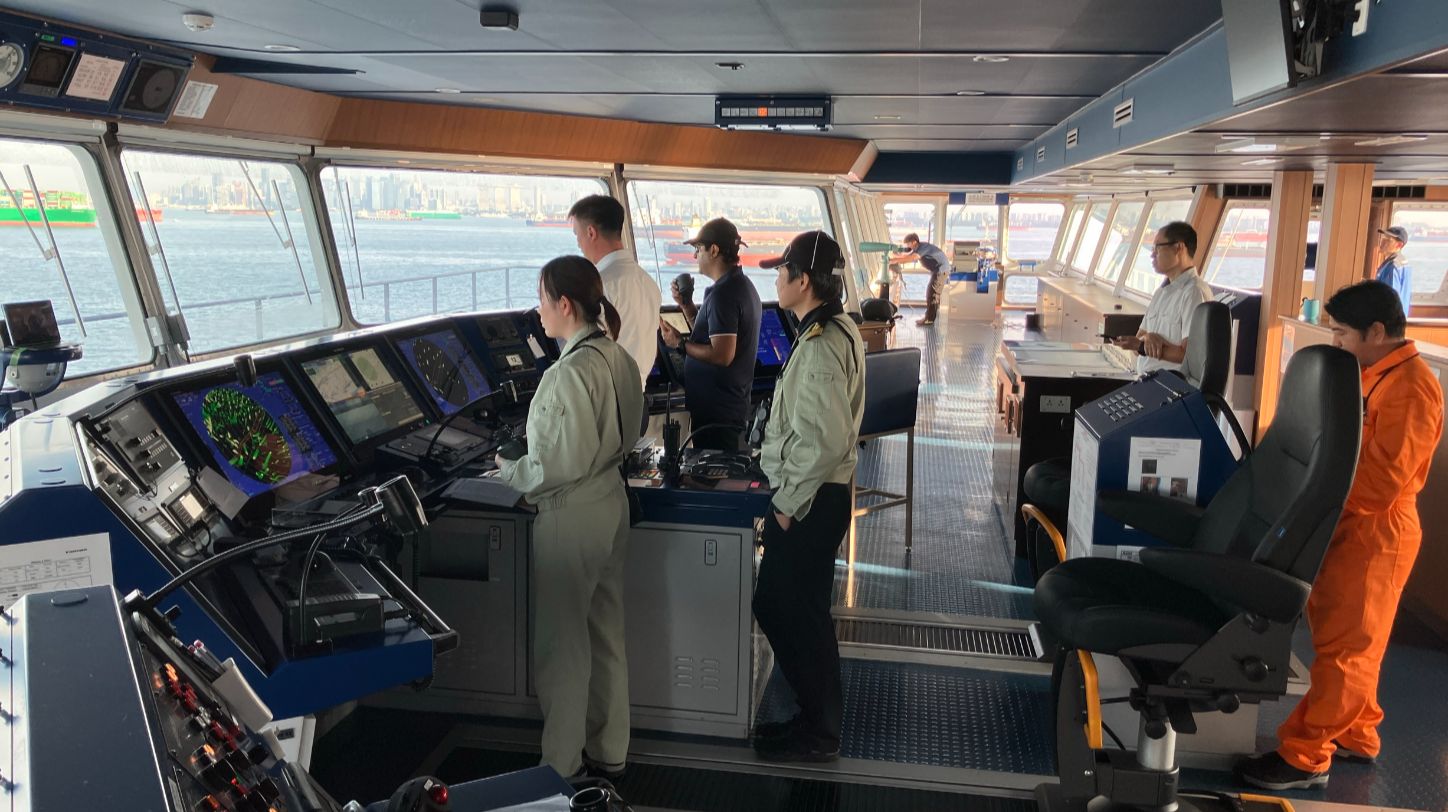

Did you know the future of shipping might be silently sailing itself? Singapore's bustling port just hosted a key demonstration that hints at a profound shift.
Charleston port is making a bold move into roll-on/roll-off operations. This specialized expansion hints at the future of intelligent logistics.
Everyone's talking AI. But when it comes to actually *doing* it in the supply chain? The reality's a lot messier.
China's Ministry of Transport is hitting major container lines with fines for freight rate discrepancies. The move signals intensified regulatory scrutiny in a volatile trade environment.
The global shipping lanes are under siege. From the Strait of Hormuz to the Panama Canal, a confluence of geopolitical tensions and infrastructure crises is forcing radical rerouting and driving costs to stratospheric levels. This isn't just a hiccup; it's a fundamental reshaping of maritime logistics.
Cargo crime is rampant. New laws aim to help. But experts say we're missing the obvious: locking down who's actually driving the truck. It’s about time someone said it.
Xi Jinping warns of 'conflicts' over Taiwan. Trump ponders a $14 billion arms deal. Welcome to the geopolitical tightrope, where global security and supply chains hang in the balance.
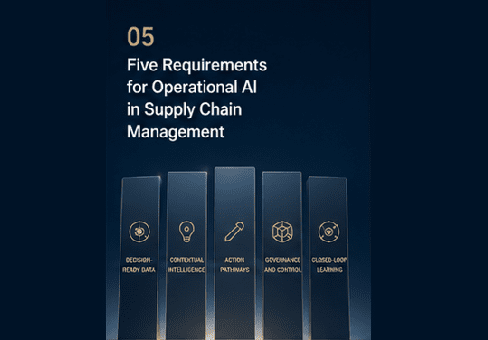
Forget the chatbot hype. For AI to truly transform supply chains, it needs more than just data. It demands an architectural shift focused on actionable outcomes.
The latest figures show container shipping rates climbing at an alarming pace, pushing past pre-conflict levels. Yet, whispers of softening demand and carrier promises of higher rates clash.
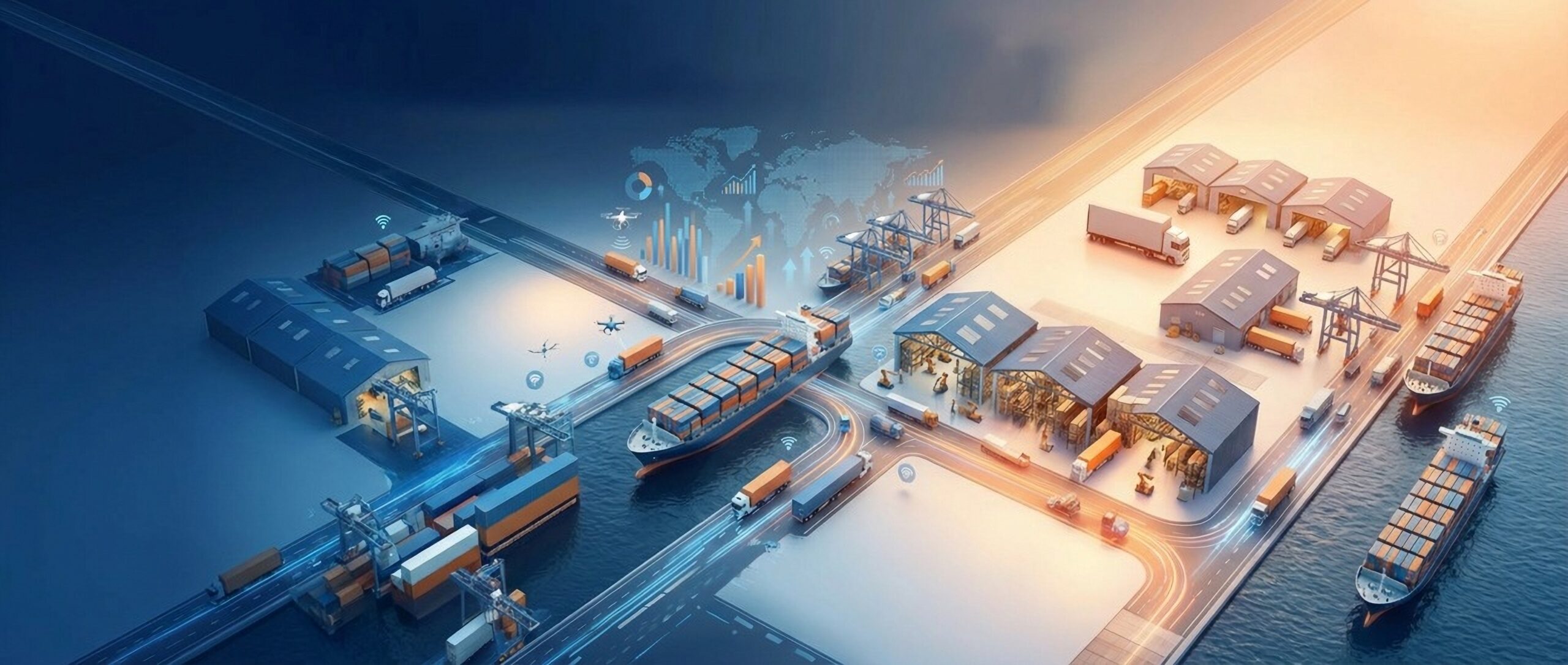
Are we on the cusp of an AI-driven supply chain revolution? This isn't just about smarter software; it's a foundational shift on par with the internet itself, promising to reshape logistics from the ground up.
The UK's King's Speech gestures toward much-needed infrastructure and payment reforms, offering a peek at potential supply chain improvements, but the devil, as always, is in the missing details.
Ports are finally catching up to the 21st century. Automation and AI are no longer buzzwords but operational realities reshaping global trade.
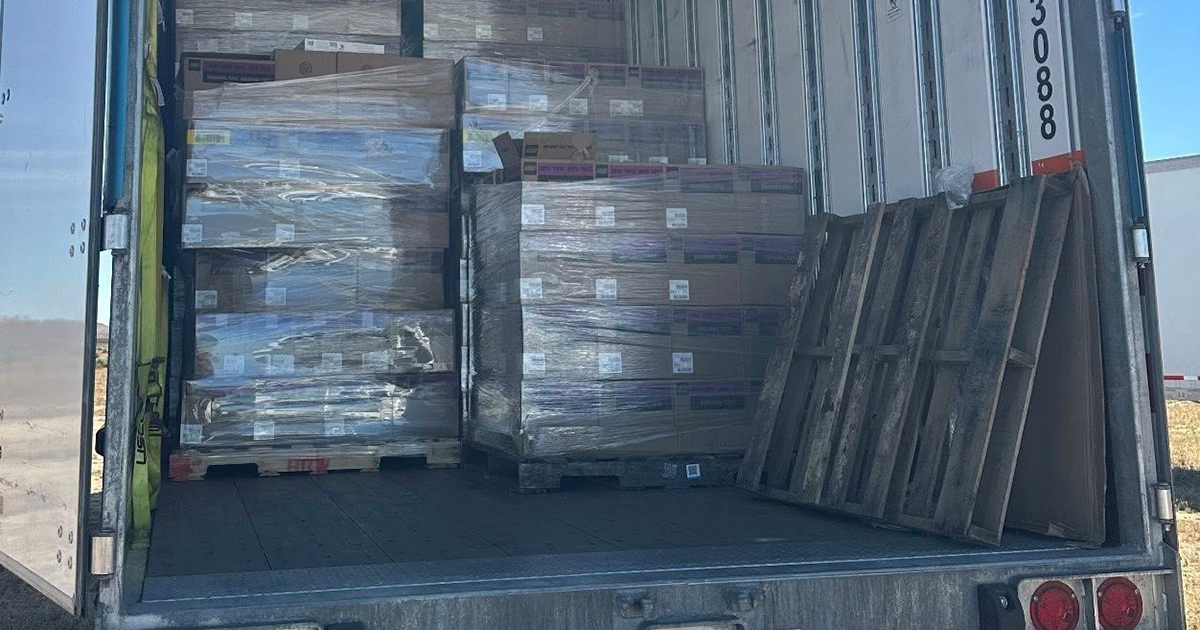
It wasn't a mirage. California deputies stumbled upon a million dollars worth of Lego bricks abandoned in the Mojave Desert, cracking a significant cargo theft case originating from Texas.
The specter of bunker fuel shortages looms over container shipping, potentially forcing an early and sharp peak season as Red Sea diversions already strain capacity.
You think you're negotiating smart on ocean freight rates. Think again. The real risk isn't the spot price; it's where the ships themselves are getting financed.
Everyone expected a slow crawl towards driver protections. Instead, New York City is trying to force a seismic shift in last-mile delivery economics, and Amazon's threatening to just leave.
The world of cross-border e-commerce just got a significant upgrade. Asendia and SingPost's new partnership isn't just about better deliveries; it's a signal that the AI-powered logistics revolution is hitting full stride.
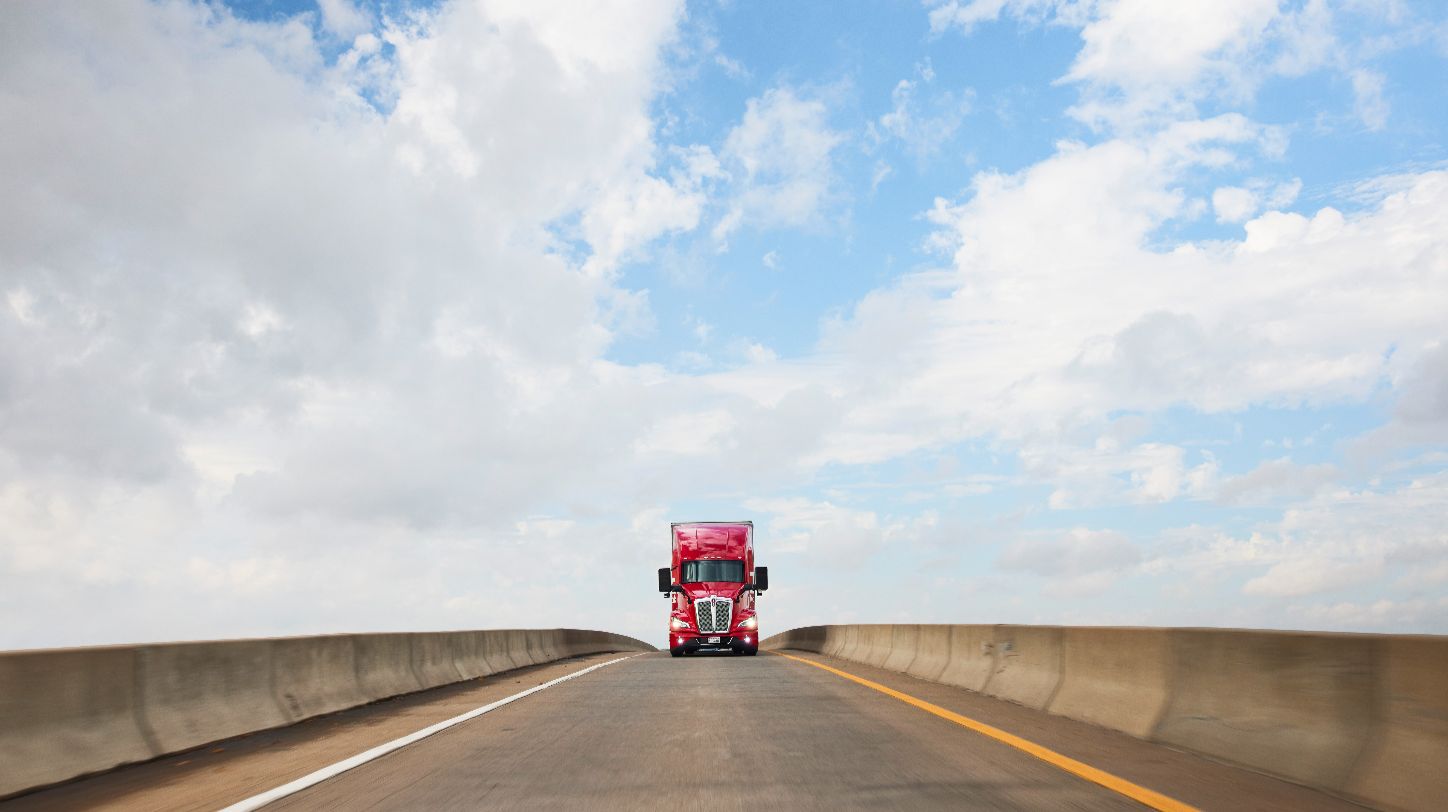
The rumble of autonomous trucks is getting louder. Roehl Transport's deployment with Kodiak signals a tangible shift, moving beyond pilot programs to routine hauls.
Amazon's move into broader supply chain services isn't just a flick of the wrist. Incumbent giants FedEx, Maersk, and GXO are publicly brushing it off, but a closer look reveals a seismic shift they may not be ready for.