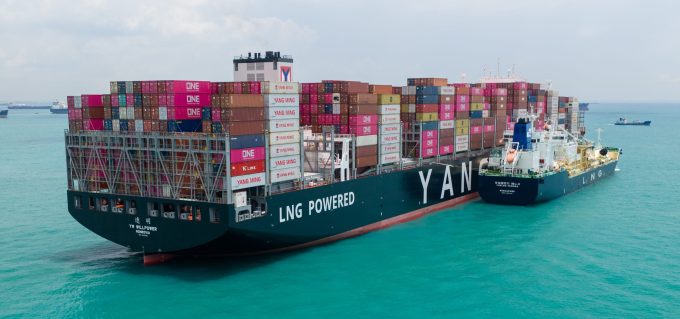
A tanker sloshing with fuel oil makes its way through a fraught waterway, its cargo suddenly a lot more valuable and a lot less certain.
The global shipping industry, already grappling with the fallout from Red Sea diversions, is now staring down a potential bunker fuel supply crunch that could force its hand on peak season timing and intensity. Freightos’ head of research, Judah Levine, isn’t mincing words: the risk is real, and the implications for freight rates are significant.
Fuel Risk: The Unseen Hand on Rates
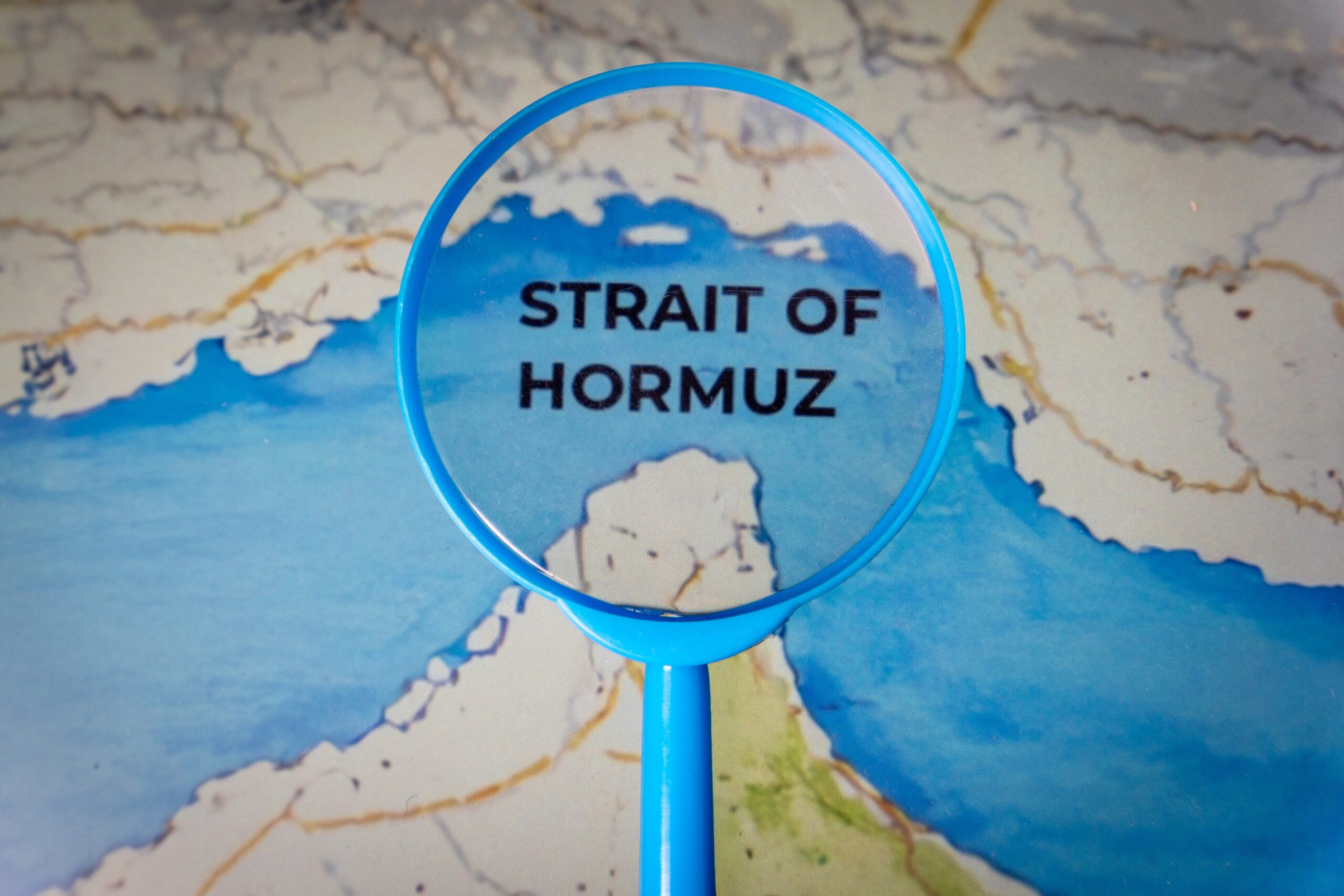
Levine’s analysis points to the Strait of Hormuz as the critical pressure point. While the industry has thus far navigated the crisis by making extra port calls and sourcing fuel where available, that’s a temporary patch. A prolonged disruption in that key oil transit route, he warns, could dry up supplies at crucial bunkering hubs in Asia and Europe within months. The Far East, heavily reliant on oil moving through that chokepoint, stands to be particularly exposed. North America, for now, appears to be the relative safe harbor.
This isn’t just about minor inconveniences. If these projected shortages materialize, the effect on ocean freight will far exceed the modest rate adjustments seen thus far. Why? Because it directly impacts the effective supply of vessels. Carriers will be forced into more slow-steaming and an increased number of blank sailings – essentially, cutting capacity just as demand is slated to rise. That’s the classic supply-and-demand squeeze, amplified.
“The Far East is especially dependent on oil that would normally move through the Strait of Hormuz.”
When Does Peak Season Start This Year?
For the Asia-Europe lane, Levine anticipates an early start to the peak season, potentially as soon as this month. The current Red Sea diversions have already stretched transit times, effectively shrinking the window for shipments to arrive before the early October Golden Week holiday. This forces European importers to get their goods moving sooner rather than later, putting upward pressure on rates even before the traditional seasonal ramp-up. It’s a self-fulfilling prophecy, driven by necessity and extended lead times.
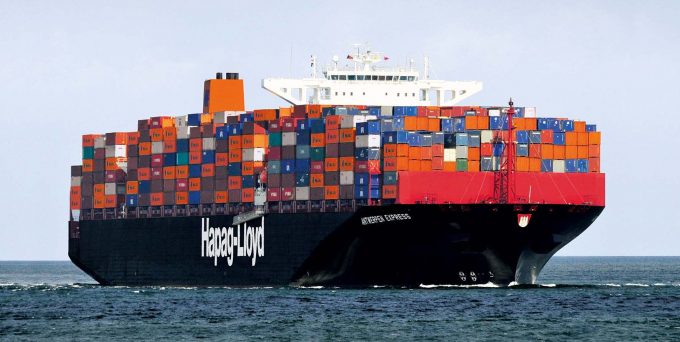
This isn’t entirely novel. Levine notes that this earlier pressure has been the norm since the Red Sea diversions began. Rolf Habben Jensen, CEO of Hapag-Lloyd, offered a more tempered, though still cautious, outlook during a recent earnings call. He cited forward bookings suggesting a “fairly normal peak season,” with some spot rate increases and May momentum. However, he, like everyone else, is watching the end of June and July with bated breath.
But here’s the kicker, and where the data diverges from pure optimism: Levine suggests this year’s peak might actually be muted compared to recent years, particularly on the transpacific routes. Projections from the National Retail Federation for US ocean imports show a July peak, with elevated volumes through August, but crucially, July volumes are expected to be 8% lower than last year and 6% below 2024 levels.
The Double Whammy: Fuel Costs and Consumer Demand
Happen Jensen confirmed that transpacific contract rates, stripped of fuel surcharges, are down year-over-year, even as demand remains strong. This sets up a delicate balancing act. Higher energy prices, driven by geopolitical instability and potential fuel shortages, could conversely dampen consumer demand. If fuel costs translate directly into higher inflation and reduced discretionary spending, peak-season freight demand could falter. Meanwhile, carriers are still saddled with elevated operating costs due to the longer routes and increased bunker fuel consumption. This is the bind – higher costs meeting potentially softer demand.
Happen Jensen expressed the industry’s quandary: while there’s some recovery in the Atlantic, the real test comes during peak season. “That’s where we’ll still need to have a further uptake on the rates, as the additional bunker costs still weigh very heavily on our P&L.” Without a severe bunker shortage, the prediction is for a continuation of the current trend – more of the same, until peak season forces the issue.
My unique insight here? We’re not just talking about logistics. We’re witnessing a stark reminder of how interconnected global commodity markets are, and how geopolitical tremors can directly translate into supply chain seismic shifts. The Hapag-Lloyd earnings call, while offering a sliver of hope for a ‘normal’ peak, ultimately underscores the fragility of that expectation. The real ‘normal’ in shipping these days appears to be a constant state of navigating new, often unforeseen, disruptions. The market’s resilience is being tested not just by demand, but by the very fuel that powers it.