Are we still unloading ships with sheer grit and a prayer? Because if so, we’ve got a problem. The world’s ports, those vital arteries of commerce, are apparently still wrestling with the concept of, you know, efficiency. We’re talking about the nodes where manufacturers meet the sea, where suppliers hand off goods to shipping lines, and where all this eventual TikTok-destined trinket finally starts its journey to your doorstep.
But here’s the thing: cargo volumes are up. Supply chains are now a Gordian knot tied by a caffeinated octopus. And what’s the response from many of these waterfront behemoths? Apparently, a lot of dithering. Thankfully, 2026 seems to be the year port modernization stopped being a polite suggestion and became a strategic imperative. Governments, operators – they’re all finally realizing that staring at rust-covered cranes won’t make ships sail faster.
What Exactly IS a Smart Port, Anyway?
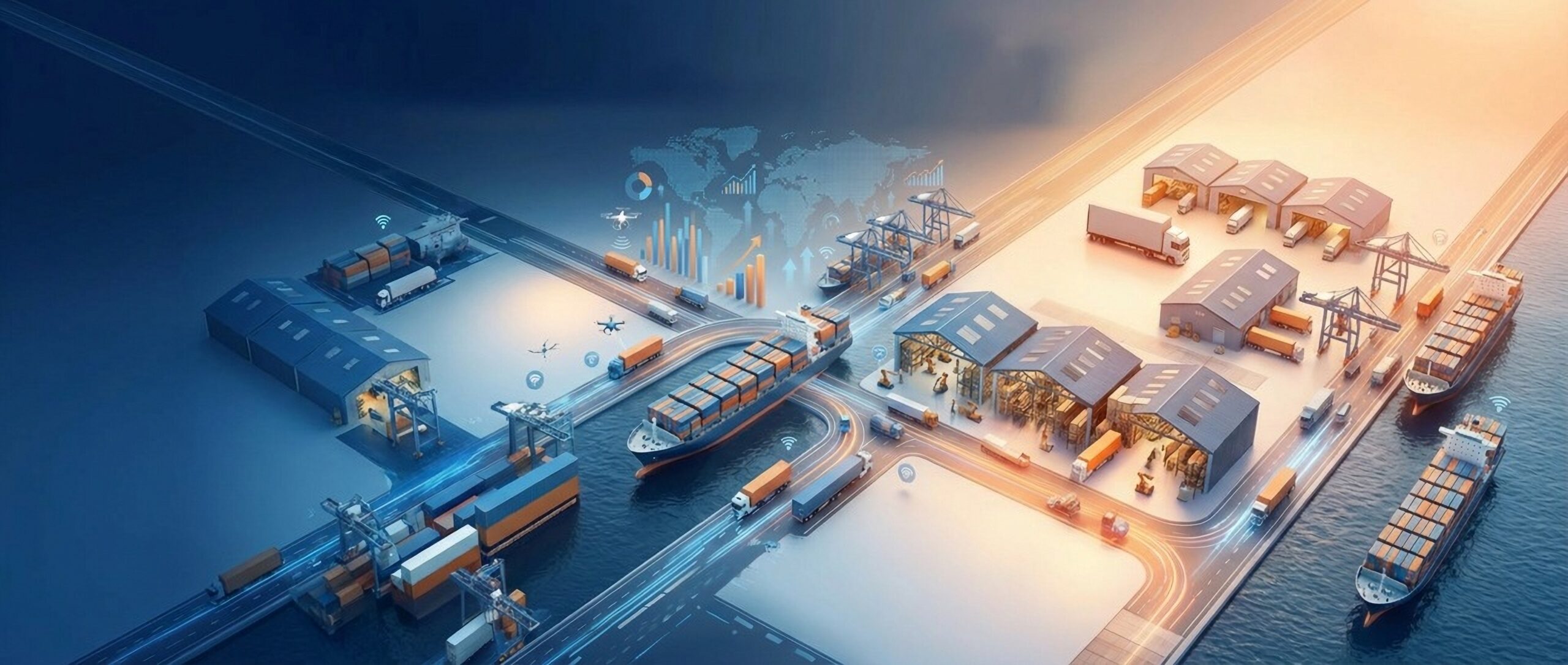
Let’s cut through the jargon. A “smart port” isn’t some sci-fi movie set. It’s a port that uses, gasp, digital tech. Sensors. Software. Automation. Real-time data. It’s about ditching the overflowing paperwork and the “hope for the best” operational model for something that actually works. The aim? Faster. Safer. Cheaper. Greener. And better communication between everyone involved – from the captain to the customs agent to the guy driving the truck.
This isn’t just about making things a bit tidier; it’s a direct response to a world that demands speed. Waiting is expensive. Waiting is outdated.
Automation: The Shiny New Cranes
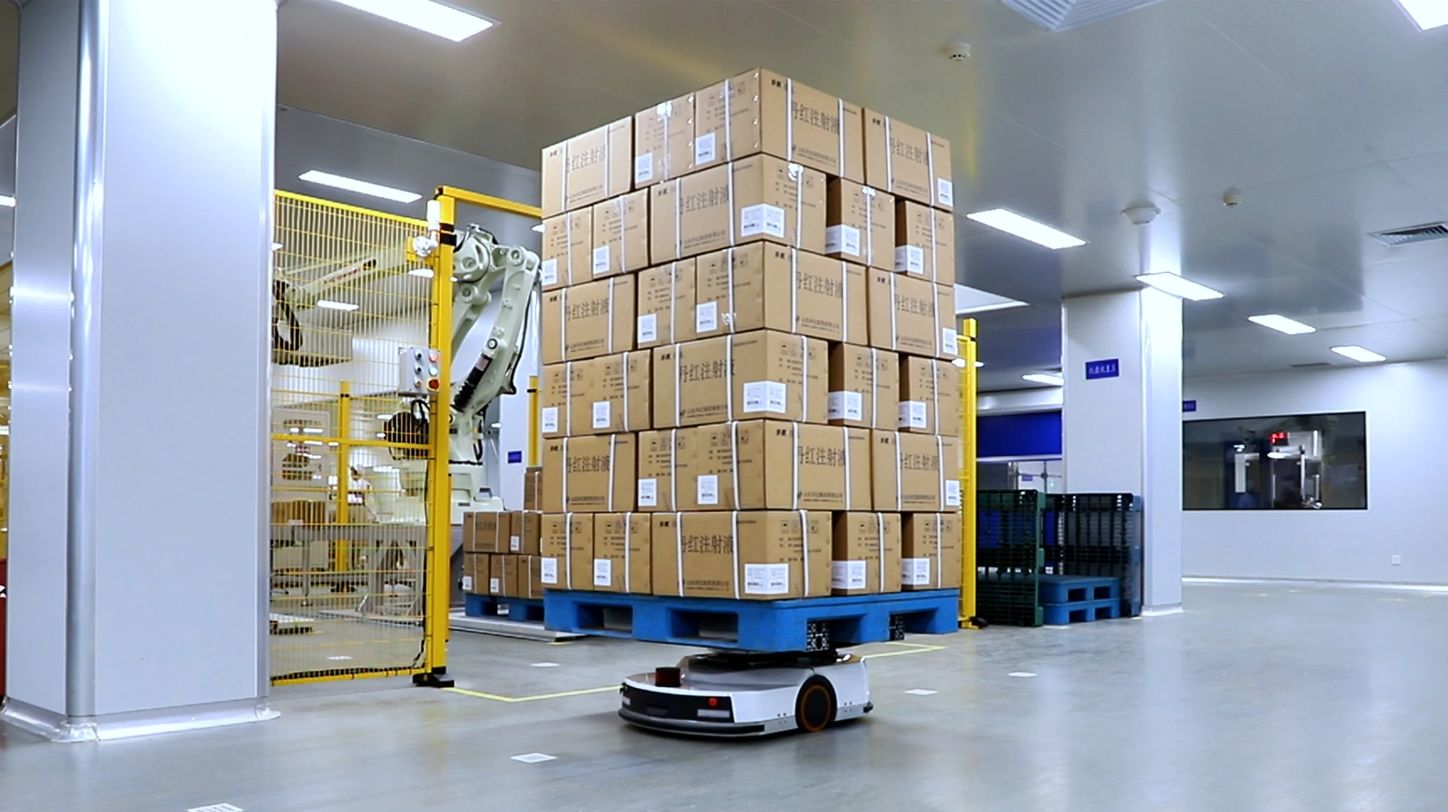
This is the most obvious stuff. Automated cranes that don’t need a coffee break. Robotic yard vehicles zipping around like hyperactive ants. Smart container movement systems that actually know where things are. The pitch is simple: these machines load and unload ships with terrifying accuracy and consistency. And crucially, they slash vessel turnaround times. Think of it as upgrading from a horse and buggy to a Tesla, but for container ships.
This push for automation isn’t just about looking modern; it’s about handling the sheer volume of goods flooding in without needing a corresponding tsunami of human labor or acres more land. It’s a pragmatic response to a very real problem.
Digital Port Management: Tidying Up the Mess
Beyond the physical automation, there’s the digital glue holding it all together. Ports are finally shedding their fragmented, paper-chasing ways. Integrated digital platforms are now the conductors of the orchestra, choreographing berth schedules, cargo flows, customs clearances, and even workforce planning. No more scrambling for a lost manifest.
These systems offer port authorities and operators visibility they only dreamed of. Real-time dashboards are the new crystal ball, allowing for swift decisions when weather, congestion, or a rogue ship throws a wrench in the works. It’s about connecting all the disparate pieces onto a single, functional jigsaw puzzle. Essential, frankly.
The IoT’s Grip: Constant Data Streams
The Internet of Things. Sensors. Everywhere. On cranes, vehicles, gates, stacks of containers. They’re constantly sniffing out data: equipment health, container locations, traffic jams, fuel consumption, security breaches. And the best part? Real-time alerts. If a crane is groaning its last, you know it. If a gate is backing up, you get a ping. It’s about proactive problem-solving, not just reacting when everything grinds to a halt.
This constant stream of data provides a level of situational awareness that traditional methods could never achieve. It’s the foundation for predictive maintenance – fixing things before they break.
AI: The Brains Behind the Brawn
Automation is the muscles, but AI is the brain. Artificial intelligence is turning ports from reactive entities into proactive powerhouses. AI sifts through mountains of historical and live data to predict cargo demand, optimize where ships dock, and anticipate congestion. Ever wonder why that truck line seems to materialize out of thin air? AI is trying to prevent that.
It’s about making smarter, faster decisions. Estimating arrival times with uncanny accuracy by factoring in weather and traffic. Streamlining truck movements to banish those infuriating gate queues. Predictive analytics in a port setting means smoother operations, more efficient resource use, and less taxpayer money wasted on idle equipment.
“Modern ports use sensors, software platforms, automation tools, and real time analytics. The goal is to create faster, safer, and more efficient operations while reducing costs and environmental impact.”
Sustainability: The Green Port Imperative
Let’s be honest, ports haven’t historically been known for their gentle environmental touch. But times are changing. Electrification of equipment, shore power systems (so ships can plug in and turn off their polluting engines while docked), and renewable energy integration are becoming standard. Cleaner cargo handling gear is being adopted. It’s not just about being good citizens; it’s about meeting investor and government demands for greener infrastructure.
This isn’t just a feel-good initiative; it’s becoming a market differentiator. And a prerequisite for funding.
Cybersecurity: The Elephant in the Digital Room
Now for the part that keeps CIOs up at night. As ports become digital fortresses, they also become tempting targets. Sensitive trade data, critical operational systems, national infrastructure – it’s all on the line. Modernization efforts must include strong cybersecurity. Network protection, data encryption, threat detection – these aren’t optional extras anymore. They’re the locks on the digital doors.
Frankly, any port modernization plan that doesn’t put cybersecurity at its absolute core is setting itself up for a spectacular, and costly, fall.
The Big Picture: Why It Matters
This isn’t just about ships and cranes. This is about the global economy. Smarter ports mean faster supply chains, lower costs for businesses, and ultimately, potentially lower prices for consumers. It’s about resilience in the face of disruption – be it a pandemic, a geopolitical spat, or just a really bad storm.
But the real question isn’t if ports will get smarter. It’s how many will truly embrace it, and how quickly they can overcome the inertia of decades of tradition. Those that lag will find themselves not just outpaced, but irrelevant.
🧬 Related Insights
- Read more: Regional Supply Chains: Globalization’s Slow Fade? [Data]
- Read more: Last-Mile Delivery Optimization: Strategies to Reduce Costs and Improve Speed
Frequently Asked Questions
What does a smart port actually do? A smart port uses digital technologies like automation, IoT, and AI to improve the speed, safety, and efficiency of cargo handling, vessel coordination, and overall operations, while also focusing on sustainability and security.
Will this automation take away port jobs? While some manual roles may shift or be reduced, automation often creates new jobs in areas like system maintenance, data analysis, and technology management. The focus is on upskilling the workforce for these new roles.
How safe are smart ports from cyberattacks? Cybersecurity is a major concern. Modern smart ports are implementing advanced security measures, but as they become more connected, they remain potential targets. Continuous vigilance and investment in security are essential.