Are shipping carriers truly being squeezed, or are they finding new ways to pad their pockets amidst global chaos?
That’s the million-dollar question, and Beijing’s latest move to crack down on freight rate violations by international carriers and domestic NVOs certainly adds a new layer of complexity. The Ministry of Transport (MoT) has reportedly issued fines to big names like CMA CGM, MSC, Hapag-Lloyd, ONE, Evergreen, Wan Hai, and Emirates Shipping for alleged discrepancies between actual freight rates and those filed with authorities. It’s a stark reminder that when geopolitical tensions flare, so too do regulatory watchdogs.
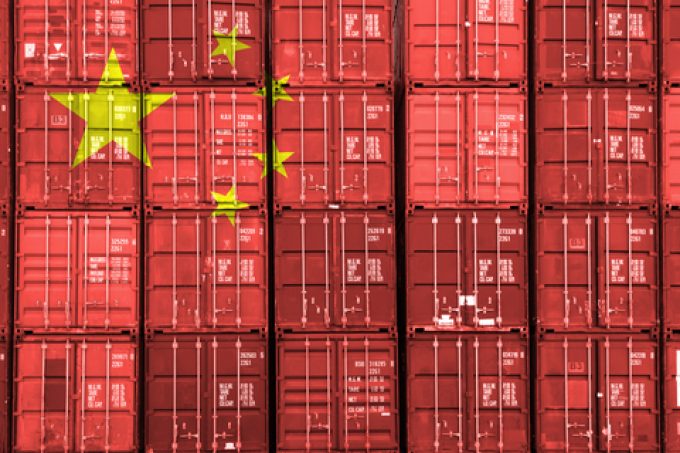
China’s Ministry of Transport has issued notices imposing fines on several major container lines and domestic NVOs that have allegedly engaged in freight rate filing violations.
This isn’t exactly uncharted territory for Chinese regulators. We saw a similar sweep in 2017 when over a dozen lines were chastised for a lack of transparency. And post-Middle East war, the ministry explicitly warned against “opportunistic pricing,” a warning that appears to have been, at best, politely ignored by many.
The ‘Fair Value’ Conundrum
Here’s the sticky wicket: The MoT claims these inspections were conducted after holding talks with the companies. That suggests a certain level of pre-existing awareness, or at least, should have been. The stated aim is to “strengthen the regulation of international container liner shipping and non-vessel operating common carrier markets, and enhance public oversight.” Sounds noble, right? But the reality on the water is often far murkier. Shipping companies and NVOCC operators are being told to take this as a warning, improve their systems, and ensure accountability. Yet, despite these regulatory efforts, the very crisis that prompted the warnings – the Red Sea disruptions – has also seen a wave of surcharges and extra costs flow onto shippers’ bills. It’s a performance, folks. A well-rehearsed dance of penalties and profits.
India, too, has been flexing its regulatory muscle. The Directorate General of Shipping (DGS) has received a slew of complaints about ancillary charges being levied by shipping lines and their agents. These charges, stakeholders claim, are opaque, opportunistic, and serve to inflate costs by exploiting geopolitical tensions. But here’s the kicker: despite these interventions, those hefty war-risk surcharges and other surcharges are still finding their way onto freight bills. It raises a significant question about the actual impact of these governmental pronouncements when the market dynamics — driven by capacity constraints and geopolitical risks — are so powerful.
Is This Just Theater for Shippers?
What we’re witnessing isn’t just a simple regulatory tidying-up exercise. It’s a complex interplay between governmental oversight, carrier strategy, and the ever-present volatility of global trade. The fines, while significant, might serve more as a performance for the international shipping community and domestic stakeholders than a genuine deterrent to what many see as the industry’s inherent tendency towards profit maximization, particularly when supply is tight and demand is, shall we say, enthusiastic. The narrative that carriers are simply passing through unavoidable costs is wearing thinner than a well-traveled container seal.
This regulatory push, both in China and India, highlights a growing global awareness and frustration with the opacity and perceived opportunism within the shipping sector. However, the continued prevalence of surcharges suggests that the economic incentives for carriers to deploy these strategies, despite regulatory warnings, remain incredibly strong. It’s a classic case of trying to regulate a market where the supply-demand imbalance, amplified by external shocks, creates an environment ripe for premium pricing. The question isn’t if carriers can get away with it, but rather how much scrutiny it takes before the market corrects, or if regulation can ever truly keep pace with carrier ingenuity.
A Historical Echo
This cyclical pattern of regulatory crackdowns followed by continued market-driven pricing echoes past industry booms and busts. The core issue remains the fundamental imbalance between container capacity and the unpredictable surges in global demand, exacerbated by events like the Red Sea crisis. Carriers, having weathered previous storms and now benefiting from a period of tight capacity, are strategically positioning themselves. The fines, in this context, might simply be viewed as the cost of doing business, a predictable expense in a highly lucrative, albeit turbulent, sector.
It’s a challenging environment for shippers, caught between soaring costs and the promise of regulatory intervention that seems to have limited teeth when it comes to the bottom line. The fines are real, the scrutiny is intensifying, but the core economic levers of supply and demand, coupled with geopolitical risk premiums, continue to dictate the price of moving goods across oceans. For now, expect the regulatory pronouncements to continue, but don’t bet the farm on them significantly altering the cost structure for shippers in the short to medium term. The carriers’ playbook remains remarkably consistent.
**
🧬 Related Insights
- Read more: Free Shipping’s Free Ride Ends: Retailers Send the Bill
- Read more: MSC Grabs New Vietnam Port in Terminal Rush [Asia Boom]
Frequently Asked Questions**
What are freight rate filing violations? Freight rate filing violations occur when shipping companies or NVOs charge rates that differ from those officially registered and approved by regulatory bodies, such as China’s Ministry of Transport.
Will China’s crackdown lower shipping costs? While the crackdown aims to curb opportunistic pricing, the actual impact on overall shipping costs remains to be seen, as market dynamics like supply and demand, and geopolitical events, play a significant role.
Are other countries cracking down on shipping lines too? Yes, India’s Directorate General of Shipping has also expressed concerns and is investigating shipping lines over ancillary charges perceived as non-transparent and opportunistic.