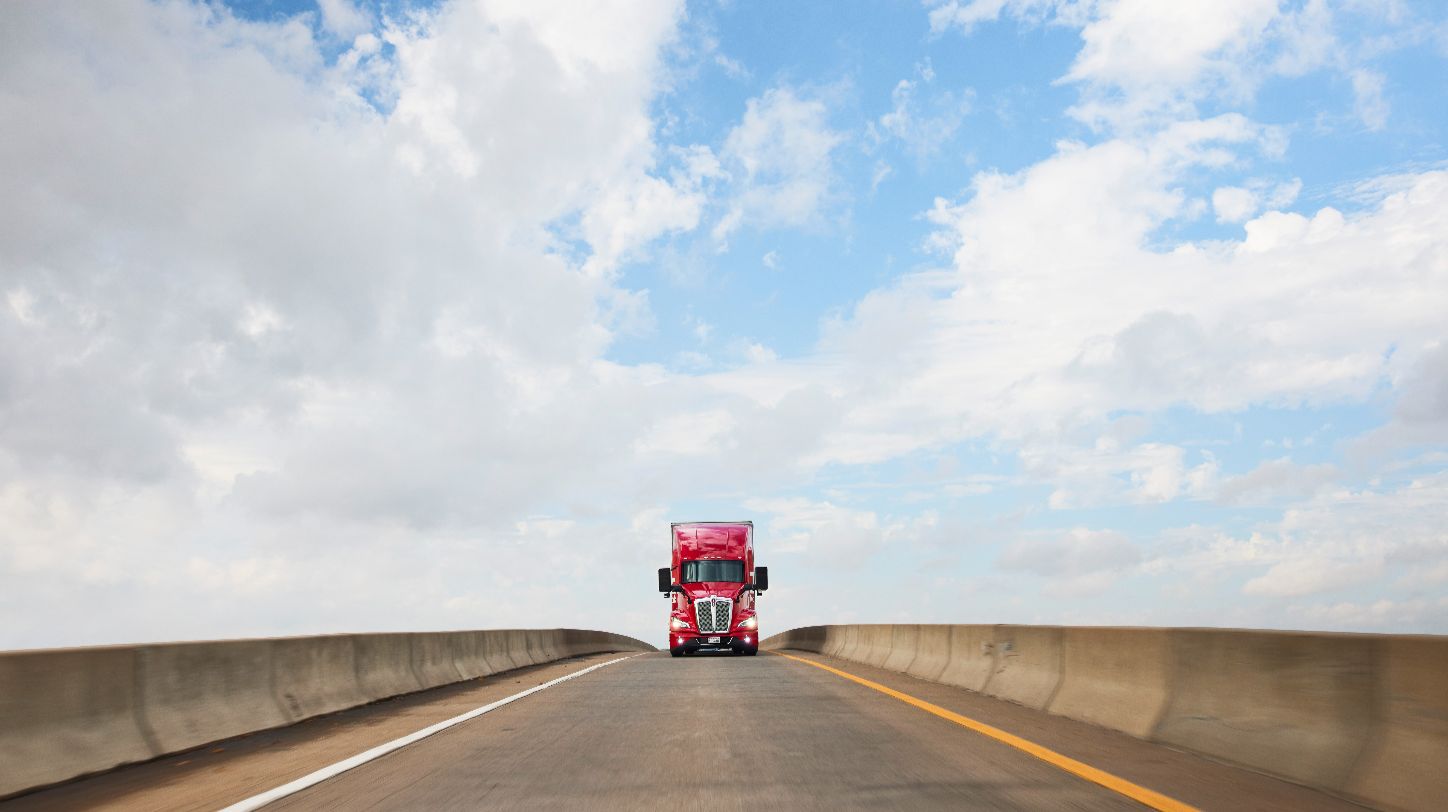
Forget the abstract discussions of AI’s future for a moment. What this announcement from Kodiak and Roehl Transport really means is that your uncle, your cousin, or maybe even you, if you’re behind the wheel of a big rig, are now sharing the highway with driverless technology. It’s not a test case anymore. Roehl, a significant player in the US trucking scene, is integrating Kodiak’s autonomous system into its Dallas-Houston routes, running four roundtrips weekly. This is real-world freight movement, not a Silicon Valley demo.
A New Era Dawns on the Dallas-Houston Corridor
This isn’t just another incremental step in automation; it’s a declaration. Kodiak’s “Kodiak Driver” system, designed for long-haul and industrial applications, is now demonstrably hauling goods for a well-established carrier. The partnership, which reportedly kicked off in April 2026, positions Roehl Transport at the forefront of this technological wave. While Kodiak already operates in other lanes, including routes to Oklahoma City, Atlanta, and El Paso, the inclusion of a major carrier like Roehl lends significant weight. Remember their deployment with Atlas Energy Solutions in the Permian Basin back in 2025? This feels like a scaling up.
The Efficiency Argument: More Than Just a Soundbite?
Kodiak CEO Don Burnette touts a “shared commitment to safety” and how their tech can “enhance efficiency while making meaningful progress toward safer roads at scale.” The efficiency angle is always the primary driver for carriers, especially in an industry constantly squeezed by fuel costs, driver shortages, and regulatory pressures. Autonomy promises more consistent speeds, potentially better fuel economy, and crucially, the ability to operate for longer periods without mandatory driver breaks. For Roehl Transport, this could translate into faster delivery times and a more predictable operational cadence. The question, of course, is whether this efficiency comes at the expense of the human element that has long defined trucking.
“By combining our AI-powered autonomous capabilities with Roehl’s safety approach, we’re proving how our technology can enhance efficiency while making meaningful progress toward safer roads at scale.”
Beyond the Hype: What’s the Real Strategic Play?
Let’s be clear: this isn’t just about replacing drivers with robots. It’s a strategic play to address systemic issues in the trucking industry. The driver shortage is a well-documented crisis, and for companies like Roehl, finding and retaining qualified drivers is a constant battle. Autonomous technology offers a potential solution, not just by reducing the need for drivers on every mile, but by potentially making the remaining human roles more desirable – perhaps focusing on complex urban deliveries or oversight rather than endless highway miles. It’s also about market positioning. Companies that embrace these technologies early will likely gain a competitive edge, attracting investment and signaling innovation.
The Human Cost: A Reckoning on the Horizon?
Here’s the uncomfortable truth. While executives talk about safety and efficiency, the specter of job displacement looms large. For the millions of truck drivers worldwide, this deployment by Roehl Transport is a stark reminder that their profession is undergoing a fundamental transformation. The economic ripple effects could be significant, impacting not just drivers but also related industries like truck stops, driver training schools, and even the communities that depend on truck driver spending. Are we prepared for a future where the iconic image of the long-haul trucker is replaced by an unmanned rig? The technology is advancing at a pace that demands serious societal and economic consideration.
What Does This Mean for You?
For consumers, the immediate impact might be subtle. Potentially faster deliveries and more stable pricing. But the long-term implications are vast. The infrastructure of our supply chains, so reliant on human drivers, is about to get a significant technological upgrade. The debate around autonomous vehicles has long been theoretical, but with companies like Roehl Transport putting these trucks to work, the theory is rapidly becoming reality. It’s a development that warrants close observation, not just by industry insiders, but by anyone who benefits from the goods that travel our highways.
🧬 Related Insights
- Read more: Teamsters’ DHL Pact Slams Brakes on Autonomous Trucks — A Wake-Up for AI Logistics
- Read more: Supply Chain Management Explained: An End-to-End Guide
Frequently Asked Questions
Will this replace truck drivers immediately?
No, not immediately. While this deployment represents a significant step, widespread replacement of human drivers is a complex process involving regulatory hurdles, technological maturity, and infrastructure development. It’s more likely to be a gradual integration, with autonomous trucks initially handling specific routes or portions of hauls.
What are the main benefits of autonomous trucks for companies like Roehl?
Key benefits include potential for increased efficiency (consistent speeds, longer operating hours), improved fuel economy, and a solution to the ongoing driver shortage. Enhanced safety is also a frequently cited goal.
Is this technology safe?
Companies like Kodiak emphasize their technology’s focus on safety. However, like any new technology, ongoing real-world testing and regulatory oversight are crucial to ensure the safety record of autonomous trucks on public roads.