Visibility: Retail's Defense Against Shocks
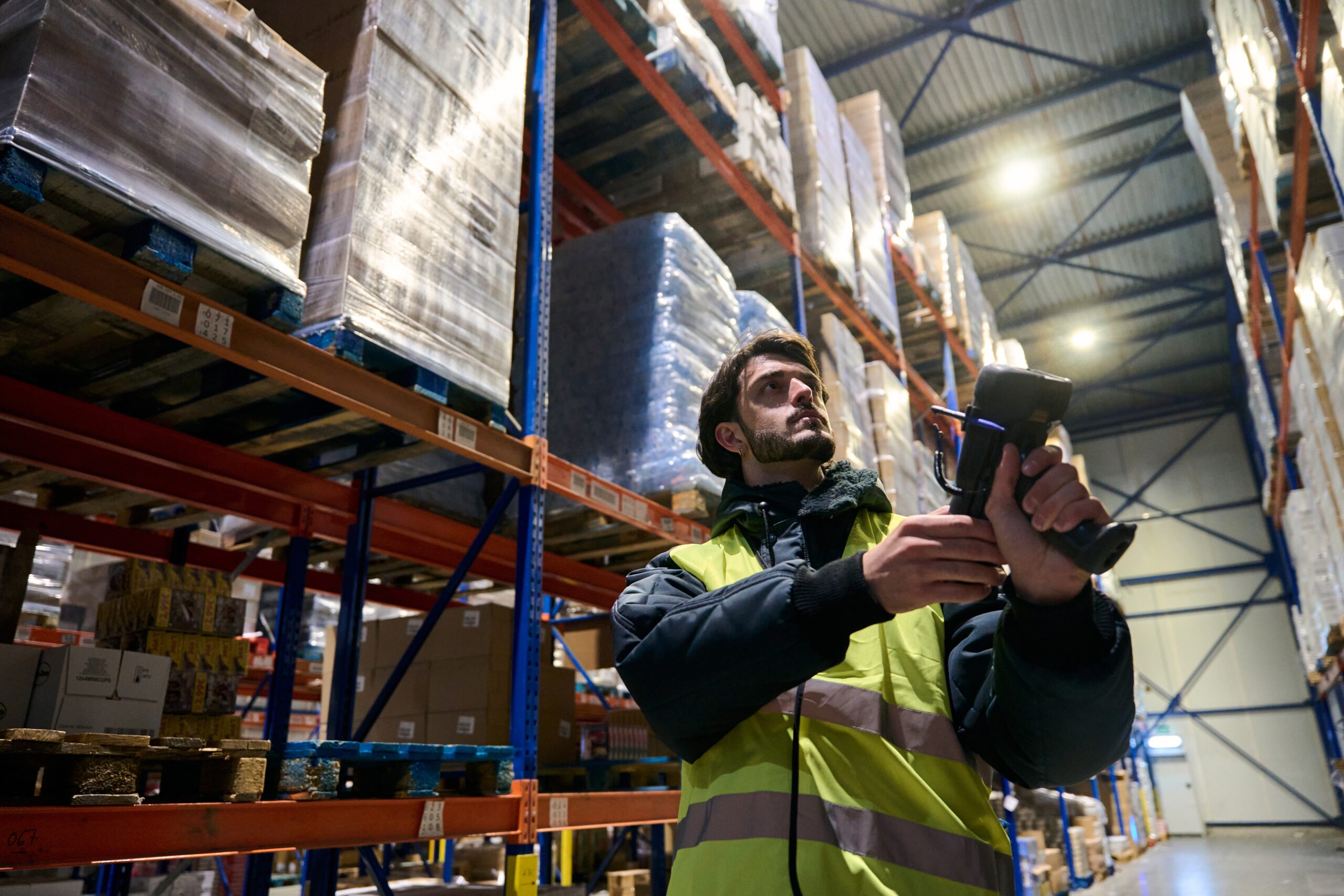
Global tensions are hitting the shelves. For retailers, the only true defense against inevitable supply chain shocks is granular, real-time inventory visibility.
The days of chasing the cheapest labor across the globe are rapidly fading. Trade fragmentation isn't just a buzzword; it's actively rewriting the playbook for how companies source goods.
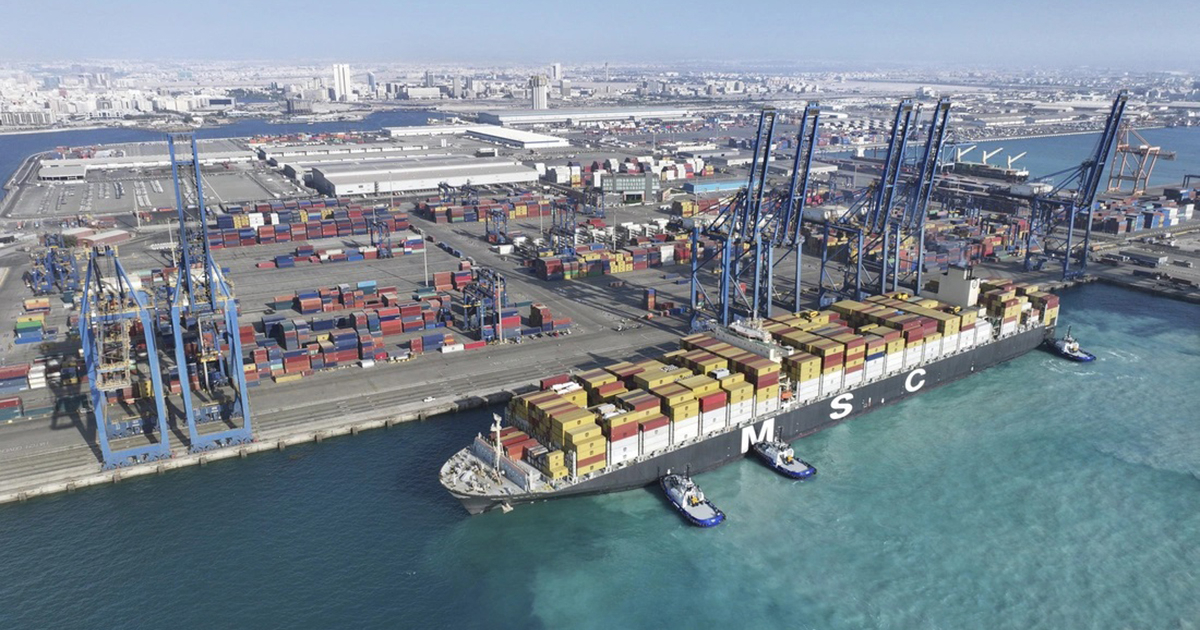
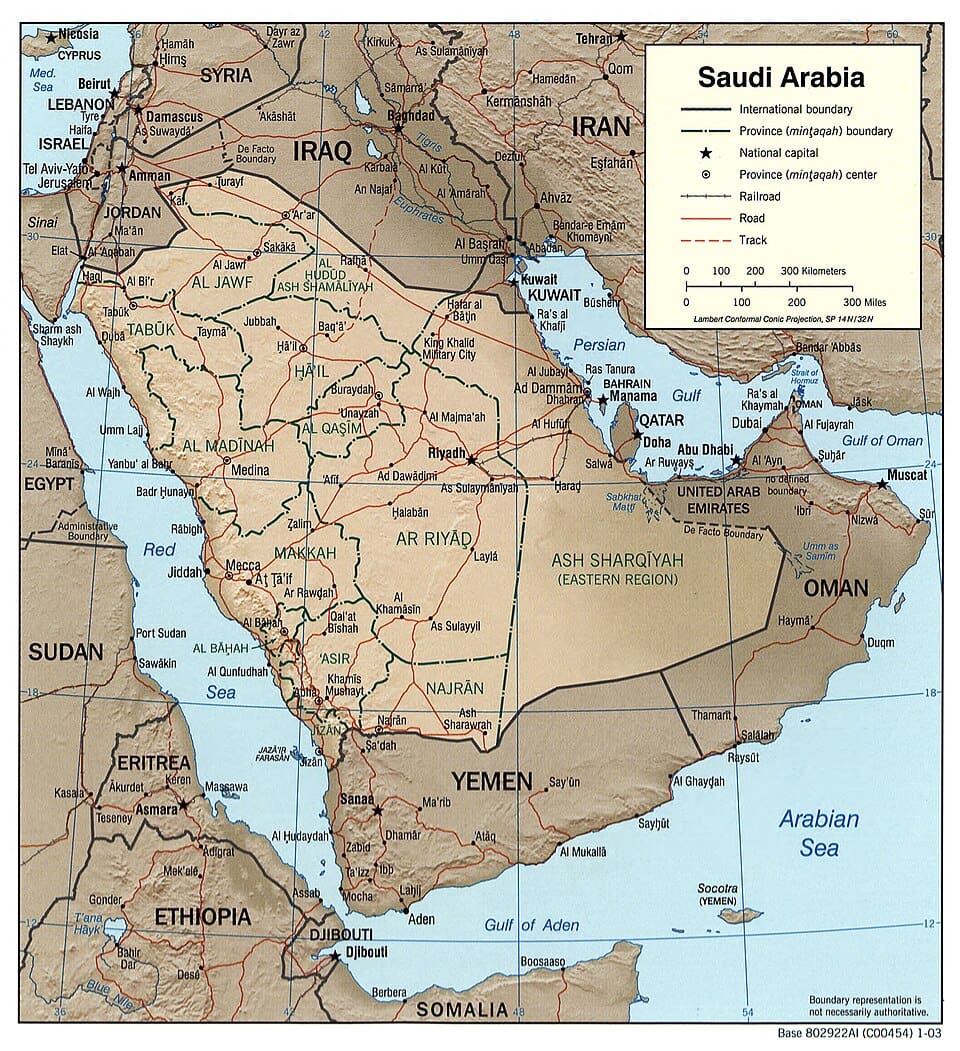
Forget simple portfolio shuffling. Saudi Arabia's Public Investment Fund is reportedly orchestrating a mega-consolidation of its logistics assets, signaling a profound pivot in how nations view global trade infrastructure.
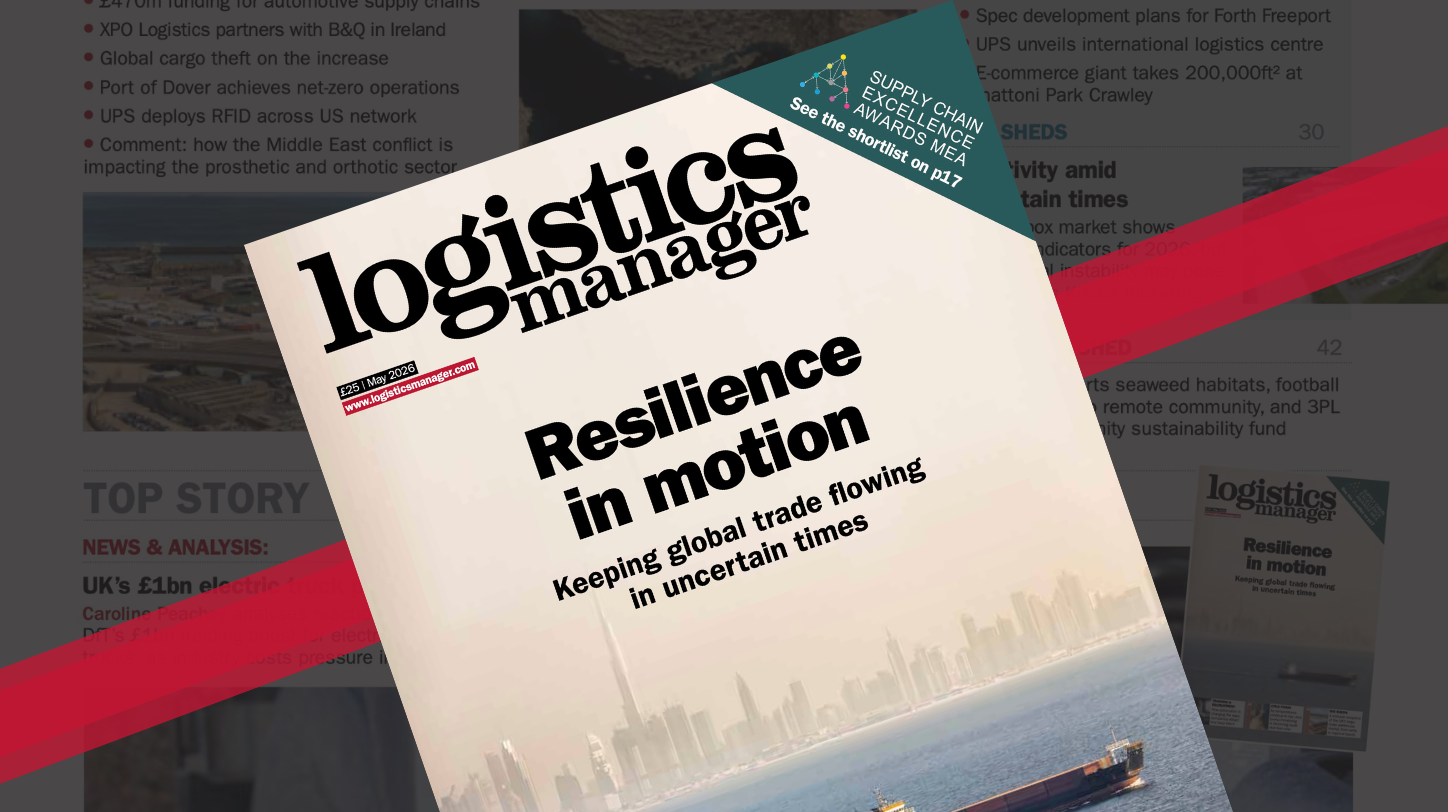
The era of hyper-cost-cutting in supply chains is over. A wave of global disruptions in 2026 has fundamentally reshaped priorities, pushing resilience from a 'nice-to-have' to an absolute necessity.
The US DOT's latest freight plan isn't just about roads and bridges; it reframes the entire network as a critical national operating system. This isn't just policy jargon; it signals a seismic shift in how we view and manage the arteries of American commerce.
Dollar Tree is pouring millions into new distribution centers. Is this a smart play for supply chain resilience or just more expensive real estate?
The Middle East's logistics sector is no longer solely chasing the lowest price. A fundamental shift is underway, prioritizing flexible, coordinated systems to navigate an increasingly volatile global landscape.
The world's largest container carrier is rerouting, embracing overland transit to circumvent geopolitical chokepoints. This move signals a new normal for regional supply chains.
The UK Ministry of Defence is teaming up with the SCALE Centre in a new pact aimed squarely at shoring up national defense supply chains. This isn't just about better logistics; it's about national security in an increasingly unpredictable world.
The era of hyper-globalized supply chains, built on distant factories and cheap labor, is showing cracks. Now, businesses are eyeing closer horizons. But is this a real shift, or just another buzzword cycle?
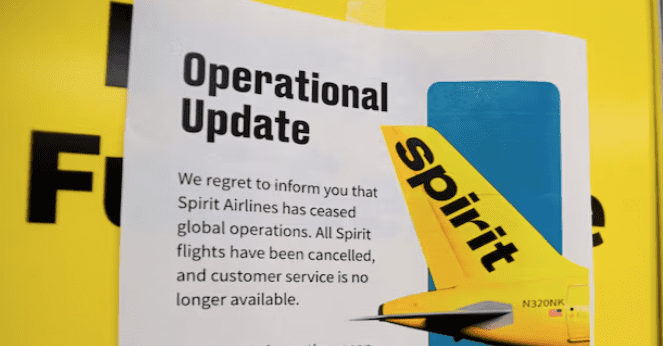
Spirit Airlines has grounded all flights, a stark reminder that hyper-optimized supply chains are brittle. The collapse underscores a critical business lesson: efficiency alone isn't enough.
The fragile dance of global trade is getting rough. Geopolitical flare-ups and relentless shipping snarls aren't just headlines; they're actively redrawing supply chain maps.