For months, the chatter in shipping circles wasn’t just about capacity or rates, but about the ever-present specter of the Strait of Hormuz. Everyone expected carriers to absorb the longer routes, tacking on surcharges and praying for a swift de-escalation. Well, it turns out prayer isn’t always the best strategy. MSC Mediterranean Shipping Co. SA, the titan of container shipping, has just ripped up the conventional playbook, announcing a new service that bypasses the volatile waterway entirely, and it’s a doozy. They’re not just adding port calls; they’re building a land bridge.
The Strait’s Shadow Looms Large
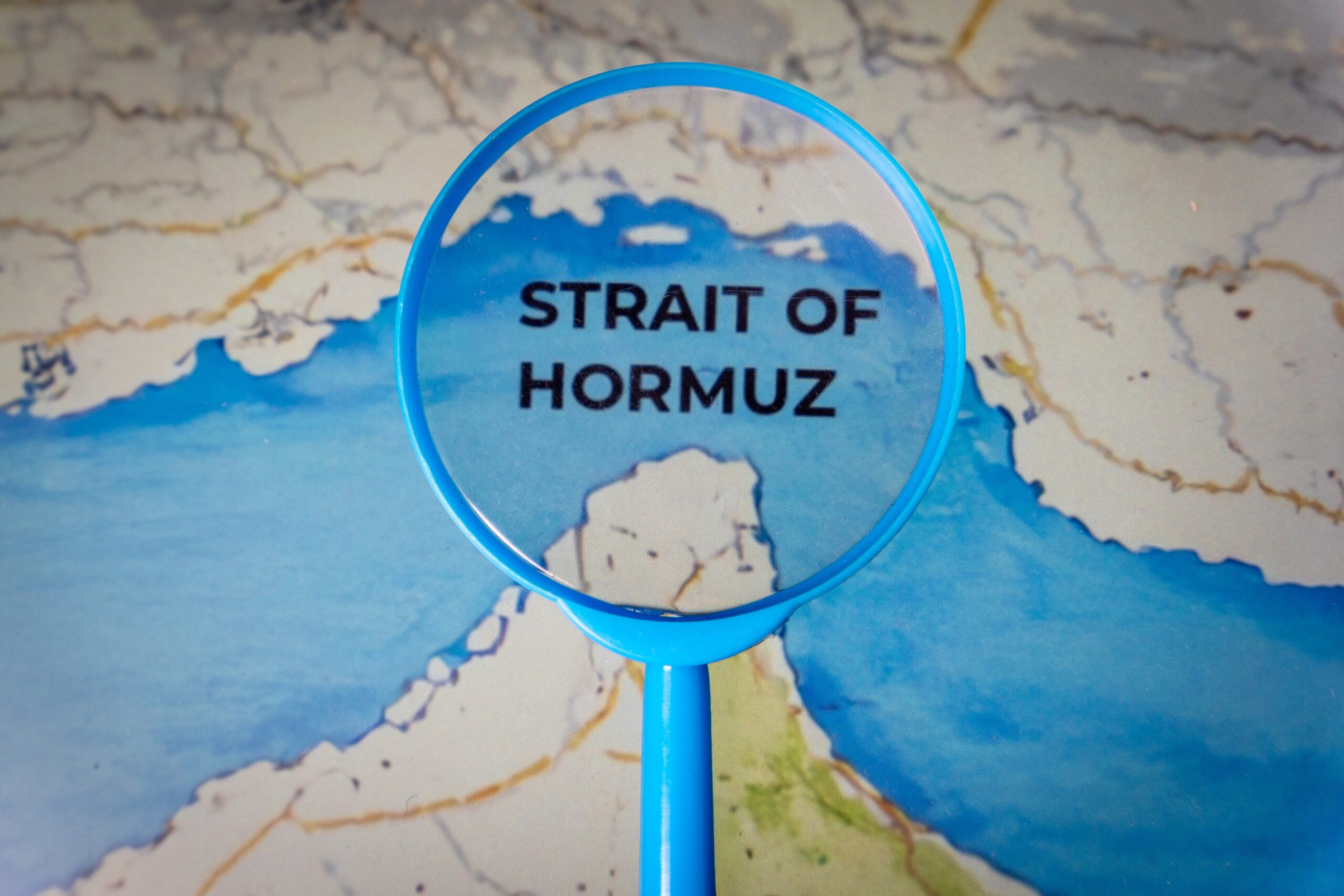
Traffic through the Strait of Hormuz, that critical artery for global energy and goods flowing into and out of the Persian Gulf, has been anything but smooth since late February. The political and military exchanges between the U.S., Israel, and Iran have effectively choked off the free passage of vessels. The expectation was that carriers would, as they often do, simply swallow the added transit times and costs, passing them along to consumers and businesses. But the reality on the ground — or rather, on the water and soon, on the road — is forcing a more radical approach.
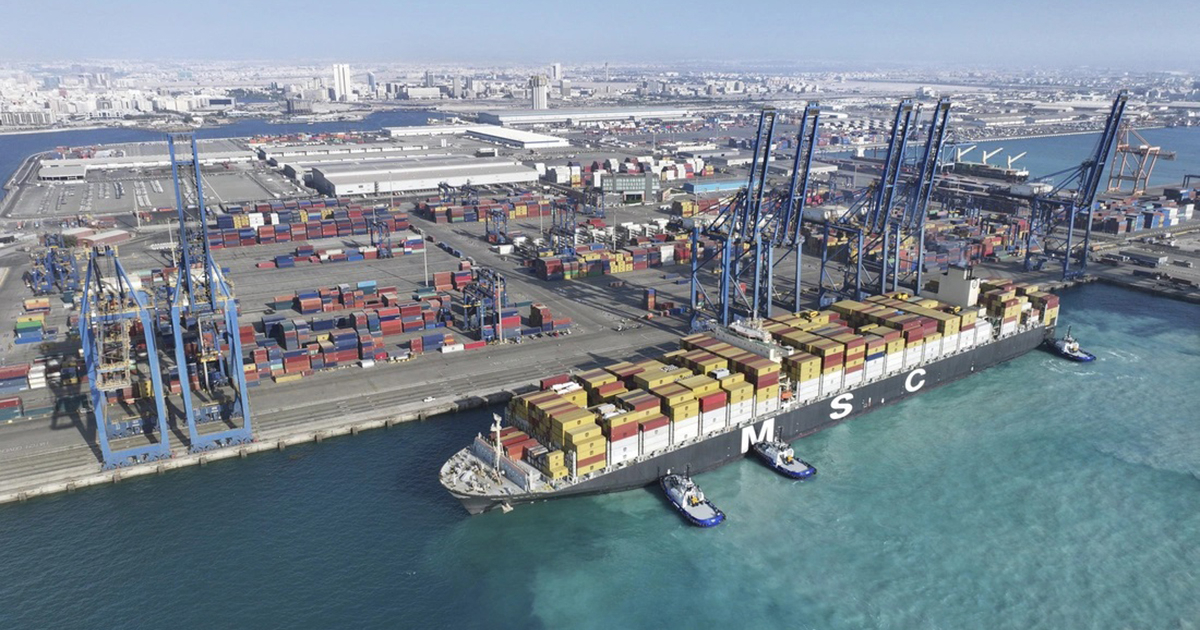
The new MSC route, kicking off May 10th from Antwerp, isn’t for the faint of heart or the impatient. It’s a complex, multi-modal ballet. Ships will transit the Suez Canal, head into the Red Sea, and then call at Saudi Arabia’s western ports, Jeddah and King Abdullah. This is where things get interesting. Instead of continuing the maritime journey through Hormuz to reach major hubs like Dubai and Abu Dhabi, MSC is deploying trucks.
Saudi Arabia: The Unlikely Middleman
This is the core of MSC’s gamble: leveraging Saudi Arabia’s nascent trucking infrastructure to move containers overland from the Red Sea coast to the Arabian Gulf. The proposed route, stretching about 800 miles and passing through the capital, Riyadh, will ferry containers to Dammam on the east coast. From Dammam, smaller feeder vessels will pick up the cargo, distributing it to ports like Abu Dhabi and the aforementioned Jebel Ali in Dubai. These are the very same industrial powerhouses that have been crippled by the restricted access through Hormuz.
Hapag-Lloyd and Maersk, two other giants in the shipping world, have already been dabbling in similar “landbridge” solutions across Saudi Arabia and Oman. MSC’s move, however, with its sheer scale as the world’s largest carrier, signals a more pronounced commitment to this hybrid model. It’s a clear acknowledgment that the geopolitical friction isn’t a temporary hiccup; it’s a structural shift demanding new, albeit more complicated, supply chain architectures.
MSC said the offering is in response to growing demand amid the “challenging scenario in the Middle East.”
That’s an understatement. The “challenging scenario” translates directly into lost revenue and operational headaches for multinational corporations reliant on predictable cargo flows. This isn’t just about avoiding a strait; it’s about finding resilience when traditional maritime pathways become unreliable.
The Unseen Costs of the Overland Pivot
Let’s be clear: this isn’t a smoothly, cost-free workaround. Trucking across a continent, even one as vast and historically significant as Saudi Arabia, is inherently more expensive and time-consuming than moving containers by sea. The carbon footprint, too, will undoubtedly increase. The longer transit times mean longer inventory holding periods, impacting working capital. And what happens when that trucking capacity is strained? We’ve already seen surges in demand for trucking services in Oman and the UAE’s eastern coast as containers are diverted away from ports directly affected by the Strait closure. MSC’s new route, by design, will add another significant layer of demand for trucking services in a region where that infrastructure might not be fully scaled to accommodate it.
This strategy, while a pragmatic response to immediate crisis, raises fundamental questions about long-term supply chain design. Are we seeing a permanent shift towards greater reliance on multimodal solutions in regions prone to geopolitical instability? The costs associated with such operations — increased fuel consumption, higher labor requirements for trucking, and the potential for bottlenecks at transshipment points — are substantial.
Perhaps the most critical aspect here is the implicit message MSC is sending: the Strait of Hormuz, for all its historical significance, might be becoming an unreliable highway. This strategy, while born of necessity, could well become a template for other carriers looking to de-risk their operations in the region, further fragmenting global shipping networks into more localized, overland-connected hubs. It’s a bold move, and one that speaks volumes about the shifting realities of global trade.
🧬 Related Insights
- Read more: FedEx Freight’s Scale Play: Network Muscle for Revenue Gains or Just Talk?
- Read more: Egypt’s 10th of Ramadan Dry Port: Where Desert Meets Digital Trade Revolution
Frequently Asked Questions
What is MSC’s new route? MSC is launching a new service that avoids the Strait of Hormuz by using trucks to move containers across Saudi Arabia from the Red Sea coast to the Arabian Gulf.
Will this new route be faster or cheaper? No, this route is expected to be longer and more expensive than traditional routes that transit the Strait of Hormuz due to the added complexity of trucking and feeder vessel operations.
What are the alternatives MSC considered? MSC and other carriers have been exploring multimodal solutions, including overland trucking and landbridge services, to bypass geopolitical chokepoints and ensure cargo delivery.