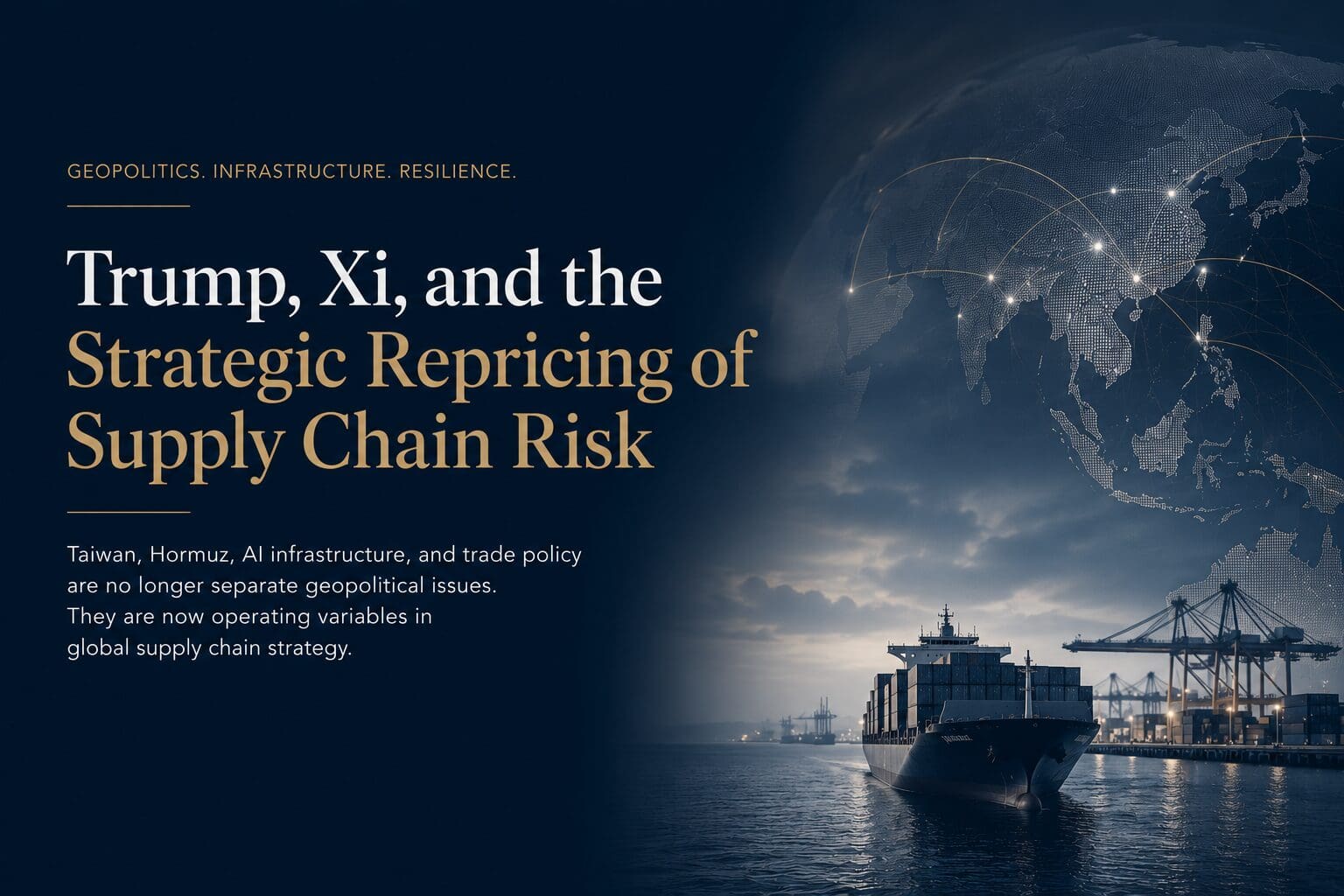
Everyone expected global sourcing to keep churning along, a finely tuned machine optimized for the lowest possible cost. Predictable trade flows. Long, lean supply chains. It was a nice, neat package.
Well, guess what? That package just got tossed in the shredder.
Tariffs. Geopolitical tantrums. Shifting alliances. The works. Suddenly, companies aren’t just looking at price tags; they’re eyeing stability. Diversification is no longer a nice-to-have; it’s the price of admission to the global market.
This isn’t about abandoning international trade altogether. It’s about a seismic rethinking of where, and how, things get made.
Tariffs: The Unwelcome Architect
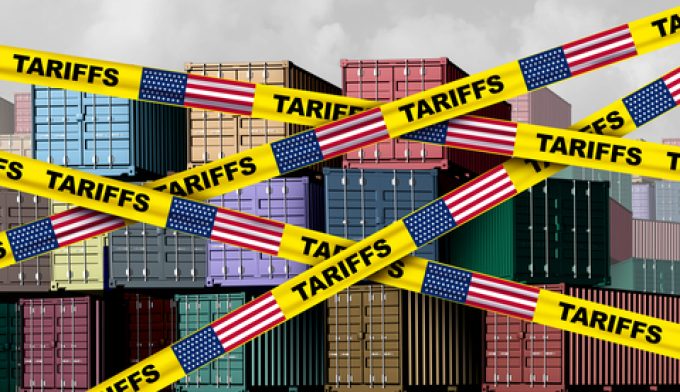
Trade protectionism. It’s become the unwelcome architect of modern sourcing. Tariffs have done more than just add a few dollars to imported goods; they’ve injected a healthy dose of ‘who the heck knows what tomorrow brings?’ into long-term planning. The old strategy of putting all your eggs in one low-cost basket? Utter madness now.
Companies are scrambling, yes, but not necessarily to abandon ship entirely. Instead, they’re building a life raft of alternative production sites. Places like Vietnam and India are getting a serious look. Established hubs aren’t obsolete, mind you, but they’re no longer the sole proprietors of production.
This isn’t a simple ‘out with the old, in with the new’ switch. It’s a multi-country dance. Flexibility is the new currency. If tariffs move, if a shipping lane chokes, if regional costs spike—companies need to be able to pivot. Fast.
The Rise of the Regional Crew
And then there are the regional supply networks. Nearshoring is the flavor of the month, or rather, the decade. Shorten those chains, duck the geopolitical landmines. For North America, that means Mexico and its neighbors are back in vogue. It’s not just about proximity; it’s about sanity.
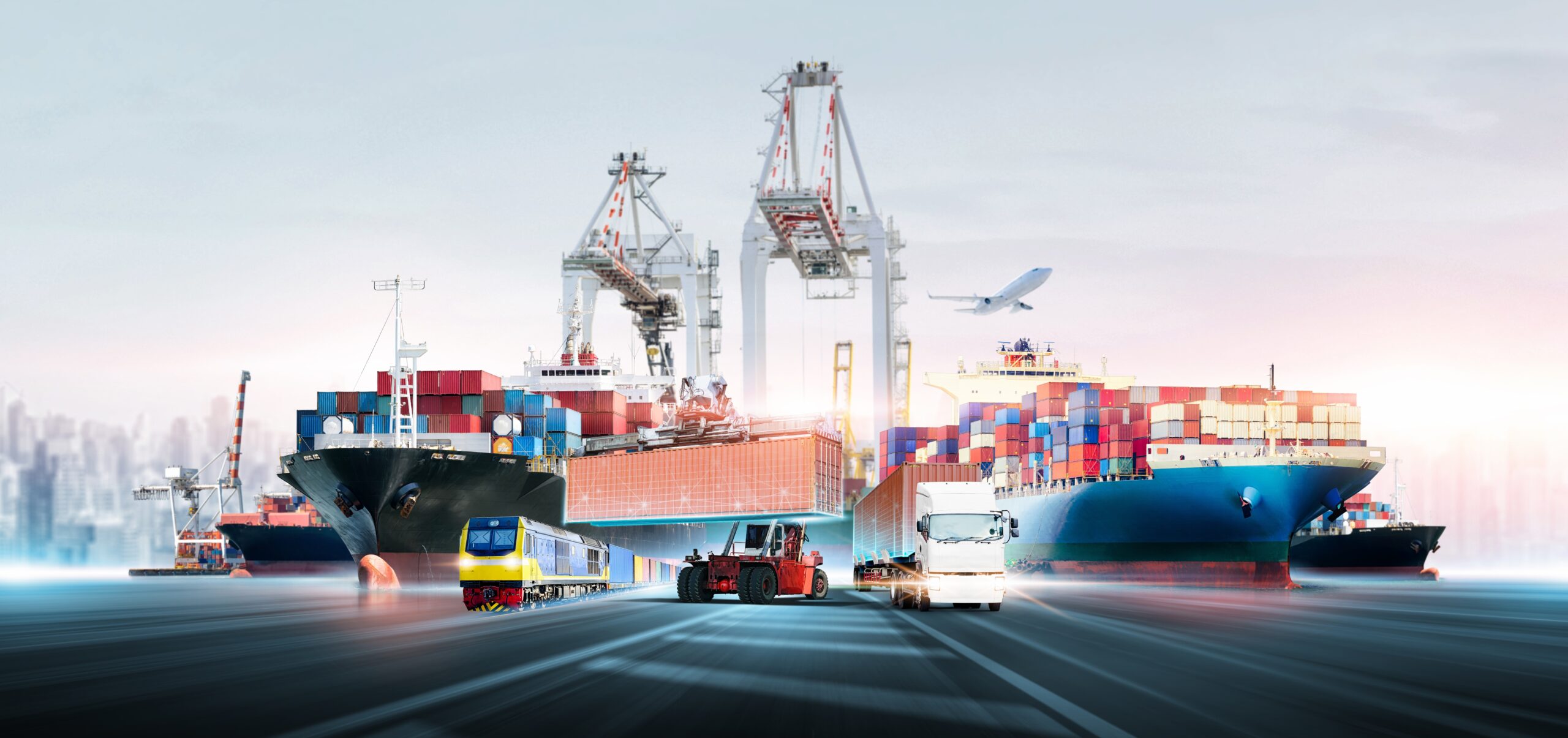
Shorter routes mean less time in transit. Better delivery windows. Lower shipping bills. Quicker responses when demand does its usual interpretive dance. In a world where disruptions are as common as bad airport coffee, regional hubs offer a comforting, albeit less glamorous, form of stability.
Shipping: Still a Wild Ride
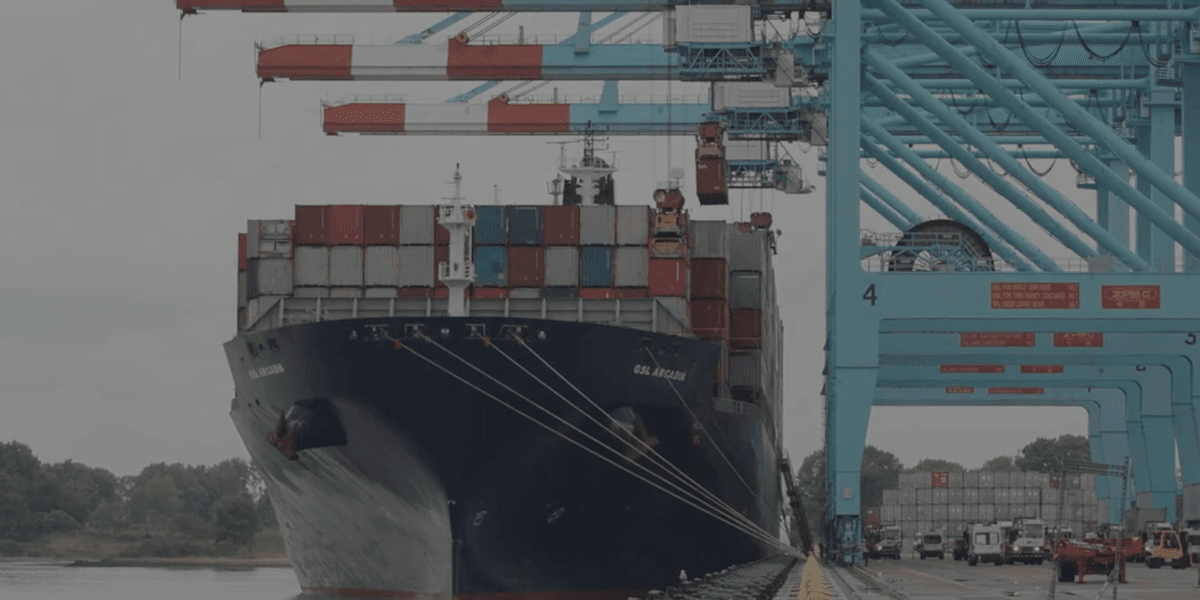
The shipping markets? After the rollercoaster of the last few years, they’re supposed to stabilize. More ships, less frantic demand. Good for the wallet, potentially. But don’t get too comfortable.
Geopolitics. It’s that unpredictable ex who shows up unannounced and messes everything up. A flare-up here, a blockage there, and suddenly freight rates are doing the cha-cha. Diversifying your shipping partners and having backup routes isn’t just smart; it’s essential.
Visibility: The Elusive Unicorn
As supply networks sprawl across more countries and countless suppliers, the need for visibility becomes paramount. Most outfits can track their direct suppliers. Good. But beyond that? It’s often a black hole. Compliance risks lurking. Performance dips. Hidden snags deeper down the line. All invisible.
When you can’t see what’s happening with your suppliers’ suppliers, you’re flying blind when things go sideways. This is why the digital tools are suddenly so appealing. Centralized data. Better collaboration. Real-time insights into what’s actually happening on the factory floor and in transit.
When teams across product development, sourcing, quality management, and logistics operate from the same connected data environment, it becomes easier to identify risks early and coordinate responses across the organization.
This isn’t just about making life easier; it’s about survival. Teams talking to each other, using the same information—it’s how you spot trouble before it becomes a catastrophe.
From Pennies to Protection
Let’s be brutally honest. For years, global sourcing was a laser-focused mission: slash costs. Find the cheapest place to make stuff. Efficiency was king. Now? Resilience and adaptability are the new monarchs.
Companies are building supply chains that aren’t just about cost, but about the ability to shift production, absorb shocks, and keep the wheels turning. It’s a tough pill to swallow for those who championed pure cost optimization. But the world changed. And so must they.
🧬 Related Insights
- Read more: GPS Under Siege: The Silent Threat to Supply Chains
- Read more: Oil Prices Are Wild Again—Supply Chains Can’t Afford to Guess
Frequently Asked Questions
What does trade fragmentation mean for supply chains? It means moving away from single, low-cost sourcing locations towards diversified, regional networks to mitigate risks from tariffs, geopolitics, and disruptions.
Is nearshoring the new global sourcing? Not entirely. Nearshoring is a growing trend as part of a larger diversification strategy, but many companies will still maintain global sourcing operations, albeit with more regionalized hubs.
Will this make products more expensive? Potentially, yes. The shift from pure cost optimization to resilience and diversification may introduce new costs, but it aims to prevent larger, more damaging disruptions that can be far more expensive in the long run.