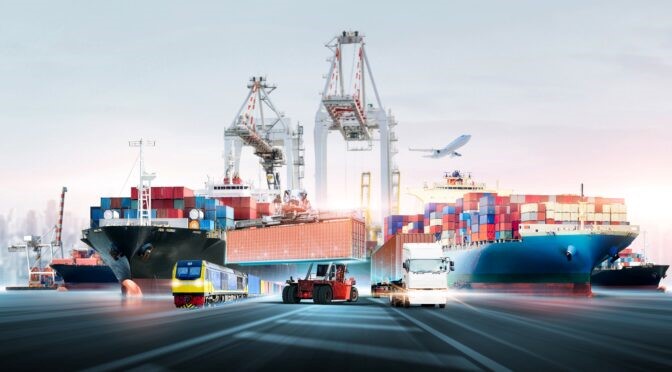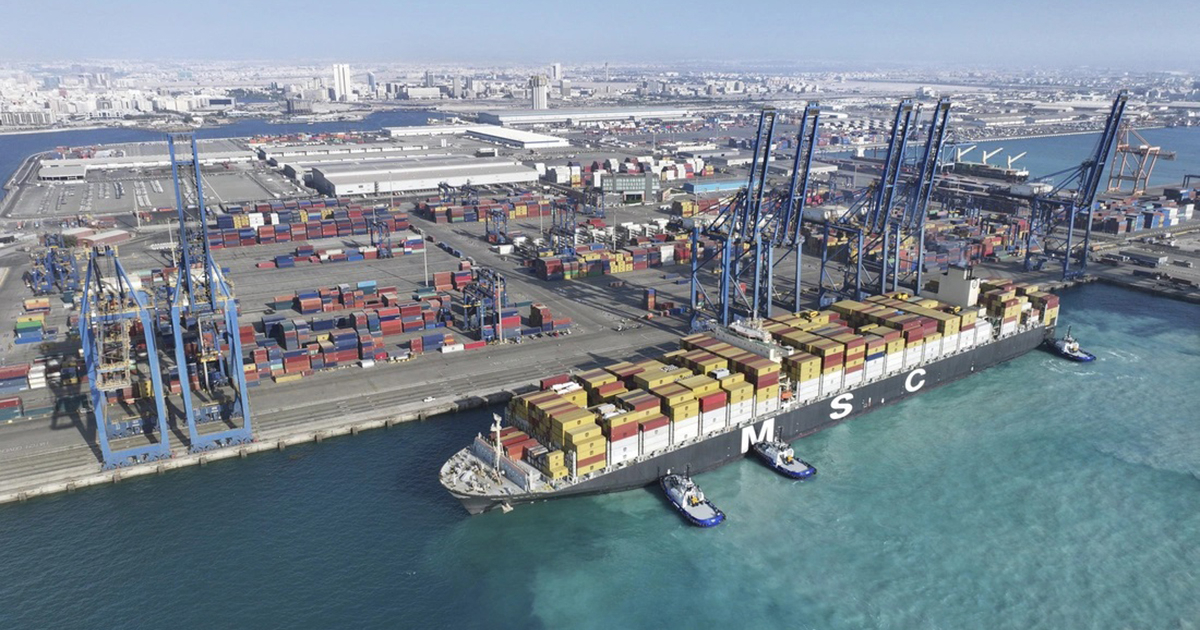
The sound of grinding gears—or perhaps, the click of metal on metal, as container ships dock and trains rumble inland—is the soundtrack to Saudi Arabia’s latest strategic gamble. Reports are surfacing that the Kingdom’s Public Investment Fund (PIF), the engine behind its ambitious Vision 2030, is exploring a monumental consolidation of its port, rail, and shipping assets. This isn’t just about creating another massive sovereign wealth fund holding; it’s a calculated move to forge a national logistics champion, a strategic lever in an increasingly fractured global trade environment.
At the heart of this potential behemoth are discussions to merge key entities. We’re talking about Bahri, the venerable national shipping company, alongside Saudi Global Ports and Saudi Railway Co. The goal? To weave a single, cohesive platform. One capable of not only attracting more foreign capital but critically, underpinning Saudi Arabia’s domestic industrial expansion and cementing its status as a bona fide global logistics hub.
While these deliberations are still in their nascent stages, the strategic rationale is as clear as a cloudless Arabian sky. Saudi Arabia isn’t merely looking to own pieces of the logistics puzzle; it’s aiming to command the entire trade corridor. This distinction is vital. In an era where geopolitical tremors and supply chain disruptions are becoming the norm, ports, railways, and shipping lines aren’t isolated infrastructure anymore. They’re components of a national economic operating system, designed for resilience.
Hormuz Has Raised the Stakes
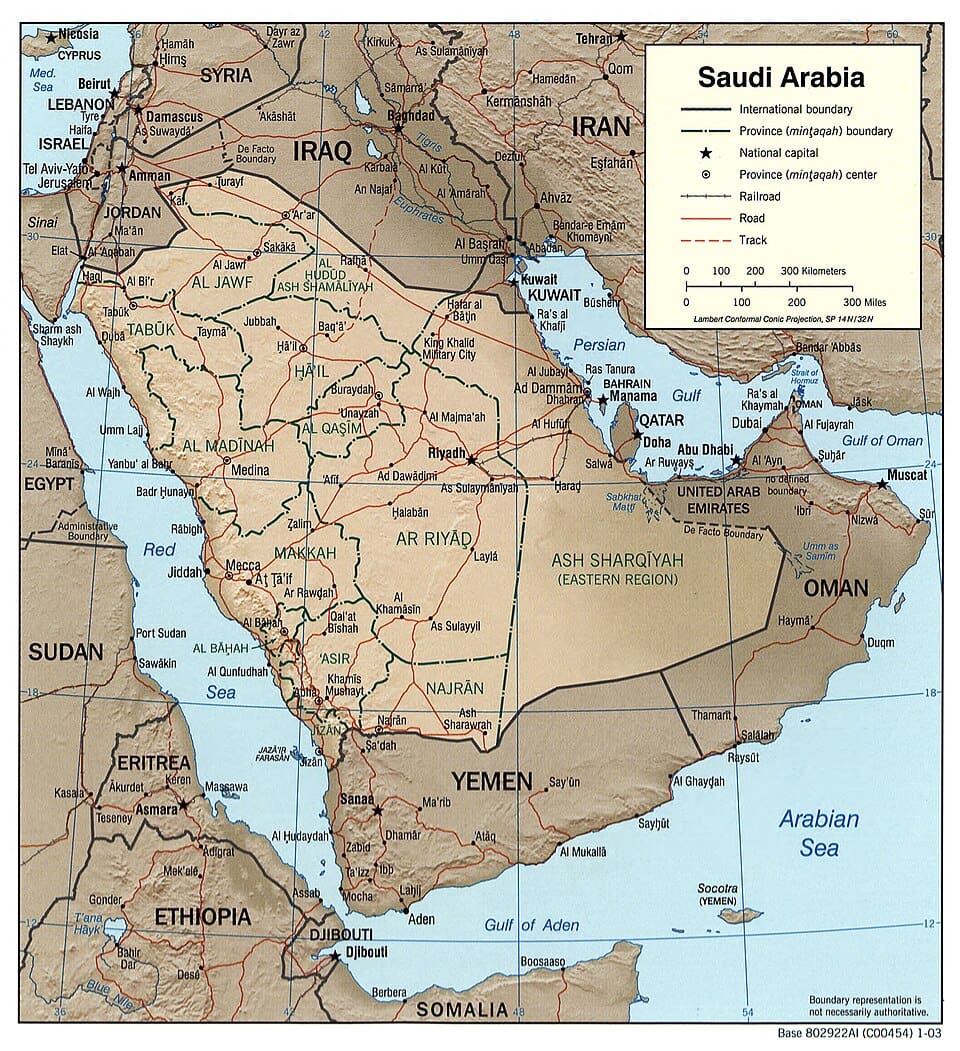
This push, though reportedly initiated before the current Middle East flare-up, now carries an added urgency. The Strait of Hormuz, a perennial flashpoint, serves as a stark reminder of how vulnerable global trade can be. Any prolonged disruption there forces a complete re-evaluation of route redundancies, port diversification strategies, and the value of strong inland alternatives. Suddenly, it’s not just about how fast a container can move or how cheaply it can be shipped; it’s about survivability.
For Saudi Arabia, the Red Sea’s extensive coastline transforms from a simple western boundary into a critical artery of strategic redundancy. When access through the Gulf becomes problematic, the value of east-west rail links, strategically placed dry ports, and well-connected inland logistics hubs skyrockets. This is why a PIF-led consolidation would be more than a mere financial engineering exercise; it would be a tangible move to bolster national resilience. A unified platform, orchestrating the flow of goods across maritime fleets, rail networks, and inland distribution points, promises a level of efficiency and agility that fragmented management simply can’t match.
Vision 2030 Already Points in This Direction
It’s crucial to understand that this isn’t a sudden, spontaneous pivot. Saudi Arabia’s National Transport and Logistics Strategy explicitly outlines an ambition to integrate various transport modes and logistics services, all in service of Vision 2030’s broader objectives. One of its stated pillars? Transforming the Kingdom into a premier logistics hub. This policy framework provides the essential backdrop, ensuring that the PIF’s actions are not happening in a vacuum but are deeply aligned with national economic directives. The National Industrial Development and Logistics Program further reinforces this, casting logistics as a linchpin in Saudi Arabia’s drive to emerge as a formidable industrial power.
Logistics, in this context, plays a remarkably multifaceted role within the Vision 2030 agenda. It offers a pathway to recurring, stable cash flows, critically supports and stimulates industrial development by ensuring efficient movement of raw materials and finished goods, acts as a magnet for much-needed foreign investment, and ultimately, enhances the Kingdom’s overall national competitiveness on the global stage. It’s a pragmatic approach to converting sheer geography into tangible economic and strategic advantage.
The UAE Is the Benchmark
When discussing national logistics ambitions in the region, it’s impossible not to look to the United Arab Emirates. Dubai’s meteoric rise as a global trade hub was inextricably linked to the development and strategic expansion of DP World and its flagship Jebel Ali port complex. Jebel Ali stands as a proof to how a world-class port and logistics infrastructure can establish a city-state as a critical regional trade gateway, radiating influence far beyond its borders. Abu Dhabi, not to be outdone, has cultivated its own logistics-driven economic growth engine through the AD Ports Group, which has become a significant contributor to the emirate’s non-oil GDP.
Saudi Arabia’s ambition, however, operates on a different scale. It benefits from a larger domestic economy, more profound industrial aspirations, dual access to both the Gulf and the Red Sea, and a sovereign wealth fund with the financial clout to engineer significant consolidation across its extensive asset portfolio. Yet, the competitive lesson learned from the UAE is undeniable: logistics can indeed serve as a foundational pillar for national economic strategy, transcending its traditional role as merely a transport service provider.
Bahri and Rail Matter Because This Is Not Just a Port Story
The credibility and potential impact of a Saudi logistics champion hinge on its ability to intricately link maritime, rail, and inland logistics assets into a truly integrated corridor model. Bahri’s inclusion is central to this logic. As the Kingdom’s national shipping carrier, its operations span a broad spectrum, encompassing crude oil transportation, chemicals, dry bulk cargo, integrated logistics solutions, and multipurpose cargo services.
Saudi Railway Co., on the other hand, brings the indispensable element of inland connectivity. Rail infrastructure proves its strategic might when it effectively bridges ports, industrial zones, vital dry ports, and sprawling consumption centers, thereby significantly diminishing reliance on potentially congested and vulnerable maritime chokepoints. This potent combination is what elevates the strategy beyond a simple port-centric approach. Ports provide the essential gateways to international markets. Shipping fleets offer the global reach to connect these gateways. And rail, in this envisioned integrated system, provides the critical inland arteries that move goods efficiently from port to factory, and factory to consumer, solidifying national control over its trade flows.
In a more volatile trade environment, ports, railways, shipping fleets, inland hubs, and data networks are no longer separate pieces of infrastructure. They are part of a national operating system for trade.
This integrated corridor approach is where the true value lies. It transforms Saudi Arabia from a passive participant in global trade to an active architect of its own logistical destiny. It’s about building a resilient, efficient, and strategically advantageous supply chain network that can weather global storms and power future industrial growth. The market, increasingly attuned to the fragility of existing networks, is watching.
🧬 Related Insights
- Read more: Byron Allen Buys BuzzFeed: What This Means for Digital Media
- Read more: Truck Safety Ratings: OEMs Embrace Third-Party Scrutiny
Frequently Asked Questions
What does Saudi Arabia’s logistics consolidation aim to achieve?
It aims to create a national logistics champion by integrating port, rail, and shipping assets, enhancing resilience, supporting industrial growth, and positioning Saudi Arabia as a global logistics hub.
Will this consolidation impact global shipping routes?
While not a direct rerouting plan, the creation of a more strong and potentially more efficient logistics network in Saudi Arabia could influence shipping choices for carriers and shippers seeking greater reliability and integrated corridor solutions.
Is this a response to current geopolitical tensions in the Middle East?
The reported discussions began before recent escalations, but the ongoing disruptions and concerns around chokepoints like the Strait of Hormuz have undoubtedly amplified the urgency and strategic importance of such a consolidation.