Inventory visibility is defense.
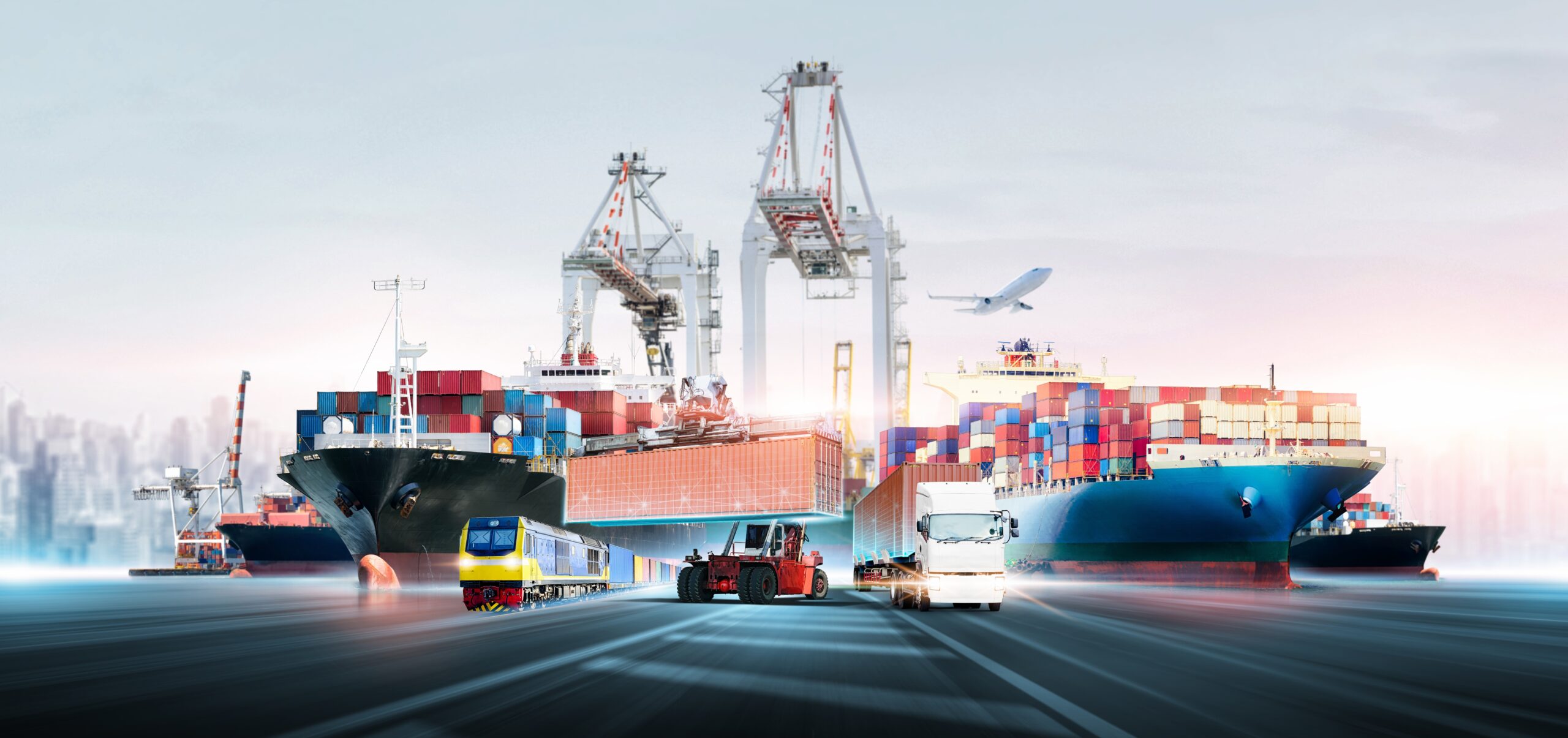
Look, we all know the world’s a messy place. Trade routes get choked, ports seize up, and suddenly that widget you need from Asia is stuck on a slow boat, possibly rerouted through a different continent entirely. The current flare-up involving Iran and the Strait of Hormuz is just the latest headline reminder. It’s not just about oil prices anymore; it’s about the fundamental availability of goods on retail shelves, from your fast fashion fixes to the medications sitting in your medicine cabinet. The interconnectedness that fuels global commerce is also its Achilles’ heel when geopolitical fault lines rupture.
When disruptions hit, the real killer isn’t just the delay itself, but the sheer, paralyzing uncertainty it creates. Retail supply chains are meticulously engineered around predictable lead times. You forecast demand, you order inventory, you expect it to arrive within a certain window to meet that demand. But what happens when that window cracks open? A shipment that should land in four weeks might take six. A carefully planned product launch pivots into a fire sale because critical stock is months late. Seasonal inventory becomes a costly gamble — arriving too early and sitting on shelves, or too late and missing the sales window entirely. Without knowing precisely what you have, where it is, and how fast it’s moving (or not moving), these events cascade into stockouts for popular items and mountains of unsellable goods elsewhere. Both scenarios are poison to margins and, more importantly, to customer loyalty.
Historically, retailers have tried to buffer against this volatility with fairly blunt instruments: socking away more safety stock on key products, scrambling for alternative suppliers (often at a premium), and adjusting replenishment cycles to build in more cushion. These are sound ideas, sure. But the execution? It’s entirely dependent on having accurate, timely data. If you don’t know what’s truly in transit, what’s on the water, and what’s sitting idle in a warehouse across the country, even the most elaborate contingency plan is just a house of cards.
Is Real-Time Visibility Enough?
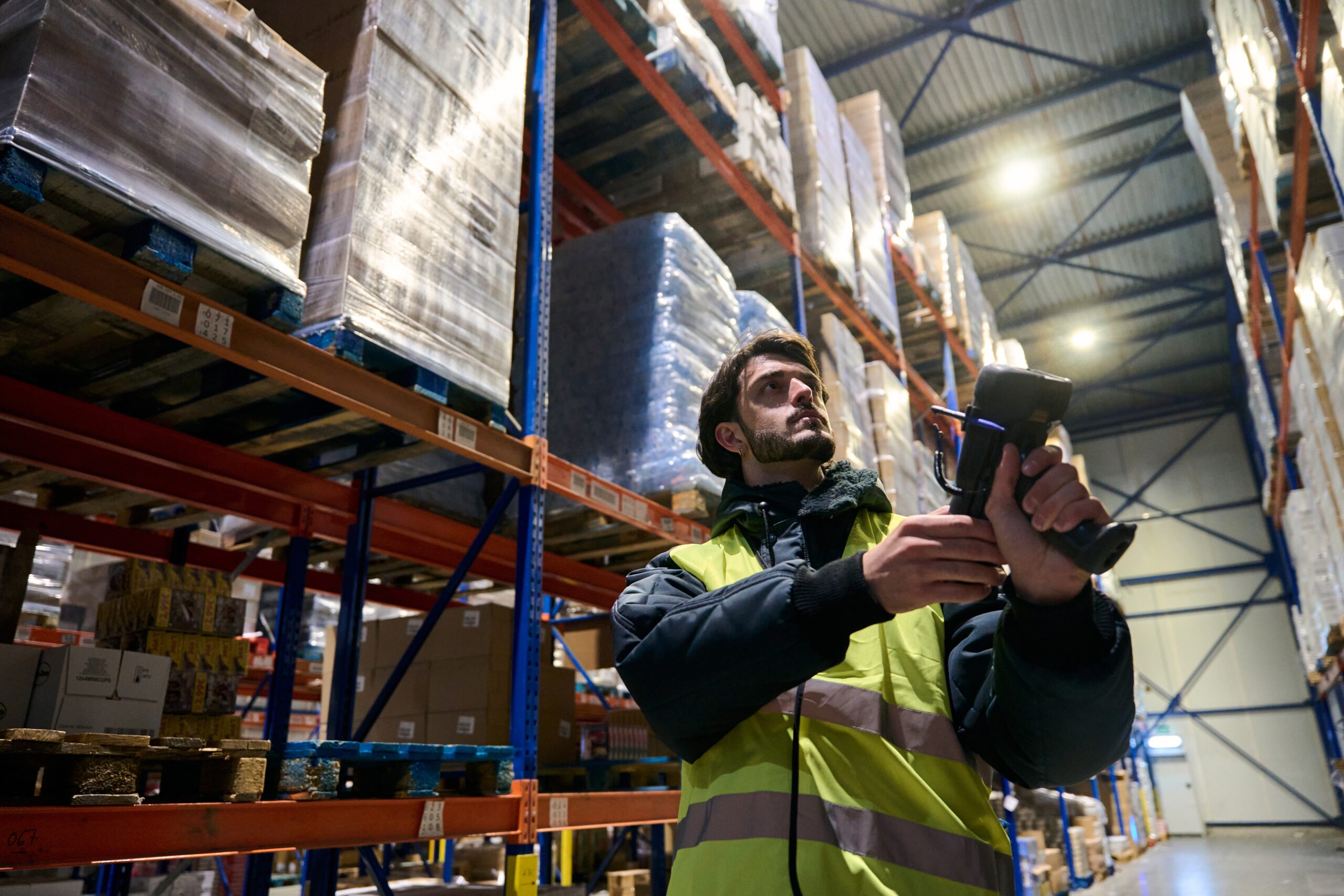
This is where the conversation shifts from operational niceties to outright strategic imperative. In a world where trade routes can become flashpoints overnight, knowing your inventory status in real-time, across every node of your network – warehouses, distribution centers, even your third-party logistics providers – isn’t just a nice-to-have. It’s the foundational element of resilience. Retailers that have this visibility can stop playing defense by reacting to crises. Instead, they can proactively rebalance inventory between fulfillment centers, reroute demand to alternative locations with available stock, and prioritize those high-demand items that keep customers coming back. Imagine a shipping lane being unexpectedly closed: with strong visibility, a retailer can instantly see alternative stock elsewhere and continue fulfilling orders without a hitch. That’s not luck; that’s data-driven agility.
Agility: The New Retail Resilience
The last decade has taught us, rather brutally, that supply chain disruptions aren’t outliers; they’re the new normal. From pandemics to regional conflicts to resource scarcity, volatility is baked in. True resilience, then, isn’t about building an impenetrable fortress against every possible risk – that’s an impossible, and incredibly expensive, endeavor. It’s about the speed and effectiveness of your response when the inevitable shockwaves hit. Retailers still grappling with fragmented data often only discover a disruption when the customer experience is already tarnished. Those with centralized, intelligent inventory data, however, can see the tremors long before they become earthquakes and adapt their fulfillment strategies, reallocate stock, and adjust sales plans on the fly. It’s about adapting, not just enduring.
When manufacturing hubs slow down, shipping routes change, or ports face congestion, that predictability disappears. Suddenly, schedules and forecasts are unreliable.
The current geopolitical climate, with its tangible impact on global trade routes, isn’t just a news cycle. It’s a powerful, albeit unwelcome, catalyst forcing a fundamental rethink of retail operations. The lesson here is stark: operational agility, powered by unassailable inventory visibility, is the only viable defense against the increasingly volatile world of global commerce. Those still relying on rearview mirror data and gut feelings will find themselves increasingly outmaneuvered and out of stock. The time to invest in that visibility isn’t when the next crisis hits; it’s right now.
🧬 Related Insights
- Read more: Europe-Africa Trade Shift: Volumes Flip
- Read more: Freight Upcycle? Schneider Sees a Shift.
Frequently Asked Questions
What is inventory visibility? Inventory visibility refers to the real-time tracking and understanding of where a company’s stock is located across its entire supply chain network.
How do geopolitical tensions affect retail inventory? Geopolitical tensions can disrupt manufacturing, alter shipping routes, increase transportation costs, and cause port congestion, leading to delays and uncertainty in inventory availability.
Why is inventory visibility crucial for retailers? It allows retailers to respond quickly to disruptions by rebalancing stock, rerouting shipments, and prioritizing products, thereby minimizing lost sales and protecting customer experience.