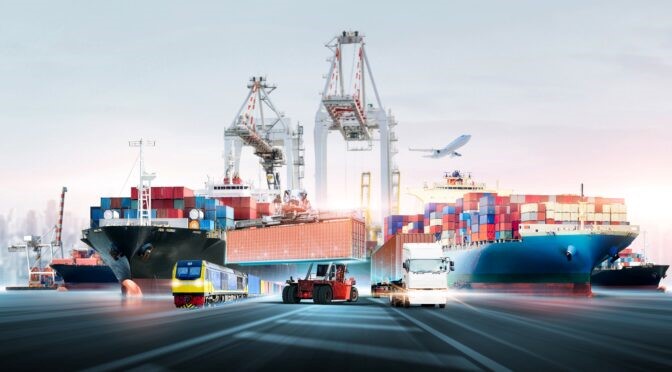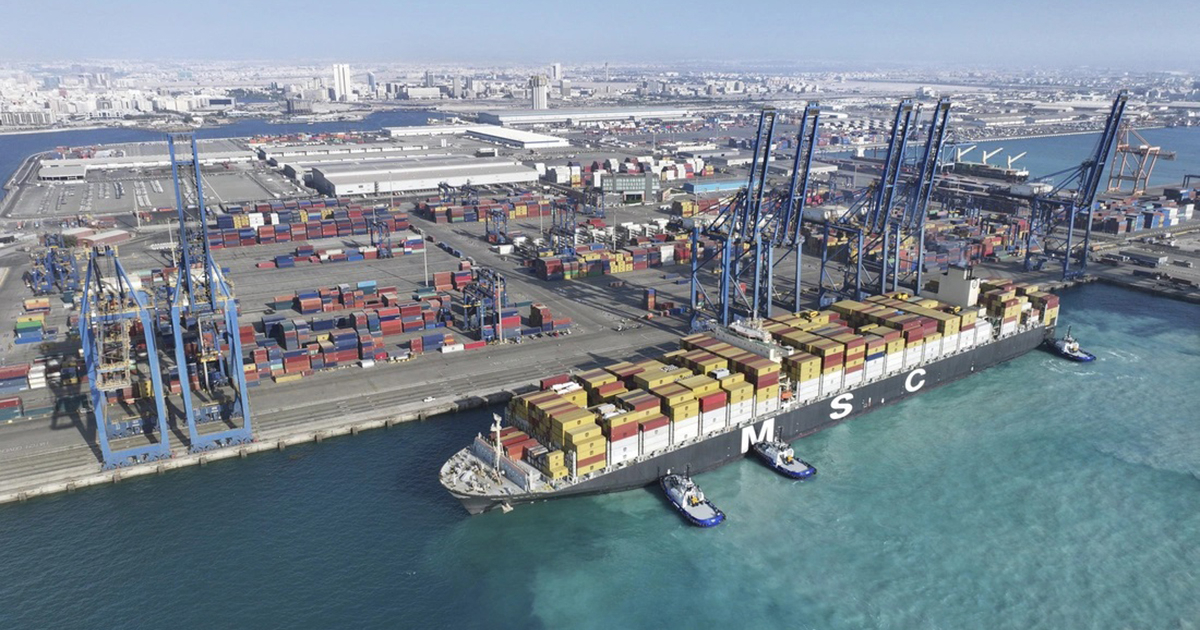
A drone’s-eye view of the Port of Los Angeles, a shimmering expanse of intermodal chaos, reveals a system straining under its own immense weight. That image, now familiar from countless news cycles, is precisely what the U.S. Department of Transportation is trying to re-engineer.
The 2026 National Freight Strategic Plan (NFSP) isn’t just another bureaucratic document detailing road repairs and bridge inspections. It’s a bold, if somewhat dry, pronouncement that the nation’s freight network has finally, and formally, been elevated from a collection of physical assets to a strategic national operating system. For those of us who’ve watched supply chain discussions ping-pong between siloed concerns for years, this represents a significant, and frankly overdue, architectural re-evaluation.
Remember when freight was just about getting stuff from point A to point B, usually via the cheapest highway or rail line? The NFSP tosses that rearview mirror aside. It posits that freight is now central to national resilience, energy security, industrial competitiveness, and the very modernization of our logistics backbone. This isn’t just rhetoric; it’s a fundamental reclassification of what freight infrastructure actually is.
Beyond Bricks and Mortar: Freight as the Nervous System
The plan’s six stated priorities—safety, efficiency, security, resilience, innovation, and workforce capability—aren’t new. They’re the usual suspects in any transportation policy discussion. But their arrangement and emphasis within the NFSP paint a different picture entirely. They’re not just features; they’re essential functions of a complex, interconnected organism.
For decades, the problem has been this: policy and funding treated modes of transport as separate islands. Highways? One budget. Ports? Another. Rail? Yet another. This fragmented approach directly contradicted the reality of modern supply chains, which are inherently multimodal, interdependent, and, critically, data-intensive. The NFSP acknowledges this interdependence, recognizing that a bottleneck at a port can ripple through rail, then highway, and ultimately cripple warehouse operations.
This is where the plan’s emphasis on efficiency transcends mere traffic flow. It’s about optimizing the orchestration of existing capacity. Think less about building more highways and more about making the ones we have, and the ports and rail yards they connect to, talk to each other more effectively. It’s about synchronizing schedules, streamlining customs processes, and ensuring that a surge in one area doesn’t create a catastrophic stall in another.
The freight system behaves as a network, not as a collection of isolated assets.
This network-centric view naturally leads to the plan’s focus on data. Public agencies, much like private companies, have struggled with visibility. Where are the choke points? What are the viable alternative routes when the primary one is blocked? How effectively is infrastructure being utilized? Without answers to these questions, effective management is impossible. The NFSP implicitly argues that the freight network, much like a modern IT system, needs strong telemetry and analytics to function optimally.
Security and Resilience: No Longer Afterthoughts
Perhaps the most striking shift is the elevation of security and resilience. These are no longer relegated to the ‘nice-to-have’ column, tacked on after core functionality is addressed. The plan calls out everything from national defense mobility and cargo theft (which has grown alarmingly sophisticated) to the sprawling cybersecurity risks inherent in interconnected logistics systems.
This isn’t just about protecting cargo from physical theft. It’s about safeguarding the digital infrastructure that underpins it: transportation management systems, port operating platforms, telematics in trucks and ships, even the communication networks between carriers. A cyberattack on one node could, in theory, bring large swathes of the physical network to a standstill. The NFSP recognizes this digital fragility.
Similarly, the discussion around resilience moves beyond simply having more inventory on hand. It’s about understanding systemic vulnerabilities. Where are the single points of failure? Which corridors are indispensable for critical supplies like energy, food, or medical equipment? Which intermodal hubs, if disrupted, could trigger cascading failures across the entire network? These are no longer niche concerns for risk managers; they are central questions for national economic stability.
My Take: The “Operating System” Analogy Is the Real Game-Changer
Here’s the thing that really sets this plan apart, beyond its official pronouncements: the explicit framing of freight as a “national operating system.” For too long, freight infrastructure has been treated as inert plumbing. But if it’s an operating system, then it requires not just maintenance, but also updates, security patches, sophisticated monitoring, and intelligent routing protocols.
This mental model shift is crucial. It implies that freight isn’t just about moving bits of matter; it’s about managing flows of goods, information, and energy in a way that’s dynamic, adaptive, and secure. It suggests a future where AI-driven optimization, predictive analytics, and real-time network visibility are not just desirable add-ons, but core components of the system itself. The challenge, of course, will be stitching together the myriad public and private entities that operate within this system, convincing them to share data and coordinate their actions. That’s the true test of whether this “operating system” can be successfully deployed and maintained.
The plan’s challenge lies in execution: translating these strategic priorities into tangible funding, coordinated action, and actual modernization across a vast and complex network. But the conceptual leap—from a static collection of infrastructure to a dynamic, national operating system—is a powerful reframing that could fundamentally alter how we build and manage the arteries of American commerce.
🧬 Related Insights
- Read more: AI Isn’t Magic, It’s Integration
- Read more: Port Authority’s New CEO: From MARAD to Lobbying