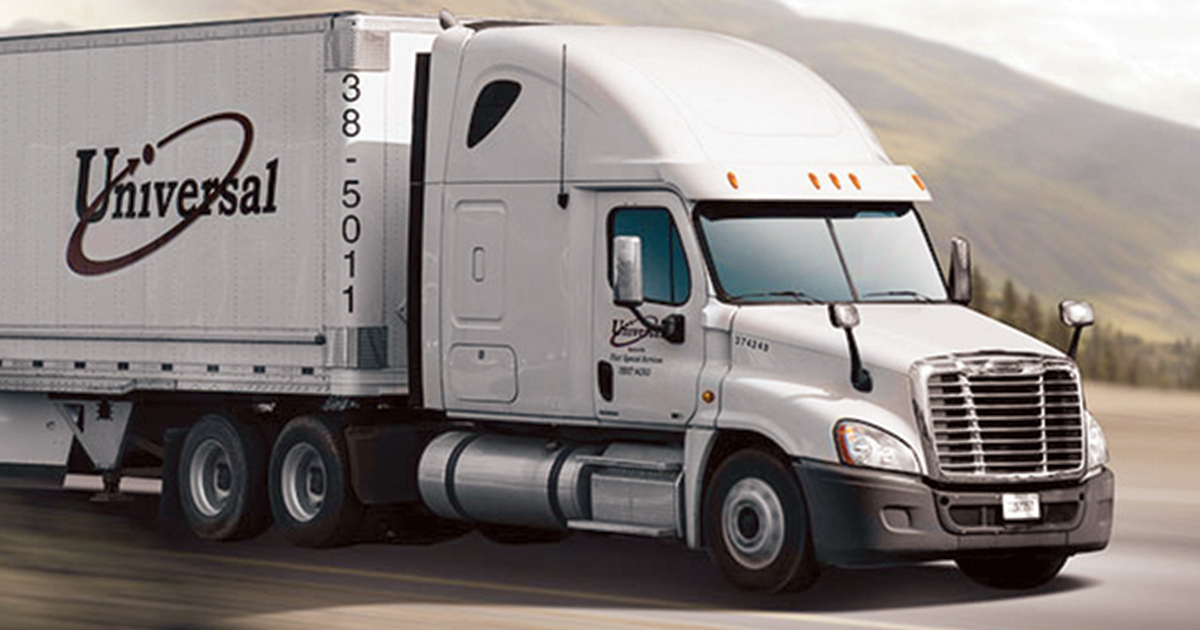
Universal Logistics Q1 Loss [Analysis]
A $3.51 million net loss. That's the grim headline from Universal Logistics' first quarter. But dig deeper, and you'll find a story of shifting currents in freight.
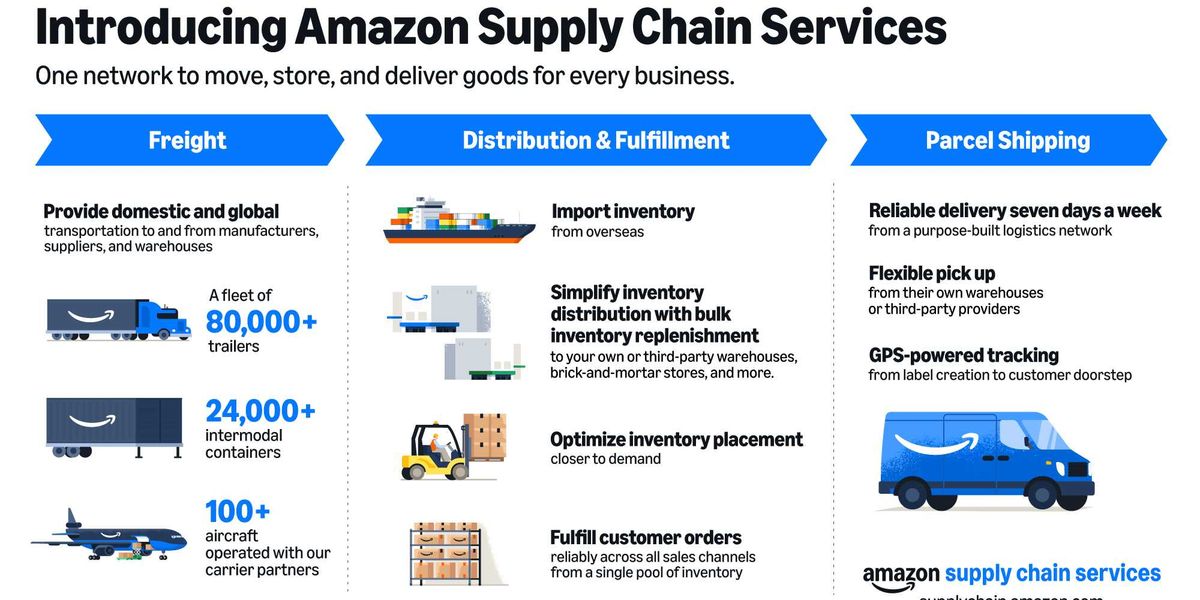

Amazon, the undisputed king of e-commerce, is finally opening its cavernous warehouses and complex transportation network to the masses. The question is: are they playing benevolent logistics overlord or just expanding their empire yet again?
Amazon's just fired a shot across the bow of the global shipping industry. The e-commerce giant is now officially offering its supply chain services to other businesses, and the market is reacting.
Amazon Supply Chain Services, once an internal engine, is now a public offering. The question: can it truly disrupt the established players, or is this a calculated land grab?
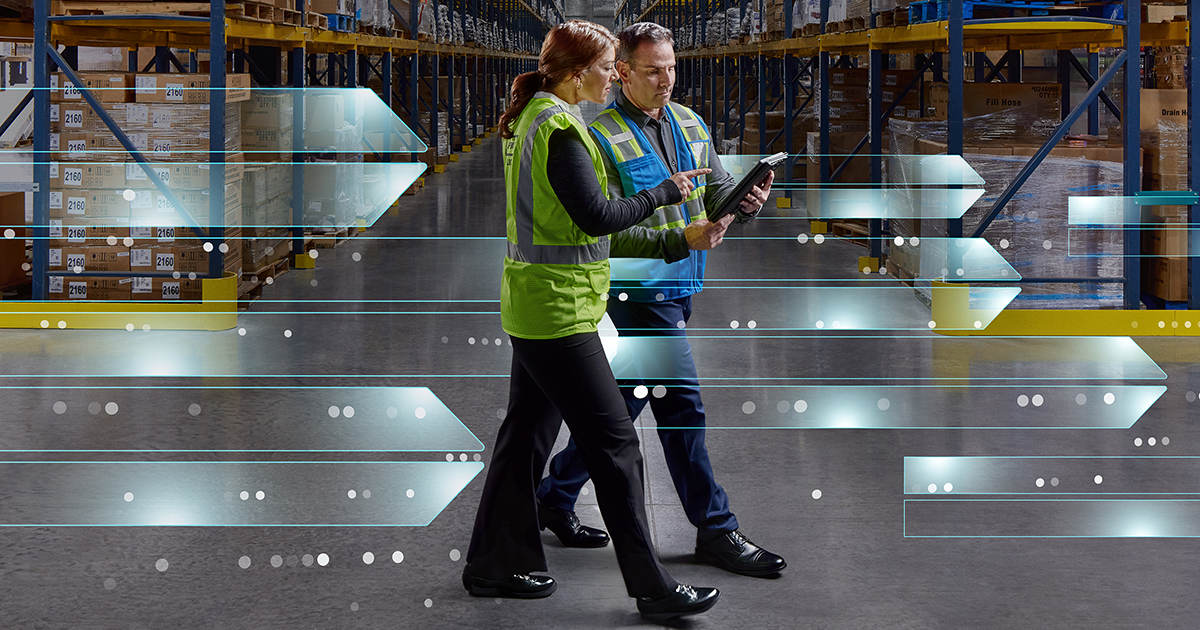
AI is no longer a futuristic fantasy for supply chains; it's a present-day reality for a majority of shippers and 3PLs. Yet, the true power of these intelligent systems is being throttled by a surprisingly old problem: disconnected data.
We've spent years building eyes for our supply chains, but now it's time to give them a brain. Decision intelligence is emerging as the vital operating layer, turning raw data into decisive action.
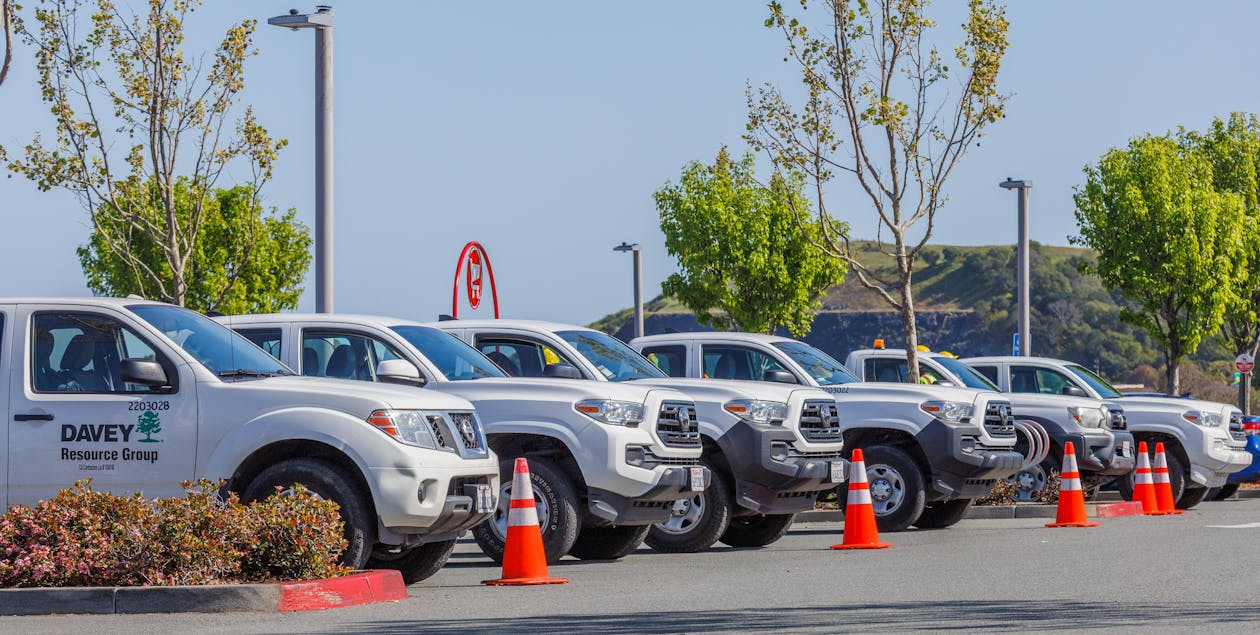
Your delivery truck is costing more in repairs than it's worth. Logistics companies wrestle with a question as old as combustion engines: when do you pull the plug on a fleet vehicle?
After a digital detox in Spain, the journalist returns to a world buzzing with geopolitical tension, tariff drama, and AI advancements. The supply chain hasn't stopped.
Hilton Food Solutions is leaning on CEVA Logistics for a three-year cold chain expansion. It's all about keeping that fancy seafood frosty and those premium meats chilled.
Stop pretending your delivery fleet is running at peak efficiency. It isn't. But maybe AI can help. We're talking hidden capacity, folks.
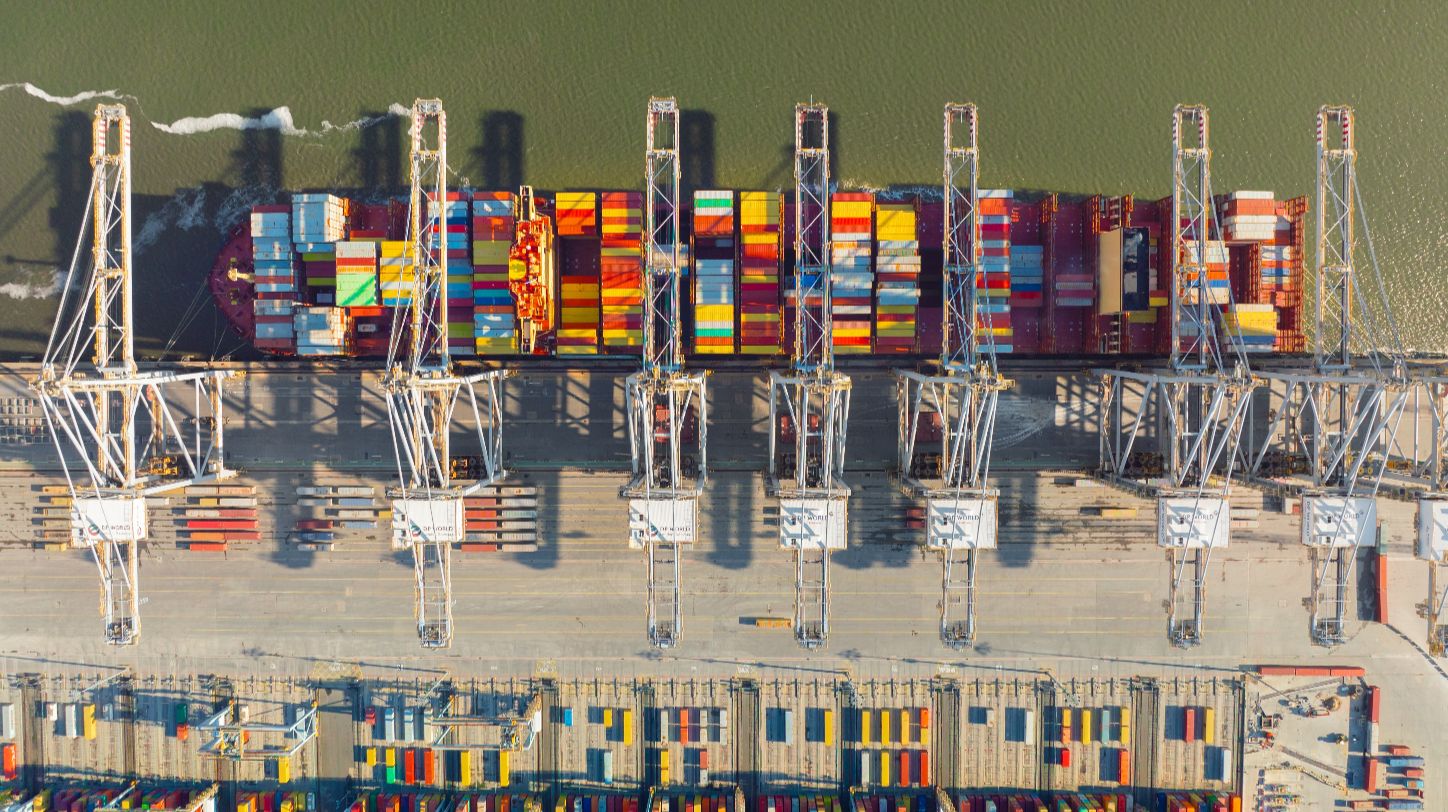
The Suez Canal's potential reopening for box carriers might be the signal for an overcapacity storm. Meanwhile, air cargo battles fuel woes, creating a volatile freight landscape.
The Maritime Administration just announced a $774 million injection into American ports. Sounds great, right? Let's peel back the layers and see if this is a genuine infrastructure play or just another photo op.
Customer expectations for instant e-commerce fulfillment are fundamentally outstripping the realities of global supply chains. The gap is widening, and businesses are struggling to keep pace.
The UK Ministry of Defence is teaming up with the SCALE Centre in a new pact aimed squarely at shoring up national defense supply chains. This isn't just about better logistics; it's about national security in an increasingly unpredictable world.
The cozy predictability of shipping rates took a hit. Gemini's space crunch has rival carriers laughing all the way to the bank.
The era of hyper-globalized supply chains, built on distant factories and cheap labor, is showing cracks. Now, businesses are eyeing closer horizons. But is this a real shift, or just another buzzword cycle?
The relentless growth of e-commerce has fundamentally reshaped logistics. Now, sophisticated Transportation Management Systems (TMS), supercharged by AI, are becoming indispensable for conquering the costly, complex final mile.
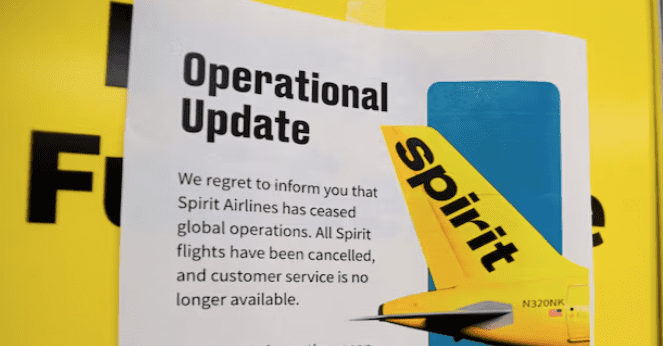
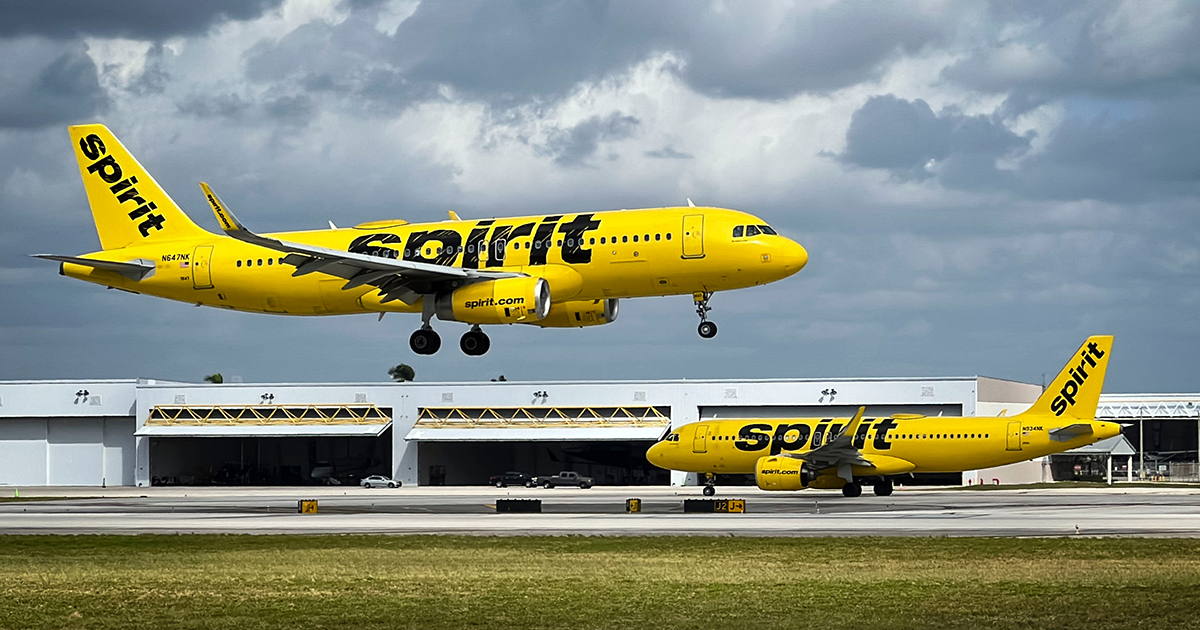
Spirit Airlines has grounded all flights, a stark reminder that hyper-optimized supply chains are brittle. The collapse underscores a critical business lesson: efficiency alone isn't enough.
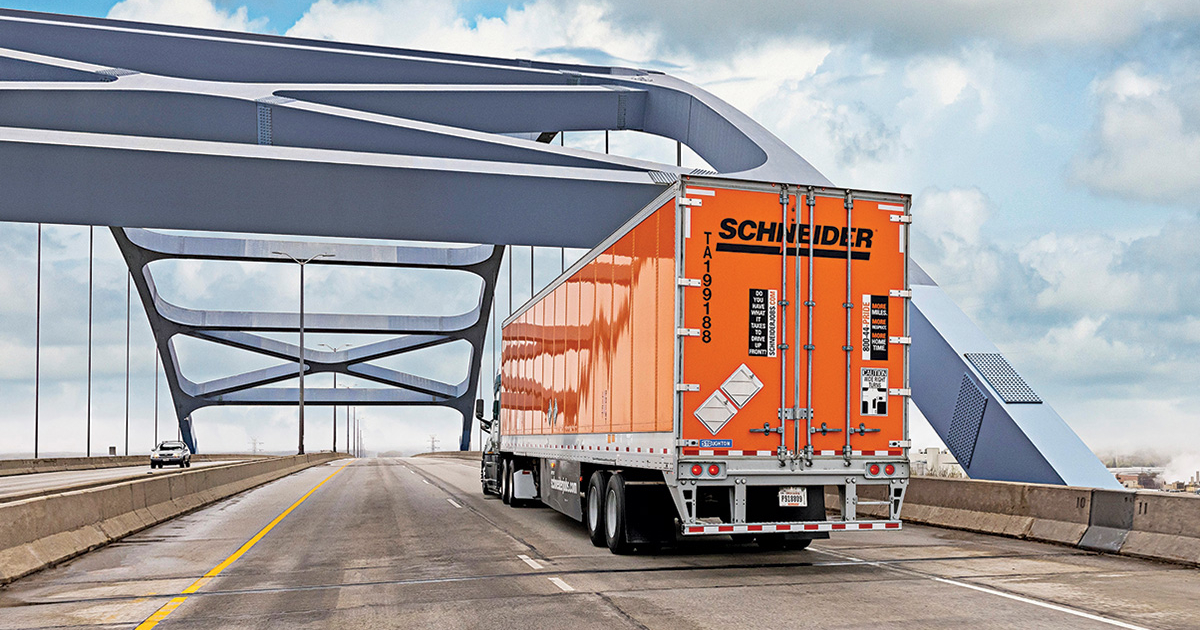
The road ahead for freight might just be getting clearer. Schneider's CEO is seeing signs of a long-awaited upcycle, fueled by tightening capacity.
The rumor mill is churning. Spirit Airlines, a name synonymous with budget travel, might be on the verge of folding.