The roar of dredging equipment, the clang of cranes—it’s the soundtrack of progress, or so they tell us. The Maritime Administration (MARAD) is tossing $774 million at American ports. Their pitch? Strengthening supply chains, cutting costs, and, naturally, creating jobs. Sean P. Duffy, the U.S. transportation secretary, chimes in with the usual rhetoric: keeping grocery shelves stocked, energy resilient, and exports strong. It’s all tied back to the “America First agenda,” which, in my book, usually means a lot of fanfare and a select few lining their pockets.
This isn’t exactly a new tune. Every administration, Republican or Democrat, trots out the “infrastructure investment” narrative. And sure, ports do need love. They’re the arteries of commerce, the first and last mile for so much of what we consume and export. More than 300 ports, the numbers say, operated by a tangled web of state, county, municipal, and private entities. Thirty-seven projects are getting a piece of this pie, spanning coastal, Great Lakes, and inland river hubs. Good for them. But let’s get real.
Who’s Actually Making Money Here?
This is the question, isn’t it? $774 million is a lot of taxpayer dough. MARAD’s Port Infrastructure Development Program (PIDP) is the vehicle, and its stated aim is modernization. Modernization means new equipment, better technology, improved logistics. Who manufactures that equipment? Who designs that technology? Who provides the labor to install it? You guessed it: big corporations, often with deep ties to the very political circles that announce these funds. It’s a predictable cycle: government money flows, established players get bigger, and the public gets a press release touting progress.
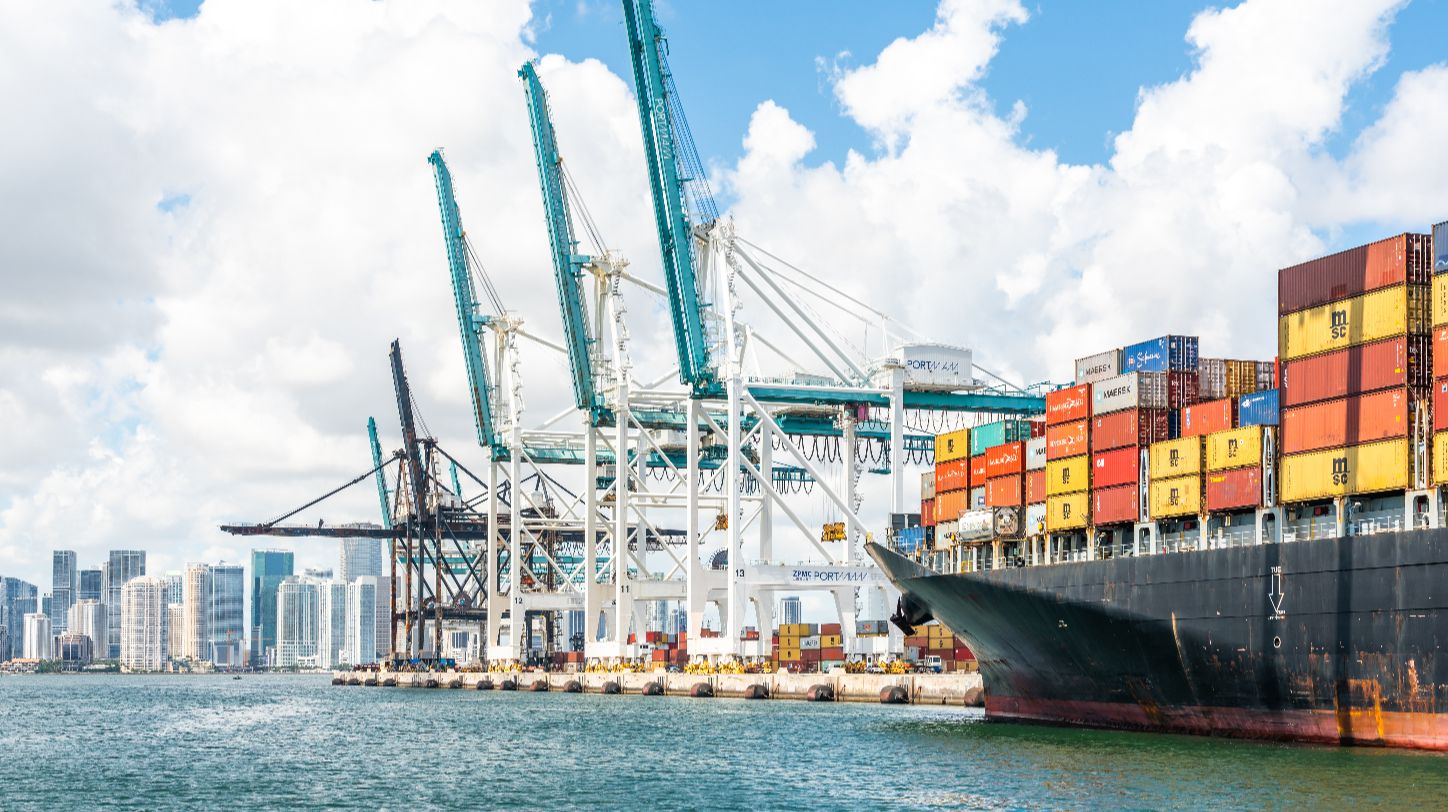
Think about it. When a port upgrades, it needs new cranes, new terminal operating systems, more efficient berths. These aren’t small, mom-and-pop operations. These are multi-billion dollar enterprises that manufacture the heavy machinery and software. My guess? A significant chunk of this $774 million will find its way into the coffers of a handful of well-connected industrial and technology firms. The PR emphasizes the “jobs created,” which is true, but it conveniently glosses over the massive profits generated for the vendors supplying the infrastructure. It’s less about a virtuous cycle for the entire economy and more about a targeted infusion for specific sectors.
Is This Just Political Theater?
Let’s be blunt. With an election cycle always looming, grand pronouncements of investment are practically mandatory. The phrase “under President Trump’s America First agenda” is a dead giveaway. It’s designed to rally a base, to show action, to create tangible (or at least seemingly tangible) benefits. But the real impact? It often gets diluted by bureaucracy, by the sheer scale of the projects, and by the fact that the underlying issues – congestion, labor shortages, global demand fluctuations – aren’t magically solved by a cash injection.
“Under President Trump’s America First agenda, investing in our ports means investing in American jobs, economic growth, and national security.”
It’s a neat soundbite, isn’t it? “Investing in American jobs.” But are these the kind of high-paying, sustainable jobs that lift communities, or just the temporary gigs associated with a construction boom? And “economic growth”? For whom? The companies selling the $50 million automated cranes, or the local dockworker? This level of spending, while appearing significant, is often a drop in the bucket when you consider the total annual throughput and the ongoing capital expenditure required to keep ports truly competitive. It feels more like a carefully curated announcement than a fundamental overhaul.
A Familiar Pattern
I’ve seen this movie before. Twenty years covering Silicon Valley and its adjacent industries has taught me that big money announcements are rarely as simple as they appear. There’s always a narrative, a purpose, and an ultimate beneficiary. MARAD’s $774 million isn’t just about better ports; it’s about the optics, the political capital, and the predictable flow of capital to established industries. Will it improve some aspects of port operations? Probably. Will it fundamentally reshape American supply chains or deliver groundbreaking efficiency overnight? Unlikely. It’s a shot in the arm, a signal, but let’s not mistake it for a cure-all. The real winners here will likely be the companies that secure the contracts, the consultants who draft the proposals, and the politicians who get to cut the ribbon.
🧬 Related Insights
- Read more: Project44 Gobbles LunaPath.ai: Second AI Bet in Four Years
- Read more: Gemini Cuts Space: India-Med Market Heats Up [Carrier Rates Soar]
Frequently Asked Questions
What does the Port Infrastructure Development Program actually do?
The PIDP funds projects that improve port infrastructure, aiming to enhance efficiency, reduce environmental impact, and boost economic competitiveness at U.S. ports.
Will this $774 million investment solve supply chain issues?
While the investment aims to strengthen supply chains by modernizing ports, it’s unlikely to be a sole solution to complex, global supply chain challenges, which are influenced by numerous factors beyond port infrastructure.
Who benefits from port infrastructure investment?
Benefits can extend to port authorities, terminal operators, shipping companies, businesses relying on imports/exports, and the general public through more stable goods availability and potentially lower costs. However, significant financial gains are often realized by the companies contracted to perform the upgrades and provide new technologies.