Stop. Just stop. Pretending your delivery fleet is running at peak efficiency is like trying to pay your mortgage with Monopoly money. It’s a fantasy. The perpetual ballet of trucks on asphalt, the constant churn of fuel costs, the ever-present gnawing question of ‘are we doing this right?’ — it’s enough to make a grown logistics manager weep into their lukewarm coffee.
The problem, as always, is simple: deliver stuff. On time. Undamaged. Cheaply. Minimum vehicles. Minimum miles. Minimum drivers. Easy, right? For a select few who’ve mastered the dark arts of route optimization, maybe. For the rest of us? It’s a Sisyphean task.
But here’s the thing. The world keeps getting messier. Traffic jams appear from thin air. Customers demand faster deliveries with more window flexibility than a cathedral. And that perfect plan you spent all weekend crafting? Utterly useless by 9 AM Tuesday.
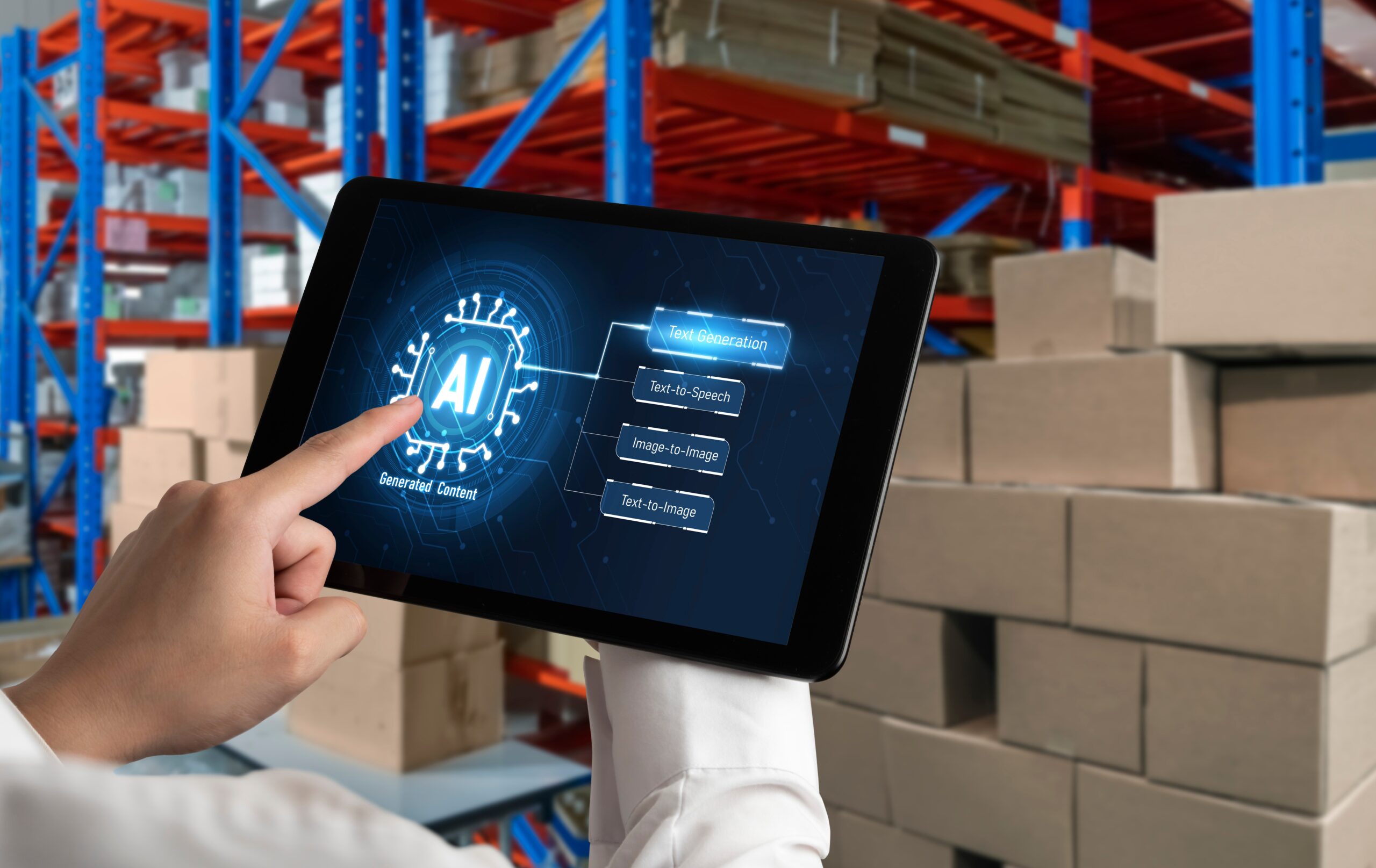
And now they’re trotting out AI. Again. As if throwing more computing power at a problem inherently designed to outsmart us is the magic bullet. Descartes, bless their optimistic hearts, thinks they’ve found it. Cyndi Brandt, VP Fleet Solutions, is out there, doing the rounds on ‘Talking Logistics,’ explaining how Artificial Intelligence is going to miraculously unlock all this ‘hidden capacity’ lurking in your fleet.
Is AI Really the Answer? Or Just More Buzzwords?
Look, I’ve seen this movie before. Every few years, a new tech buzzword lands like a meteor, promising to solve all our supply chain woes. First, it was Big Data. Then Blockchain (remember that?). Now it’s AI. And sure, AI can do some neat tricks. It can crunch numbers faster than a caffeinated accountant. It can spot patterns you’d miss if you stared at your route sheets for a decade. But ‘unlocking hidden capacity’? That sounds suspiciously like corporate PR for ‘we can optimize your existing mess slightly better.’
Brandt, in her somewhat earnest discussion, suggests AI is the key to bridging the chasm between what’s planned and what actually goes down on the street. You know, the reality where a delivery takes twice as long because of unexpected construction, or the customer isn’t home. AI, supposedly, will learn these deviations, predict them, and somehow… poof… find you an extra truck’s worth of deliveries within your current operational footprint. I’m skeptical. Very.
The challenge is that the operating environment is so dynamic. If you don’t have systems that can learn and adapt to that variability, you’re leaving capacity on the table. This is where AI and machine learning come in.
The quote above, from Brandt herself, is the crux of it. ‘Leaving capacity on the table.’ It’s a nice way of saying your current systems are dumb. And perhaps AI, when applied correctly, can make them less dumb. The idea is to move beyond static route planning. Think dynamic adjustments. Real-time recalculations. Using AI to analyze what went wrong yesterday, what’s going wrong today, and adjusting tomorrow’s plan accordingly. It’s about making the plan fluid, not set in stone.
But let’s not get carried away. This isn’t going to turn your fleet of sputtering vans into a SpaceX launch. It’s about incremental gains. Small efficiencies. Finding those few extra drops of productivity. The kind that, over time, might actually make a difference to your bottom line. The danger, of course, is that companies will invest heavily in these AI solutions, only to find they’re still wrestling with the same fundamental problems: driver shortages, unpredictable demand, and the sheer, unadulterated chaos of last-mile logistics. It’s not magic; it’s math. With a side of machine learning.
Will AI Replace My Dispatcher?
This isn’t about replacing people. At least, that’s what they tell you. The AI is supposed to augment the human element. Free up your dispatchers from the drudgery of constant manual adjustments. Let them focus on the exceptions, the tricky customer calls, the things that require actual human judgment. The promise is that AI will handle the routine, the predictable deviations, allowing humans to handle the unpredictable unpredictability.
So, will it unlock hidden capacity? Maybe. Will it be a silver bullet? Absolutely not. It’s another tool in the toolbox. A very, very complex tool. One that requires a significant investment in data, integration, and frankly, a willingness to admit your current system isn’t cutting it. The real question isn’t whether AI can unlock capacity, but whether your organization has the foresight and the guts to implement it effectively. My money? It’s on the usual suspects: companies already doing route optimization well will see the biggest benefits. The rest? They’ll be watching YouTube videos on how to use their expensive new software.
🧬 Related Insights
- Read more: Big Tech Capex [1 Trillion+ by 2027] - A Bubble?
- Read more: $166B Tariff Refunds: Importers Collateralize for Loans [SCOTUS Impact]
Frequently Asked Questions
What does Descartes’ AI solution for delivery fleets actually do? It uses AI and machine learning to analyze real-time delivery data, identify deviations from planned routes, and suggest dynamic adjustments to optimize fleet operations, aiming to uncover ‘hidden capacity.’
Will this technology reduce the need for human dispatchers? The stated goal is to augment human dispatchers, not replace them, by automating routine route adjustments and allowing humans to focus on complex exceptions and customer interactions.
How can I measure the ‘hidden capacity’ AI unlocks? It’s typically measured by factors like increased deliveries per vehicle, reduced miles driven per delivery, improved on-time delivery rates, and better asset utilization, all compared to pre-AI benchmarks.