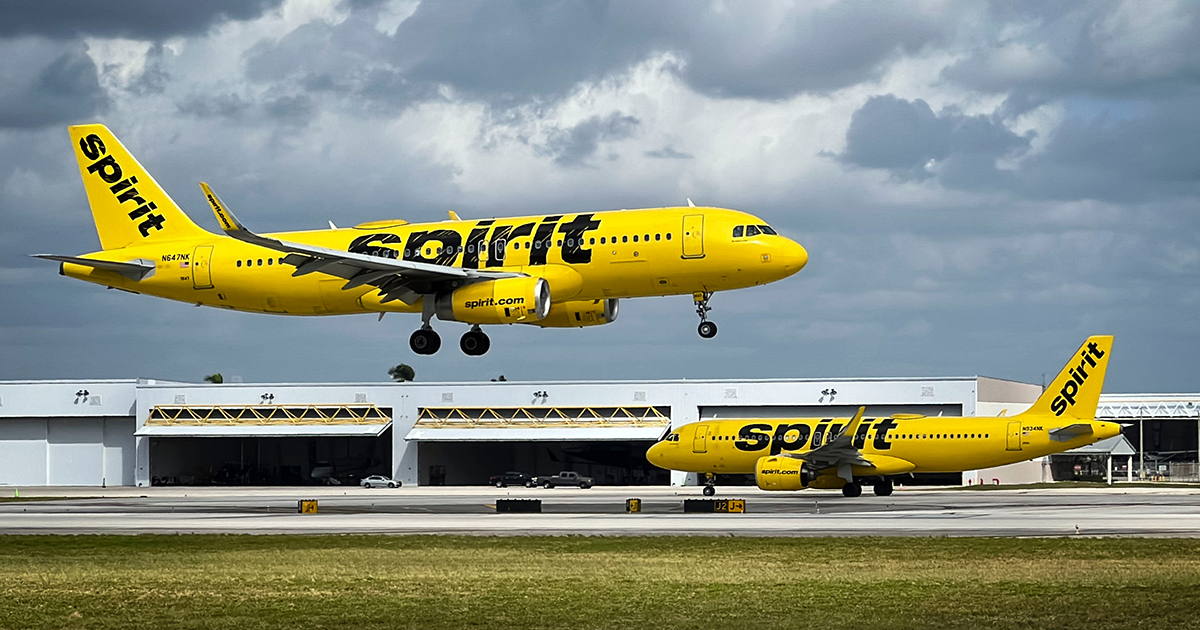
The air is thick with speculation, the kind that usually precedes a corporate implosion. Sources, speaking with the usual caution of those who’d rather not be on the wrong side of a bankruptcy filing, are suggesting Spirit Airlines is getting its affairs in order. Preparing to shut down. Not a merger, not a restructuring, but a full stop. It’s the kind of news that makes you raise an eyebrow, then another, and then start asking the obvious, uncomfortable questions. Who’s going to profit from this mess?
It’s been a rough go for the ultra-low-cost carrier (ULCC) model lately. Competition’s fierce, fuel prices are doing their usual tightrope walk between volatile and downright predatory, and let’s not even start on the pilot shortages and the regulatory headaches that seem to sprout like weeds. Spirit’s been in the fight, no doubt. They’ve been the go-to for folks who view air travel as a functional necessity, not a luxury, cramming folks in, charging for every sip of water, and relying on volume. A strategy that’s worked… until it hasn’t.
What’s Really Driving This Rumor?
Look, the official line from Spirit, as you’d expect, is a predictable “no comment” or some carefully worded denial. But in this business, you learn to smell the smoke. The chatter isn’t just idle gossip; it’s laced with the kind of detail that suggests a plan, however nascent. We’re talking about asset liquidation, employee severance packages being discussed in hushed tones, and the subtle, unsettling silence from the executive suites that used to be filled with confident pronouncements. It’s the quiet before the storm, or maybe, the quiet before the entire building is condemned.
And why wouldn’t they be preparing for the worst? Just look at their balance sheet. It’s not exactly a picture of strong health. Add to that the recent acquisition struggles – the failed merger with Frontier, the stalled attempt to join forces with JetBlue (which, let’s be honest, was always a long shot given the antitrust headwinds) – and you’ve got an airline that’s increasingly isolated and struggling to find a lifeline. It’s a classic case of death by a thousand cuts, punctuated by failed strategic maneuvers.
Who Stands to Gain?
This is where it gets interesting, and frankly, where my skepticism truly kicks in. Whenever a major player falters, there’s always someone circling, ready to pick over the carcass. The immediate beneficiaries are likely to be the larger airlines. A significant chunk of Spirit’s market share – those price-sensitive passengers who would otherwise be crammed into a Spirit seat – will need to go somewhere. And where do you think they’ll end up? On American, Delta, United, even Southwest. Those legacy carriers, with their vast networks and (relatively) more comfortable cabins, are perfectly positioned to absorb this demand. They’ll simply nudge up their fares, knowing that the budget-conscious traveler has fewer options.
Then there are the creditors and the financiers. If this shutdown happens, and it comes with a messy bankruptcy, you can bet there are firms salivating at the prospect of acquiring Spirit’s assets – planes, routes, gate slots – at fire-sale prices. It’s the grim, predictable dance of corporate finance. The airlines that survive and thrive often do so on the back of those that couldn’t keep up.
The current environment for ultra-low-cost carriers is particularly challenging, marked by increasing operational costs and a highly competitive market.
That’s the corporate-speak version of saying, ‘It’s tough out there, and some folks aren’t going to make it.’ And ‘some folks’ might very well be Spirit.
This isn’t just about one airline’s financial woes; it’s a barometer for the health of a specific segment of the aviation industry. If Spirit, a name so deeply ingrained in the ULCC landscape, can’t survive, it raises serious questions about the long-term viability of similar business models. It suggests that maybe, just maybe, the era of bare-bones, no-frills flying, where every amenity is an add-on, is facing a reckoning. Passengers might be willing to pay a little more for a bit more… well, something.
Look, I’ve seen these stories play out a hundred times. The buzz starts small, a whisper in a dimly lit bar near LAX, then it grows. It gets amplified by analysts, by nervous investors, and eventually, by the company itself when the denials become more frantic than firm. If Spirit does shutter its operations, it won’t be a surprise to anyone who’s been watching the financial runways. It’ll just be another chapter in the ongoing saga of airline consolidation and the ever-shifting sands of market dominance. And the real question, as always, remains: who cashed out with the biggest pile of money before the music stopped?
Will This Impact My Next Flight Booking?
If Spirit Airlines ceases operations, passengers who have booked flights with them will face significant disruption. They will need to rebook with other airlines, potentially at higher costs, and their existing tickets will likely become worthless unless the airline makes provisions for compensation. This could lead to a surge in demand for other carriers, particularly Southwest Airlines and potentially even legacy carriers for longer routes.
What Happens to Spirit Airlines Planes?
In the event of a shutdown, Spirit Airlines’ fleet of aircraft would likely be sold off. This could involve selling them individually to other airlines, selling them in bulk to leasing companies, or potentially dismantling them for parts if they are older or in poor condition. The value and disposition of these planes would depend heavily on their age, model, and market demand at the time.