US Oil Exports Hit Record
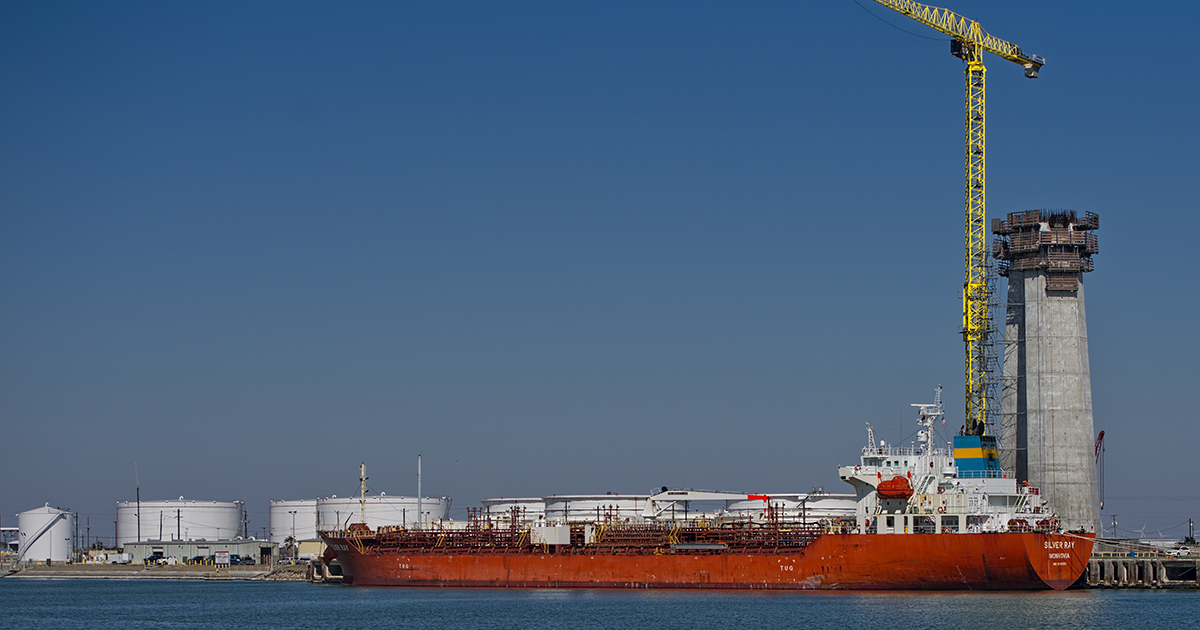
Global supply chains are being stretched thin, and the U.S. is stepping up to fill the void. Record oil product exports are here, but at what cost to domestic consumers?
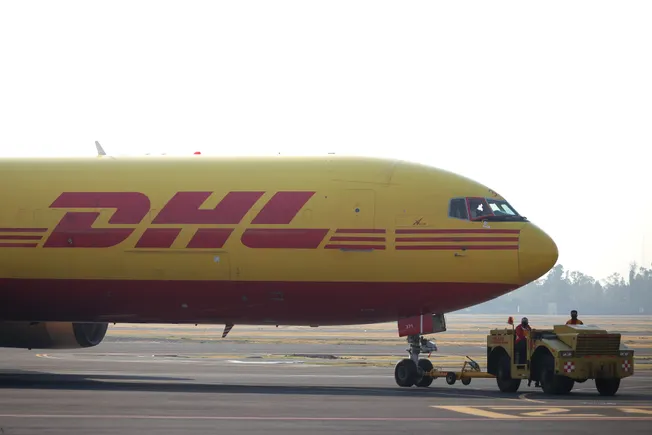
The skies are getting bumpy. DHL's CEO is sounding the alarm on jet fuel shortages hitting Asian air cargo, a direct consequence of Middle East tensions.
The Suez Canal's potential reopening for box carriers might be the signal for an overcapacity storm. Meanwhile, air cargo battles fuel woes, creating a volatile freight landscape.
Forget the lofty speeches and dazzling keynotes. This week, the real story in supply chain logistics is about the quiet hum of AI agents and the jaw-dropping cost of procurement screw-ups.
You're crammed in coach, 129 souls shuffling ahead like clogged highways. That's supply chains right now: AI promises speed, but diesel wars and tariffs jam everything.
Snow in April, a squirrel's WTF stare—echoes the disbelief as Iran slaps $2 million tolls on Hormuz ships, turning a vital artery into a pirate toll booth. Supply chain execs, brace yourselves.
Forget gym workouts at dawn. Real supply chain hell starts when tankers dodge missiles and tariffs jack up your grocery tab. Buckle up – chaos is here.
Another massive containership idles off Panama's coast. El Niño forecasts spell low water levels by year-end, piling fresh pain on shippers already dodging Red Sea attacks and Strait of Hormuz jitters.
Decision latency isn't sexy. But it's devouring your margins faster than any port strike.
Ships stack up like frustrated commuters. FedEx Freight's spin-off clock ticks louder amid whispers of route diversification—just as El Niño eyes the Panama Canal.
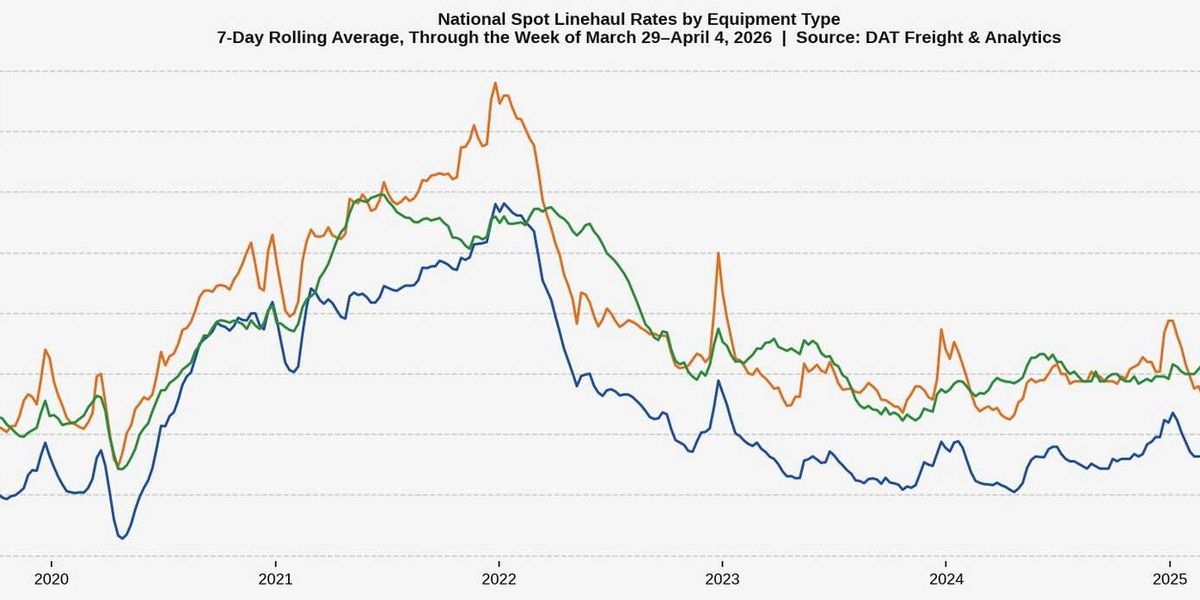
Eleven cents per mile doesn't sound like much. Until it's the biggest flatbed freight rate spike in over a decade, courtesy of skyrocketing diesel amid the Iran War.