Global trade feels the pinch.
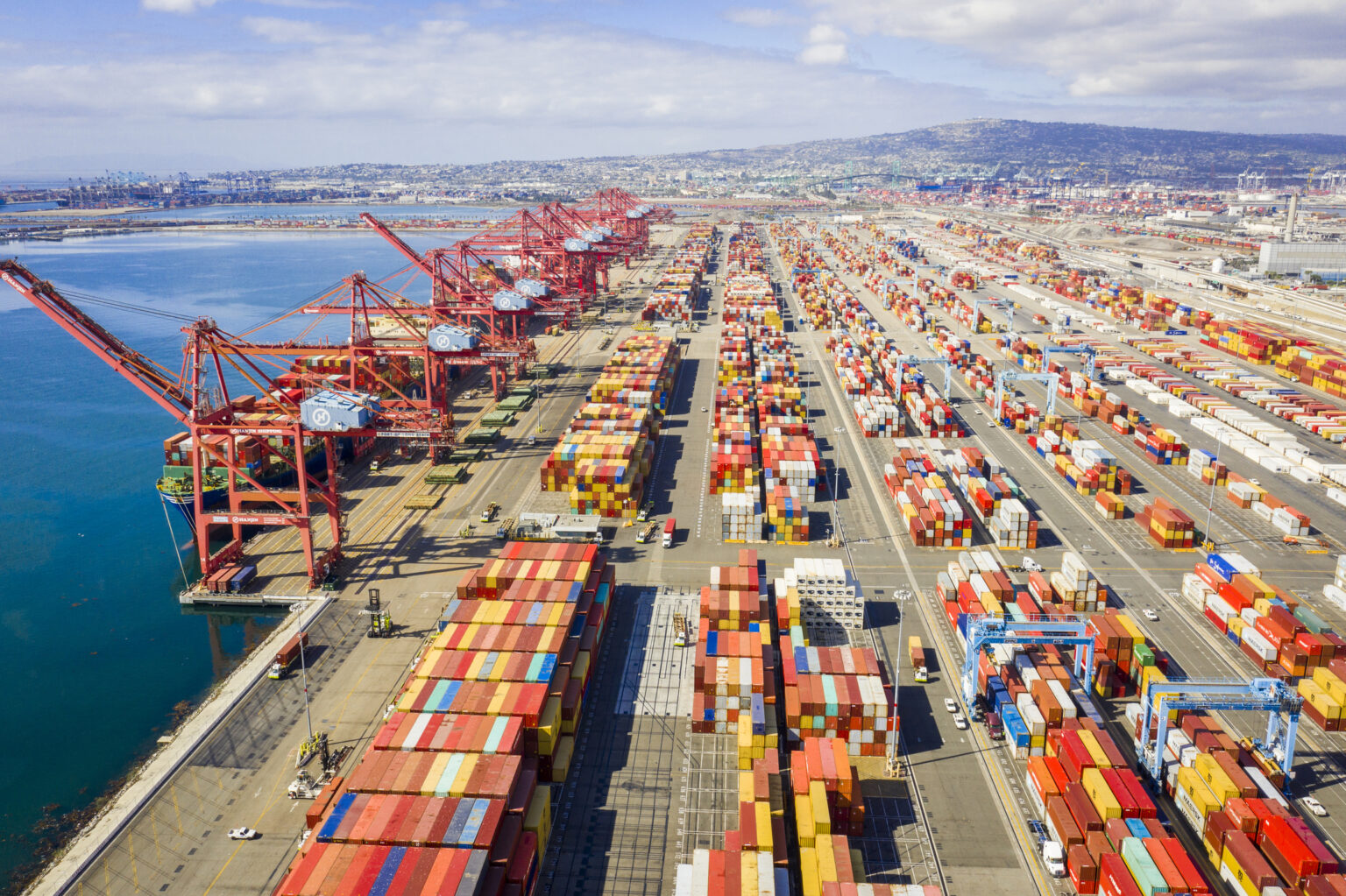
The Port of Long Beach, a bellwether for U.S. import/export activity, reported a 5.7% year-over-year drop in April cargo volumes, handling 817,992 TEUs. This isn’t just a minor blip; it’s a continuation of a cooling trend after a record-breaking 2025. While still historically strong, the slip underscores the mounting pressure on global supply chains, primarily fueled by simmering geopolitical tensions and their cascading economic effects.
Is the Hormuz Crisis Truly to Blame?
Certainly. The ongoing instability around the Strait of Hormuz, a critical chokepoint for global oil and gas shipments and, by extension, containerized goods, is pushing shipping costs skyward. We’re talking elevated bunker fuel prices, war-risk insurance premiums that are making carriers sweat, and the outright operational headaches of rerouting ships. It’s a potent cocktail of increased expenses and unpredictable transit times. Port CEO Noel Hacegaba himself noted, “In today’s trade environment, unpredictability has become the norm,” a stark admission from an executive tasked with ensuring smooth operations.
This isn’t just about oil tankers, either. The ripple effect hits containerized freight hard. Analysts are watching spot rates on major transpacific routes, and they remain stubbornly above pre-crisis levels. While rates have stabilized recently—a word that barely masks the underlying anxiety—they’re perched higher due to persistent uncertainty and those pesky fuel surcharges. It’s a tight spot for everyone involved.
The Cautious Importer: A Sign of What’s to Come?
The market dynamic playing out is one of extreme caution. Xeneta, a shipping intelligence firm, highlights that both carriers and shippers are in a holding pattern, desperately seeking market clarity that just isn’t materializing. A particularly telling behavior is the reported delay in long-term shipping contracts by many U.S. importers. Why lock in rates now, they’re thinking, when there’s a chance market conditions could ease later in the year if the geopolitical situation de-escalates? This hesitancy, while rational, contributes to the overall slowdown and paints a cloudy picture for container trade’s immediate future.
What’s my read on this? It’s not just about the immediate cost increase. It’s about the erosion of predictability in global logistics. For decades, the shipping industry has optimized for efficiency through complex, tightly scheduled networks. Disruptions like the Hormuz crisis don’t just add cost; they fray the very fabric of that predictability, forcing a strategic re-evaluation that will likely lead to longer-term shifts in how goods move around the planet. Think more regionalized sourcing, higher safety stocks, and a significant premium placed on resilience over pure cost efficiency. This isn’t just a temporary traffic jam; it’s a potential inflection point.
“What happens in global shipping eventually impacts consumers,” Hacegaba warned, a sentiment that bears repeating. Higher logistics costs, from fuel to insurance, inevitably find their way into the price tag of virtually every imported good, from electronics to apparel.
The real question isn’t if these higher costs will impact consumers—they already are—but how much and for how long. If the Hormuz situation remains volatile, we’re likely to see sustained inflationary pressure on imported goods, a stark reminder that global stability is inextricably linked to the smooth functioning of these vital maritime arteries. The Port of Long Beach’s slip is just the first detectable tremor.
🧬 Related Insights
- Read more: Project44 Gobbles LunaPath.ai: Second AI Bet in Four Years
- Read more: Zebra Ditches Robots: Skild AI Gets Fetch [Analysis]
Frequently Asked Questions
What is the Strait of Hormuz? The Strait of Hormuz is a narrow waterway connecting the Persian Gulf to the Gulf of Oman, a critical chokepoint for international oil and gas shipments.
How does the Hormuz crisis affect shipping costs? It increases costs through higher bunker fuel prices, war-risk insurance premiums, and the need for carriers to reroute vessels, leading to longer transit times and operational inefficiencies.
Are U.S. importers delaying contracts? Yes, many U.S. importers are reportedly delaying long-term shipping contracts due to market uncertainty and the risk of locking in inflated rates if conditions improve.