Who needs another article about robots taking over warehouses? Honestly. We’ve all heard the hype, seen the glossy brochures, and sat through enough breathless keynotes to fill a landfill. But let’s cut through the noise for a second, shall we? Because out here in the trenches of supply chain, where actual stuff moves and actual money changes hands, the story is a bit more… nuanced. And frankly, a lot less about shiny chrome and more about keeping the lights on.
Look, margin pressure isn’t some new kid on the block. It’s been the unwelcome guest at every 3PL’s party for years, throwing its weight around with rising labor costs, freight rates that make your eyes water, and customers who expect their Amazon order to arrive before they even click ‘buy’. And for third-party logistics providers, juggling the whims of multiple high-growth brands? It’s like trying to herd cats during a hurricane. One day it’s a calm sea, the next it’s a surge that blows your capacity clean out of the water. Predictability, folks, is the holy grail. And that’s where this whole ‘automation’ circus really gets interesting.
It’s not just about speed anymore. Anyone who’s been around the block knows that going faster can often just mean you break things harder and faster. The real play, the thing that’s actually keeping 3PLs from becoming yesterday’s news, is operational control. Think of it as finally getting the chaos to sit down and behave, even when your biggest client decides to launch a viral campaign overnight.
So, what’s actually making a difference? The article dangles the ‘six automation strategies’ like a shiny new toy. Let’s peel back the layers. Are these truly game-changers, or just more buzzwords dressed up in corporate jargon? And more importantly, who’s collecting the profits from this supposed revolution?
AI-Driven Shipping Optimization: The End of Guesswork?
Shipping costs. They’re a black hole of variability, aren’t they? Traditional systems, bless their little algorithmic hearts, usually pick between ‘cheapest’ or ‘fastest’. That’s like choosing between being broke or being late. Modern AI, though – that’s the supposed magic. It’s not just looking at price tags; it’s mashing together carrier capacity, traffic jams (digital and physical), inventory location, even whether a carrier has a history of showing up on time or if they’re currently battling a hurricane in Omaha. The promise? Decisions based on the total operational and financial impact, not just the immediate parcel rate. And for 3PLs, this is critical. A bad shipping choice doesn’t just cost you a few bucks; it means angry customers, service level agreement failures, and a profit margin that shrinks faster than a cheap sweater in the wash.
As fulfillment becomes increasingly decentralized across marketplaces, retail, DTC, and social commerce channels, intelligent shipping optimization is now foundational infrastructure rather than a competitive luxury.
This quote, right here, is the crux of it. It’s not a nice-to-have; it’s becoming table stakes. If you can’t optimize shipping across every single channel your client sells on, you’re already behind.
Intelligent Automated Conveyance Systems: Taming the Packing Beast
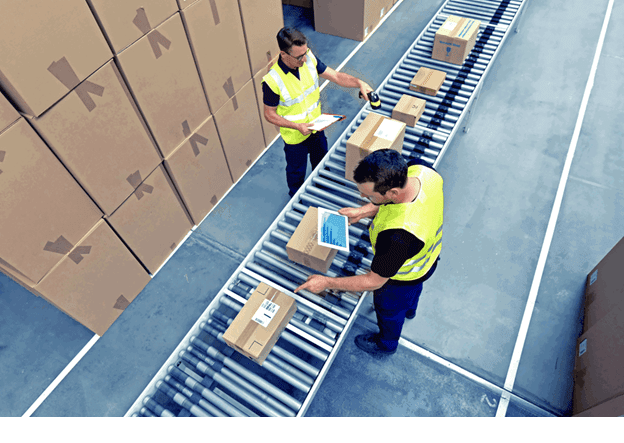
Packing. Oh, packing. It’s the bottleneck that keeps industrial engineers up at night. You throw more people at it, you just end up with more people bumping into each other in the same cramped space. The idea here is to have the conveyor belt do the heavy lifting – scanning, labeling, routing. Humans shift from repetitive motion to, you know, actual thinking and quality checks. The real win? Predictability. Engineers can calculate how many boxes can move through a system per minute. That’s data you can bank on, not just a hopeful guess. It changes how a 3PL looks at growth. Instead of a blind leap of faith, it’s a calculated step. Can this system handle the new business? The answer is in the engineering.
Digital Twin Simulation Platforms: Playing God (Virtually)
This one’s a bit more abstract, but the core idea is solid. A ‘digital twin’ is basically a virtual replica of your warehouse. You can mess around in the simulation – move things, change processes, throw in a massive order surge – and see what breaks without actually breaking anything. It’s like playing a warehouse management video game, but with real-world consequences if you screw up your virtual strategy. The benefit for 3PLs is immense: test new automation, optimize layouts, predict bottlenecks, all before you spend a dime on new hardware or hire a single extra person. It’s about de-risking the big decisions. It’s foresight, not just hindsight.
Is This Automation Actually New?
Here’s my two cents, after two decades of watching Silicon Valley hype cycles spin their wheels. Most of this stuff isn’t entirely new. AI has been knocking around for ages. Conveyor systems? Been there, done that. Digital twins? Scientists have been using simulation for complex systems for decades. What is new is the integration, the sophistication, and the relentless push by logistics providers to find an edge. The difference between a clunky old conveyor belt and an ‘intelligent automated conveyance system’ is often just a hefty software upgrade and a slicker marketing team. The question remains: who’s paying for the software, and who’s getting the ROI?
Robotic Process Automation (RPA) for Back-Office Tasks
This isn’t about robots arm-wrestling forklifts. RPA is software that mimics human actions. Think of it as an ultra-efficient virtual intern who can click through screens, copy-paste data, and fill out forms faster and more accurately than any human ever could. For 3PLs drowning in paperwork – invoicing, order entry, reporting – this can be a godsend. It smooths out the administrative wrinkles, freeing up your human staff for… well, things that actually require human intelligence. It’s a quiet revolution, happening behind the scenes, but one that directly impacts the bottom line by reducing errors and speeding up crucial administrative processes. More data, cleaner data, faster data. Always a win.
Warehouse Execution Systems (WES) with Integrated Orchestration
This is the conductor of the orchestra. A WES ties together all the other automation systems – the robots, the conveyors, the WMS (Warehouse Management System), even your TMS (Transportation Management System). It’s the brain that makes sure everything plays nicely together. ‘Integrated orchestration’ means it’s not just a basic WMS telling robots what to do; it’s a smart system that can dynamically adjust tasks based on real-time conditions. If a picking robot gets stuck, the WES reroutes tasks. If inbound volume spikes, it prioritizes receiving. It’s about making the entire operation fluid and responsive. For 3PLs juggling multiple clients with wildly different needs, this centralized control is paramount. It’s the difference between a cacophony of machines and a well-oiled, highly efficient machine.
Autonomous Mobile Robots (AMRs) for Task Assistance
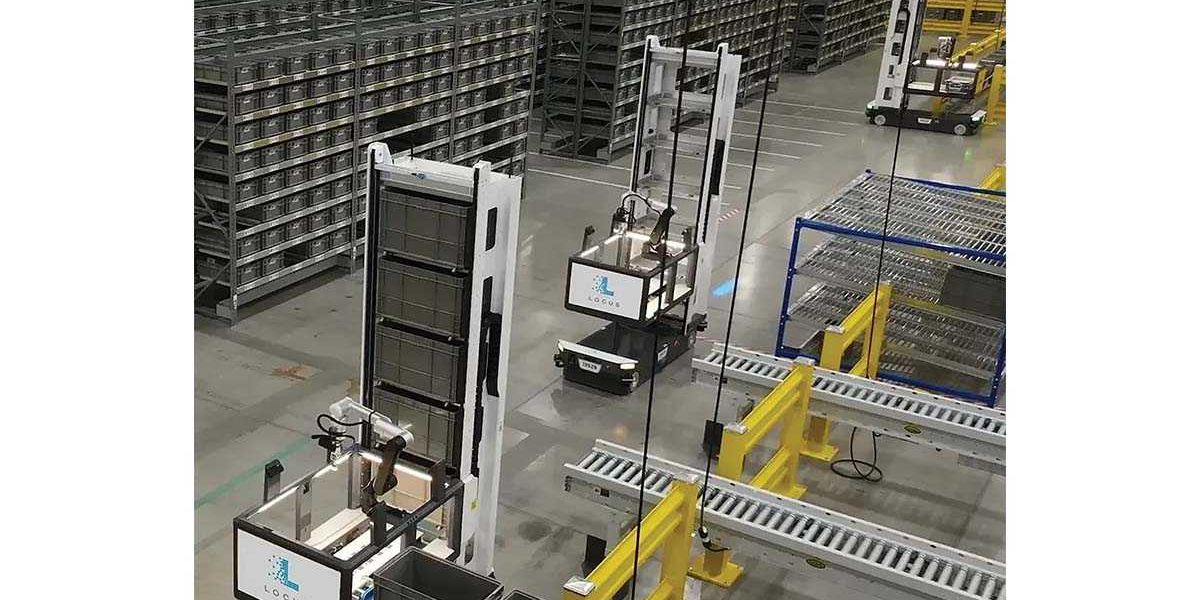
Ah, the robots. Yes, they’re here. AMRs are the ones that zip around the warehouse, not on fixed tracks, but navigating on their own. They’re not necessarily replacing human pickers wholesale (yet), but they’re working alongside them. Think of them as smart shelves on wheels that bring inventory to the picker, or take away packed orders. This reduces walking time – a huge chunk of a picker’s day. It increases their productivity, allowing them to focus on the actual picking rather than the travel. It’s about augmenting human capability, not just replacing it. And for 3PLs facing labor shortages, this is a critical tool for maintaining throughput.
Who’s Actually Making Money Here?
This is the million-dollar question, isn’t it? The shiny tech vendors are, of course. The software companies selling the AI, the WES, the simulation platforms. They’re the ones getting the fat contracts. The hardware manufacturers building the robots and conveyors. Then there are the 3PLs who implement these systems effectively. They’re the ones who see their margins stabilize, their operational resilience increase, and their ability to take on more complex, higher-value business grow. But let’s be clear: adopting this tech isn’t cheap. The real winners are those 3PLs who can integrate these systems not just to cut costs, but to fundamentally change their service offering and capture more market share. It’s an arms race, and the biggest spenders with the clearest strategic vision are the ones likely to win.
This isn’t just about shiny new gadgets. It’s about survival and thriving in an increasingly demanding supply chain landscape. The 3PLs who embrace these automation systems, not as a cure-all, but as a strategic tool to build control and predictability, are the ones who will lead us into whatever the next ‘next-gen’ warehouse looks like.