The hum of automation isn’t just a background noise in warehouses anymore; it’s the driving force behind what makes your online order arrive on time, and often, cheaper than you expected. For the legions of third-party logistics (3PL) providers who form the backbone of global commerce, this isn’t just about adopting shiny new robots. It’s a fundamental shift in how they architect their operations to serve a wildly diverse client base. Think of it less as buying a piece of tech and more as a surgical intervention, precisely targeted to solve a specific problem for a specific customer.
This isn’t new, but the refinement is. As Omer Rashid, VP of Operations Development at DHL Supply Chain, put it, the pandemic was the catalyst. Labor shortages—a perennial headache for the industry—were thrown into sharp relief, and the ensuing scramble pushed companies to look at automation not as a luxury, but a necessity. Now, the tech is maturing. It’s more affordable, more adaptable, and crucially, it’s beginning to integrate intelligence—software, AI, and analytics—directly into the physical machinery. We’re at an inflection point, where the physical and digital are not just meeting, but truly amplifying each other’s benefits.
The big question for any 3PL, especially those juggling multiple clients under one roof, is how to apply this advanced tech without breaking the bank or creating a Frankenstein’s monster of systems. The answer, increasingly, lies in understanding your ideal customer profile (ICP).
The Unsexy Secret: Know Your Customer
David Tu, President of DCL Logistics, runs a tight ship for a reason. His company specializes in e-commerce fulfillment for sectors like consumer electronics and health/beauty, meaning they often handle a low mix of products but at high volumes. This isn’t glamorous, but for automation, it’s gold.
“Automation thrives on repeatability,” Tu states, a point that should echo through every warehouse manager’s mind. When you’re shipping the same small items thousands of times a day, designing optimized workflows around that predictable behavior isn’t just easier; it’s exponentially more cost-effective. The systems stay utilized, the ROI is clear, and the complexity—that nemesis of efficient automation—is managed.
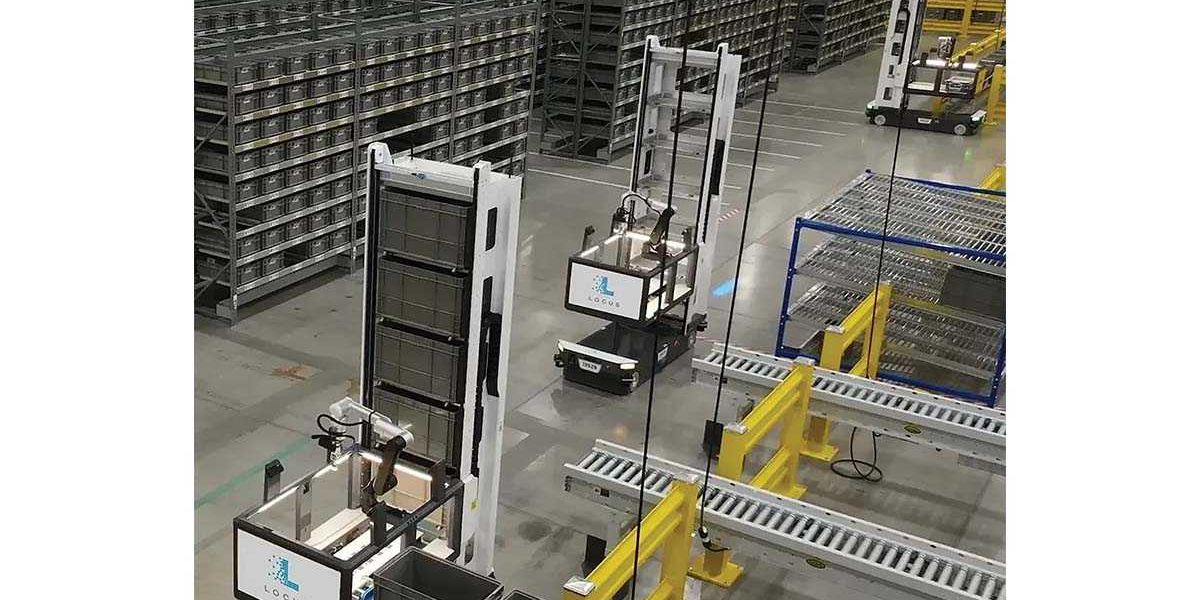
But what about the inverse? The apparel industry, for instance, where a single t-shirt can spawn dozens of SKUs. This variability is where rigid, specialized automation falters. It either sits idle, waiting for the right SKU, or becomes an over-engineered, constantly reconfigured beast that eats into profits. Tu’s insight here is critical: for these high-SKU, variable environments, the pivot isn’t to abandon automation, but to shift to more flexible solutions like autonomous mobile robots (AMRs) and sophisticated software orchestrations that can dynamically adapt.
It’s a stark reminder that technology’s promise is only realized when it’s tethered to a deep understanding of the problem it’s meant to solve. And in the world of 3PLs, that problem is defined by the customer’s business model.
When Data Drives the Drones
DHL, with its vast network of over 600 sites, faces an even more complex challenge. While many of their facilities are dedicated to single clients, the sheer scale and variety of those clients necessitate a granular approach. Rashid emphasizes that for them, it’s all about the data.
“Essentially, what always drives the decision-making is the data and the profile of the business we’re looking at. We want to let our
…customer’s needs and operational data dictate the technology, not the other way around. This means that instead of asking, ‘What cool new automation can we implement?’, the question becomes, ‘What specific challenge does this client face, and what automation solution, if any, provides the optimal answer?’
This is where the intelligence piece really shines. It’s not just about programming a robot to pick and place; it’s about using AI and analytics to predict demand, optimize inventory placement within a dynamic slotting system, and even orchestrate the movement of multiple AMRs to avoid bottlenecks. The flexibility promised by these newer technologies allows 3PLs to offer a wider range of services, catering to both the high-volume, low-mix clients Tu described and those with more complex, variable needs.
My take? The real architectural shift here isn’t just in the hardware, but in the software-defined intelligence layer that’s becoming the central nervous system of these automated operations. It’s moving from hardcoded, fixed processes to dynamic, adaptive systems that learn and respond. This is what enables 3PLs to serve a broader swath of the market effectively, making advanced logistics capabilities accessible to businesses that might not have the scale to justify massive, bespoke automation projects on their own.
The industry’s evolution is clear: automation isn’t a monolith. It’s a toolkit, and the smartest players are becoming skilled artisans, carefully selecting and deploying the right tools for each specific job, driven by an unwavering focus on the customer. It’s less about the hype of the tech itself, and more about the sophisticated application of that tech to deliver tangible, measurable value. And that’s a trend that’s only going to accelerate.