Rebuilding US Manufacturing: $2 Trillion and a Quantum Leap Needed
Imagine a colossus awakening, shaking off centuries of slumber. That’s the scale of the industrial renaissance America needs, and it’s going to cost a king’s ransom.
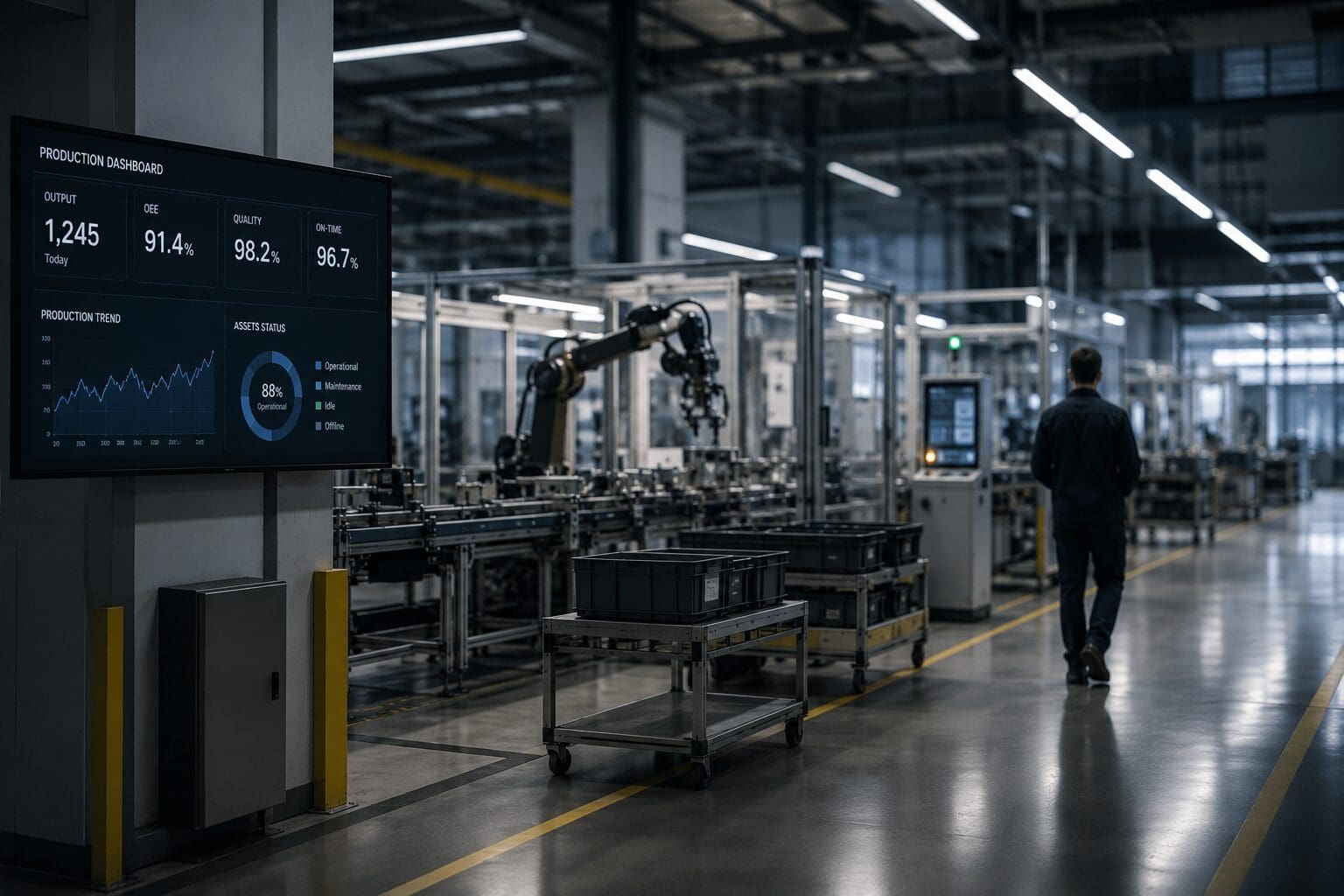
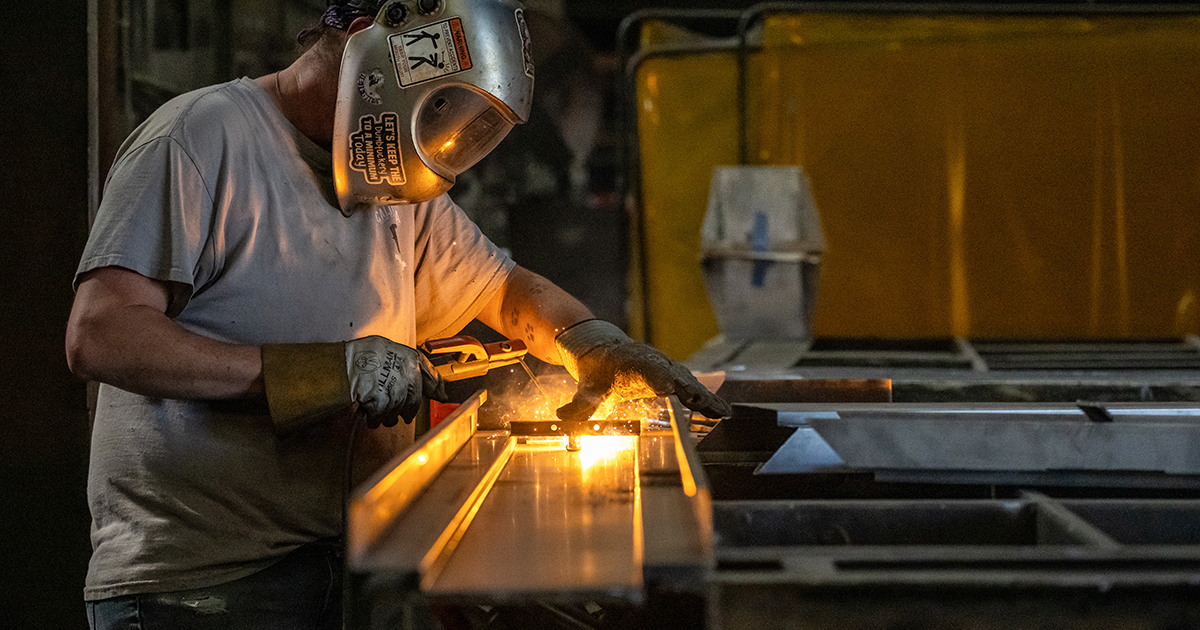
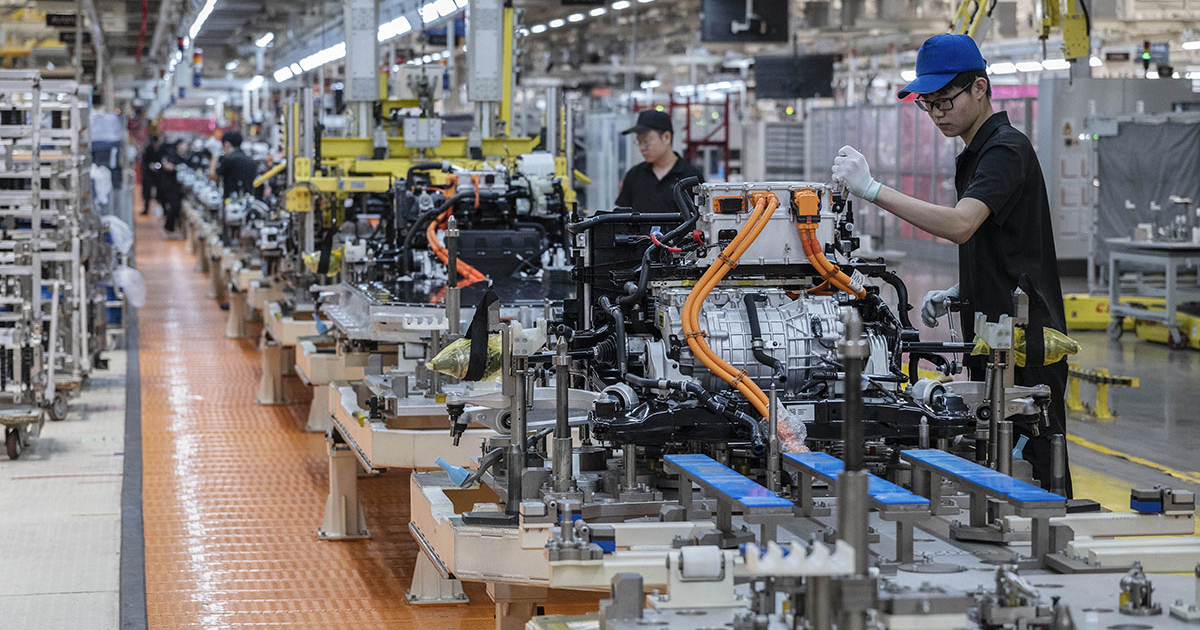
The factory floor is no longer just about iron and gears. Today, a subtle yet profound shift is underway: manufacturing execution is becoming increasingly software-defined, a seismic change often missed amidst the dazzle of automation hardware.
The metaverse is dead, long live the metaverse. Or perhaps, the AI gold rush? Procurement leaders are urging a decidedly less frenzied approach.
Forget the 'digital twin.' Blue Yonder is betting on a 'Model Training Factory' to churn out AI agents capable of running your supply chain. The goal: true autonomy.
Dollar Tree is pouring millions into new distribution centers. Is this a smart play for supply chain resilience or just more expensive real estate?
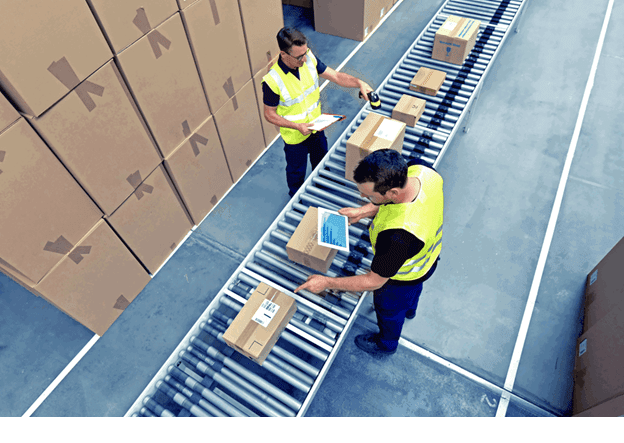
Forget the daily scramble. AI-driven warehouse orchestration is here, promising an end to the constant firefighting and turning complex operations into a fluid, connected system.
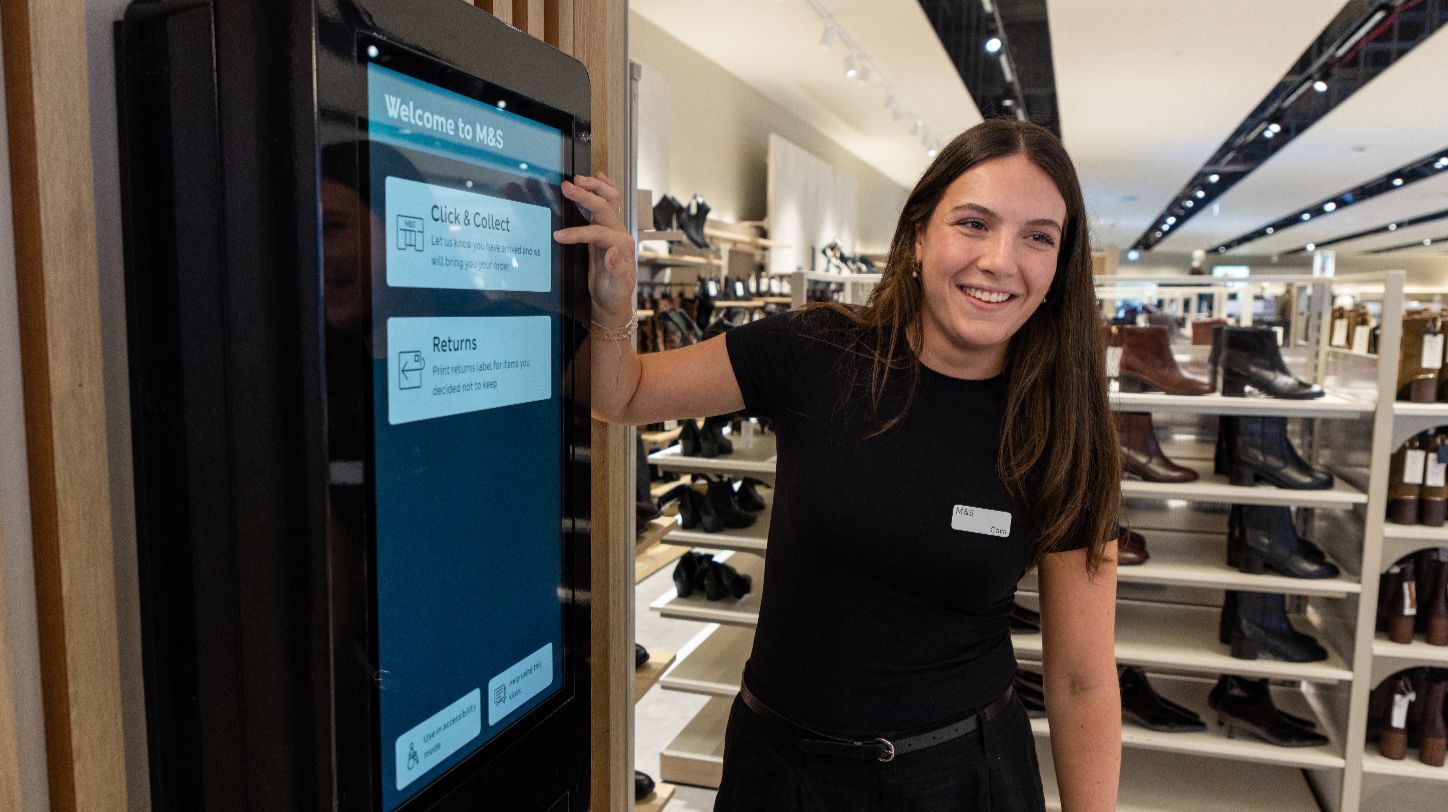
Marks & Spencer is acquiring a massive, automated fashion distribution center. But is this about space, speed, or something more foundational?
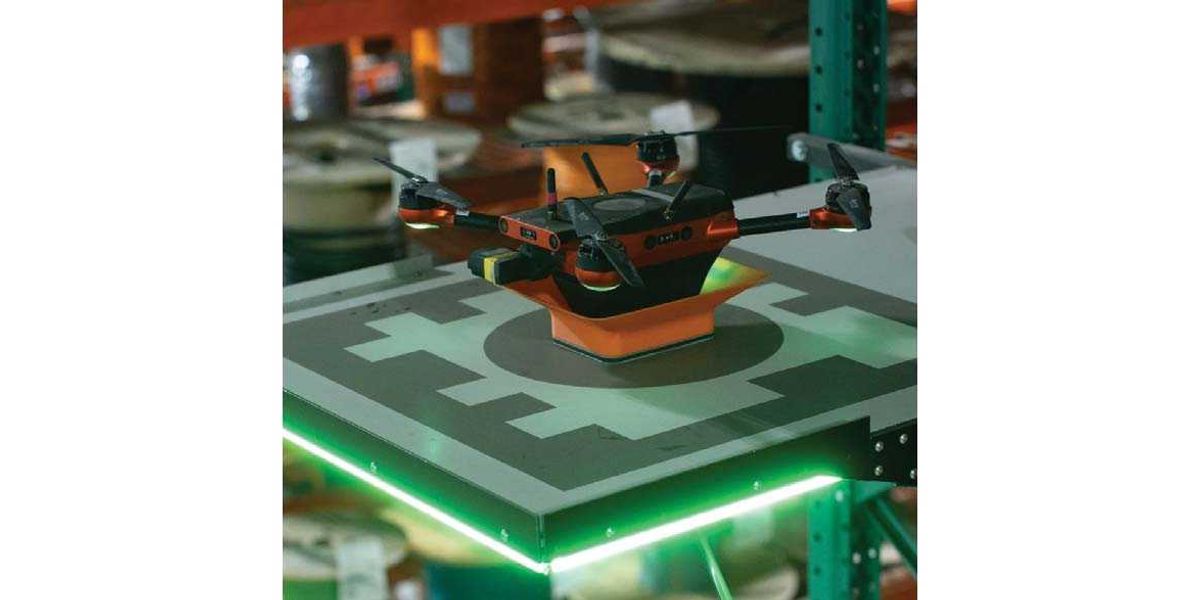
A manual inventory process, once a bottleneck for Lapp USA, has been automated nightly by drones, promising enhanced visibility and reduced labor costs. This isn't just about counting boxes; it's a fundamental shift in operational philosophy.
Oil prices are up. Shipping costs are up. Everything is up. Yet, here we are, with US manufacturing stubbornly refusing to fold. It’s a confusing picture.
A report suggesting Ford was in U.S. market talks with China's Geely for tech sharing has been firmly denied. This denial, however, lands amid a charged geopolitical climate for automakers.
Warehouses are no longer just about moving boxes; they're dynamic, intelligent systems. The shift from basic control to sophisticated orchestration is here, and it's fundamentally changing how facilities operate.
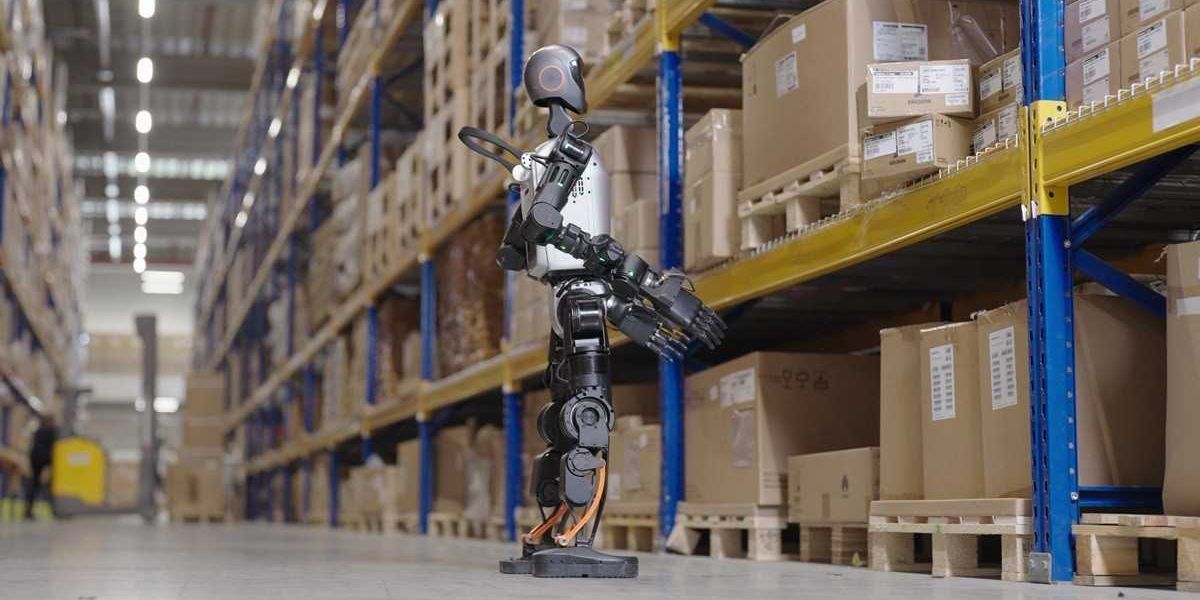
Forget drone swarms and self-driving trucks for a second. Accenture just put a bipedal robot to work in a German warehouse, and it's not just fetching coffee. This pilot is about 'physical AI' taking on actual inspection tasks, raising eyebrows and questions.
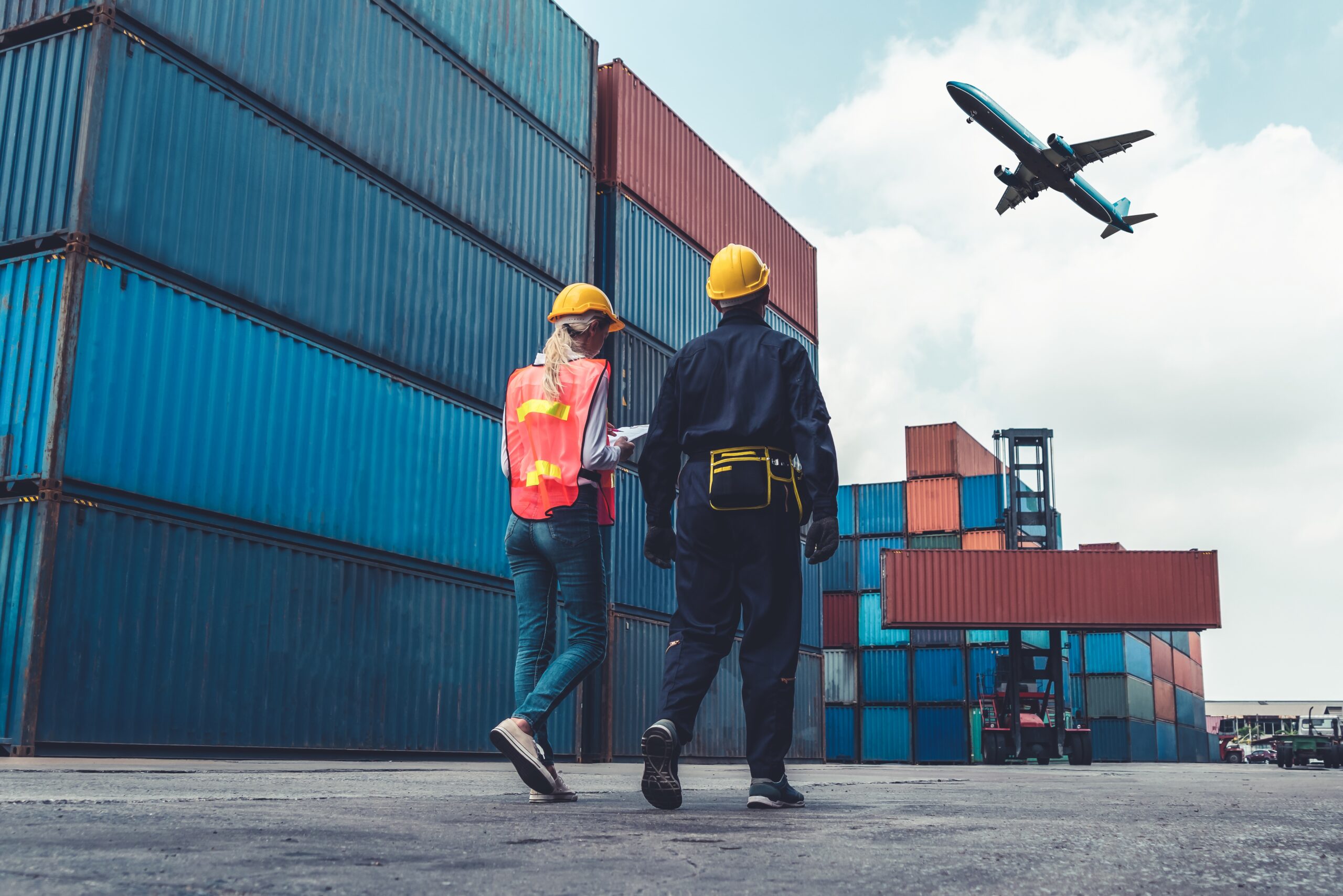
The specter of Red Sea disruptions is fading, and with it, soaring container freight rates. But as Asia-Europe lanes return to normalcy, the real test for carriers has just begun: can they manage capacity, or are we heading for another price war?
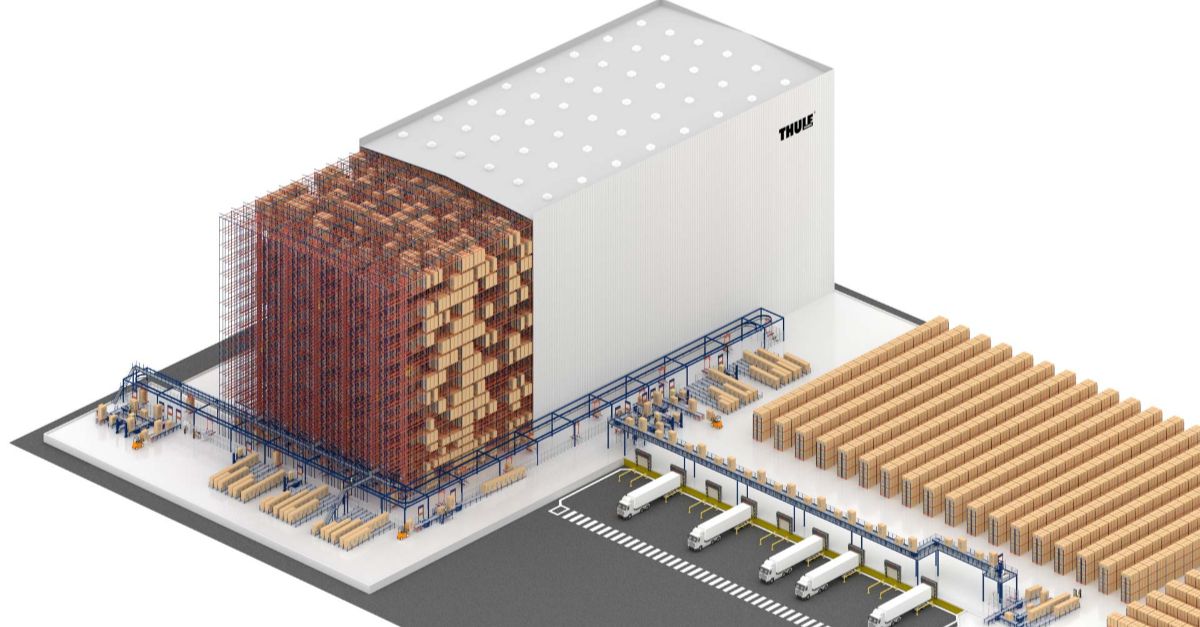
Thule's betting big on automation in Poland—a 42-meter beast of a warehouse set to swallow 40,000 pallets. It's not just storage; it's a radical rethink of how goods flow across continents.
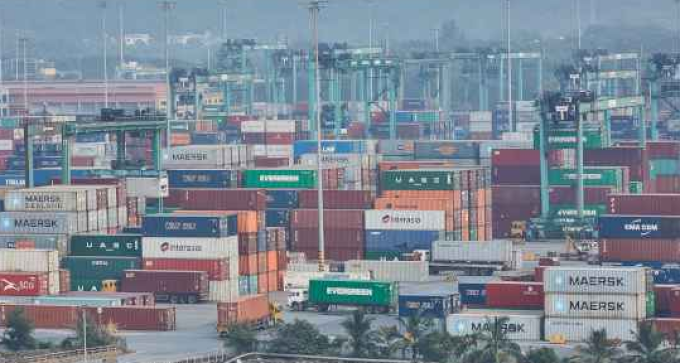
Containers piling up at JNPA port in Mumbai — 121,000 TEU in March alone, triple February's haul. India's cabotage waiver lives on, a pragmatic pivot amid Red Sea chaos that's rewriting supply chain routes.