Everyone expected the usual suspects to dominate the UK logistics market – the established giants like Maersk, FedEx, and UPS, already entrenched in prime locations like SEGRO Park North Feltham. These are the names synonymous with moving goods, the bedrock of international commerce. And for good reason. Their infrastructure, expertise, and decades of operational history have made them indispensable. But here’s the thing: the tectonic plates of global trade are shifting, and OYH Network’s significant lease agreement is less a ripple and more a seismic event, signaling a deeper integration of global e-commerce supply chains into the very fabric of UK logistics.
This isn’t just about a new company setting up shop; it’s about the how and why behind this expansion. OYH Network, a name that might be unfamiliar to some on this side of the globe, is a powerhouse in China, a crucial node in the complex web that moves goods from Asian manufacturing hubs to consumers worldwide. They’re the facilitators for global partners, including heavyweights like Amazon, managing the often-unseen complexities of ‘last mile’ logistics for international sellers. Think of them as the architects of cross-border efficiency, coordinating everything from air freight to sea and road networks.
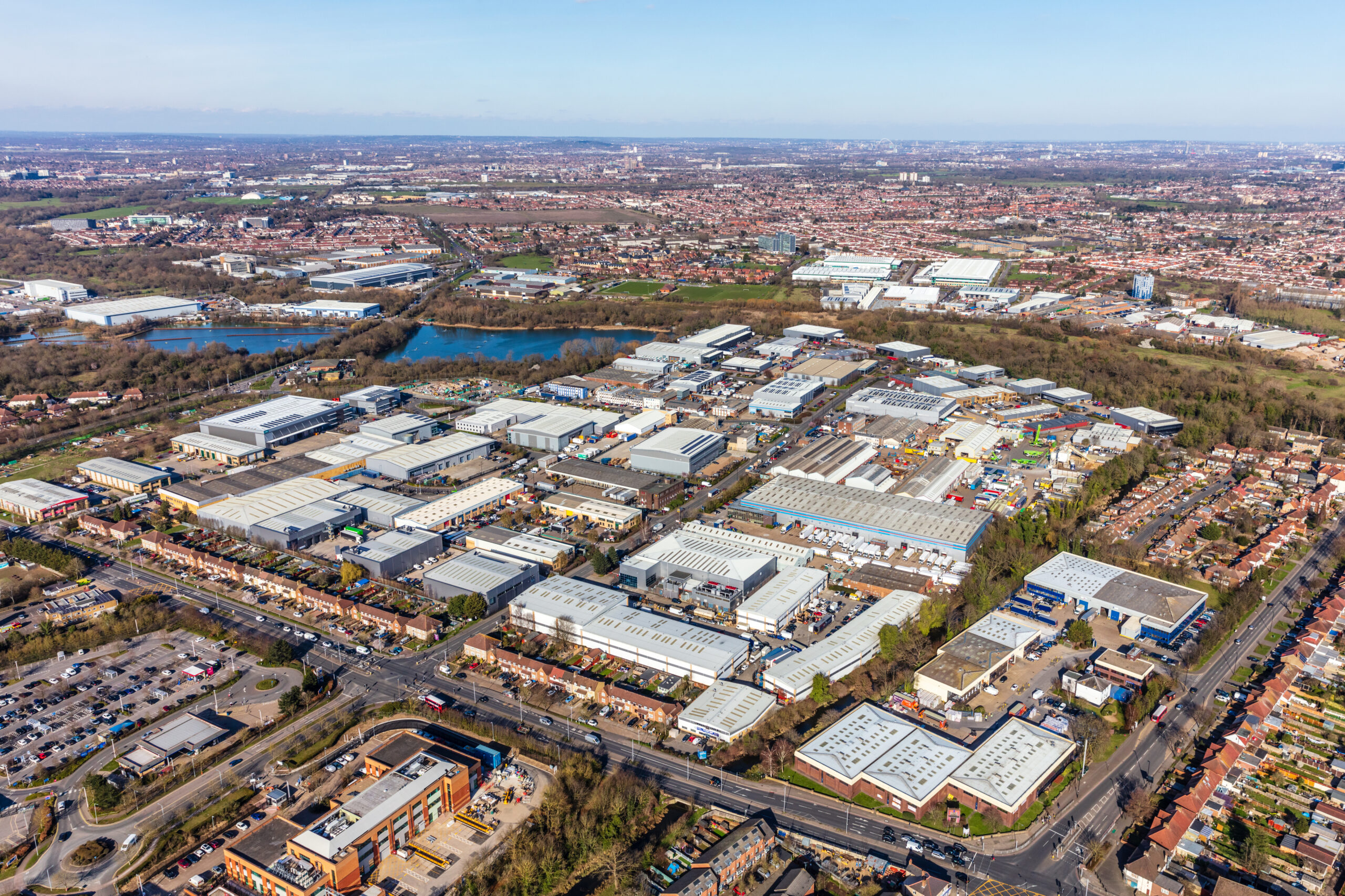
Their choice of SEGRO Park North Feltham, a stone’s throw from Heathrow Cargo Terminal and within easy reach of Central London, isn’t accidental. This is prime real estate for a reason. It’s an ecosystem already humming with logistics activity, a proof to its strategic value. Existing tenants like Maersk, FedEx, UPS, and Uniserve underscore the park’s pedigree. This isn’t a leap into the unknown; it’s a calculated move into a high-traffic, high-importance corridor.
So, why now? The press release paints a picture of diversification and supporting Chinese e-commerce growth. And that’s true, on the surface. But dig a little deeper, and you see a more profound architectural shift. For years, the narrative has been about Western companies expanding into China. Now, the flow is reversing with a force previously underestimated. Chinese logistics firms are no longer content with merely serving international markets; they’re actively building their physical presence within them. This move by OYH is a clear indicator that China’s e-commerce giants, buoyed by their domestic success and increasingly sophisticated logistics capabilities, are establishing their own dedicated infrastructure abroad to better control and optimize their global supply chains.
The ‘Why’ Behind the Warehouse
What does this mean for the industry? For starters, it intensifies competition. Companies like OYH bring a different operational playbook, often honed in the hyper-competitive and incredibly fast-paced Chinese market. They understand the relentless pressure of e-commerce fulfillment, the need for speed, cost-efficiency, and relentless technological integration. SEGRO’s Western corridor director, Gareth Baker, put it succinctly:
OYH plays an important role in facilitating trade and the movement of goods, and we’re pleased to provide the company with well‑located, high‑quality logistics space close to Heathrow Airport to fulfil this role and support its growth ambitions.
This highlights a key architectural change: the increasing reliance on specialized logistics providers who can navigate the intricacies of international trade. It’s not just about storing goods; it’s about orchestrating their global journey. OYH’s expertise in customs clearance and multi-modal coordination is precisely what’s needed to streamline the flow of goods from Asian factories to European consumers, especially as cross-border e-commerce continues its upward trajectory.
But there’s a subtle, and perhaps more significant, implication here that the PR might gloss over. This isn’t just about making it easier for Chinese sellers to ship to the UK. It’s about creating a more strong, end-to-end supply chain controlled by Chinese entities. Think of it as building out a parallel infrastructure, less dependent on existing Western logistics networks. This grants them greater visibility, more control over costs, and potentially faster transit times for their customers. It’s a strategic play that goes beyond simply following the money; it’s about owning the pathways.
A Global Footprint, One Warehouse at a Time
OYH’s expansion into Belgium prior to the UK move is not an isolated incident. It’s part of a deliberate, phased approach to establishing a European network. This isn’t about a single office; it’s about building a distributed operational capability. The West London lease is just one piece of a larger puzzle, a continent-wide strategy to intercept and manage global trade flows more directly. This deepens the interdependence between China and Europe in a way that traditional trade agreements often fail to capture. It’s supply chain architecture at its most fundamental level: physical presence dictating influence and control.
Will this disrupt the established order? Absolutely. Will it lead to more efficient delivery for consumers? Potentially. But it also signals a growing assertiveness from Chinese logistics firms, transforming them from mere service providers into significant players shaping the global logistics landscape. This West London hub is more than just square footage; it’s a geopolitical statement, delivered in the language of pallets and shipping containers.
🧬 Related Insights
- Read more: AI is a Platform Shift: Supply Chains Transformed
- Read more: Tariffs Force ‘Optionality’ as New Supply Chain Efficiency in 2026
Frequently Asked Questions
What does OYH Network do? OYH Network is a Chinese company specializing in customs clearance and logistics for international trade, particularly supporting e-commerce platforms and sellers by managing the movement of goods across air, sea, and road.
Why is OYH Network opening a UK office? They are establishing their first UK office as part of their expansion into Europe to diversify operations and better support the growing international reach of Chinese e-commerce platforms and sellers.
Is this a sign of Chinese companies taking over UK logistics? It represents a significant investment and a deeper integration of Chinese logistics capabilities into the UK market, intensifying competition and offering alternative supply chain solutions. It signals a trend of Chinese firms building their own physical presence abroad, rather than solely relying on existing Western providers.