Just when you thought the year-over-year numbers might offer a sliver of good news for shippers, the data twists. Yes, overall US cargo theft saw a dip in Q1 2026, down 6% from last year. Sounds promising, right?
But drill down, and you’ll find a nasty undercurrent. Organized crime isn’t just persistent; it’s getting smarter, and that’s precisely why the threat level remains “high, and on the rise.” This isn’t about opportunistic joyriders anymore. We’re talking about fraud-based schemes and laser-focused targeting of high-value goods.
The real villain here isn’t the padlock, it’s the forged credentials. “Deceptive pick-up” thefts, where criminals impersonate legitimate carriers or drivers using fake IDs and documents, shot up a staggering 31% year-on-year. This tactic now accounts for a full 10% of all incidents. Think about that: one in ten thefts isn’t a break-in, it’s a social engineering hack executed on the loading dock.
“The growth in deceptive pick-up schemes tells us that organised networks are investing in fraud infrastructure,” said Overhaul chief executive Barry Conlon. “When criminals are forging identities and impersonating carriers, a padlock on a trailer isn’t going to stop them.”
This signals a significant strategic shift. Criminal organizations are pouring resources into building the infrastructure for sophisticated fraud. It means more than just a tougher trailer; it requires a fundamental rethink of how freight leaves the yard.
California, predictably, is the epicenter of these deceptive pick-ups, with nearly half the reported cases. Illinois, Indiana, and New Jersey are also flagged as hotspots. Shippers are being advised – no, warned – to bolster their verification processes. This isn’t just about checking a driver’s license; it’s about a granular level of scrutiny on every shipment-related activity, especially with new carriers.
What does this look like in practice? Detailed documentation at origin: photos of drivers, licenses, trailer seals, and vehicle markings. Proactive checks for red flags like temporary placards or altered logos. It’s a level of diligence that feels almost archaic in our hyper-connected, digital world, but it’s precisely what’s needed to combat this analog-turned-digital threat.
Is your company prepared for this? Because the data suggests it’s no longer a matter of if, but when you’ll encounter it.
Beyond the Hotspots: Shifting Patterns and Rising Threats
While electronics continue to be the go-to target (17% of all thefts), the seismic shift is in automotive cargo. Its theft rate surged 142% from Q4 2025 and is up 51% year-on-year. This is the only category showing increases across both comparison periods, indicating a sustained and growing interest from criminal enterprises.
And the geographical spread is also changing. California still leads with 36% of thefts, Texas follows at 17%, but Illinois is a notable riser, jumping from 6% to 13% in Q1 alone. Electronics are the main driver of these thefts in Illinois. Memphis, too, is emerging as a growing concern, with a 27% increase in incidents, largely due to overnight pilferage of unattended shipments. This suggests that even old-school methods, when combined with new opportunities, can remain potent.
Perhaps most disturbingly, cargo theft patterns are becoming more evenly distributed throughout the day. Criminals are adapting beyond the traditional windows of low visibility. This means you can’t rely on the cover of darkness for security assumptions.
My take? This isn’t just about cargo theft; it’s a potent indicator of how quickly organized crime adapts to new vectors of attack. They’re not just looking for high-value goods; they’re looking for the easiest way in, and increasingly, that’s through exploiting human processes and weak points in verification. The supply chain security industry’s reliance on physical barriers is, frankly, becoming obsolete against this new wave of sophisticated fraud.
What Does This Mean for Shippers?
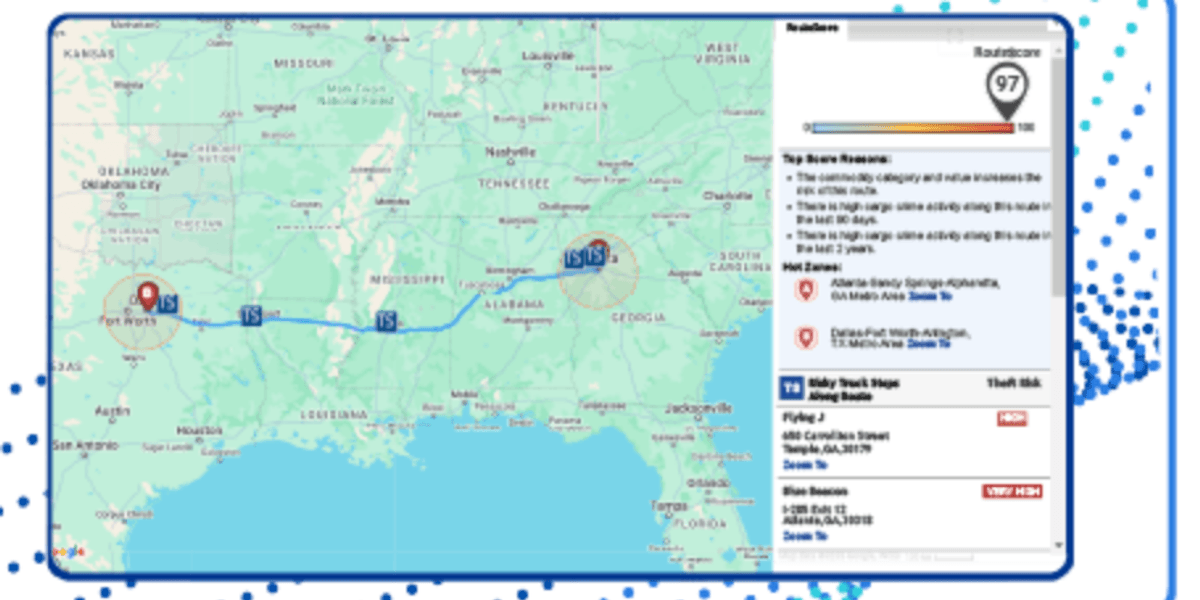
Visibility, they say, is key. Overhaul is pushing for maximum utilization of tracking technology, not just on the truck, but on the cargo itself. The goal: to spot suspicious route deviations, unauthorized stops, or the separation of cargo from its conveyance. This sounds standard, but the emphasis here is on fullest extent. It’s not enough to have a GPS tracker on the tractor; you need eyes on the goods.
Ultimately, the Q1 2026 cargo theft report is a wake-up call. The decline in overall incidents is a statistical mirage, masking a more dangerous, sophisticated, and pervasive threat. Shippers need to pivot from simply securing loads to actively verifying identities and processes at every touchpoint. The era of brute force theft might be waning, but the age of cunning deception has arrived, and it’s hitting the supply chain hard.
FAQ
What is a deceptive pick-up in cargo theft? A deceptive pick-up is a cargo theft method where criminals use fake identities, forged documents, and impersonation to fraudulently collect freight, rather than physically breaking into a trailer.
Are cargo theft incidents decreasing overall? While overall cargo theft incidents in the US saw a 6% year-on-year decline in Q1 2026, specialists warn this masks a rise in sophisticated criminal tactics and high-value targeting, keeping the overall threat level high.
What types of cargo are most targeted? Electronics remain the most frequently targeted cargo, accounting for 17% of all thefts. However, automotive cargo theft saw a significant surge, rising 142% compared to Q4 2025 and 51% year-on-year.