And just like that, a few scribbled words on a diplomatic napkin—or whatever passes for high-stakes negotiation these days—have sent crude oil prices into a tailspin. Sunday evening saw futures slide roughly $5 a barrel, a dramatic pivot from the tensions that have been choking supply routes, particularly the Strait of Hormuz. Suddenly, the world isn’t quite so worried about tankers becoming the latest collateral damage.
But here’s the kicker, the part that always makes my journalistic cynicism tingle: the announcement of a potential deal is enough. We’re not talking about a signed treaty, not about ships actually moving freely, just the suggestion that the U.S. and Iran might be talking about talking. And the market, bless its volatile heart, is already pricing that in.
This whole kerfuffle around the Strait of Hormuz has been a poster child for supply chain vulnerability. Throttling that critical waterway has been doing a number on energy costs globally, and if you think your wallet hasn’t felt it at the pump, well, you might be living under a particularly well-insulated rock. We’re talking average U.S. gas prices hovering $1.50 above pre-crisis levels. And the International Energy Agency? They’re flagging depleted global crude inventories at a pace that’s frankly alarming.
Is This Deal Real, or Just a Blip?
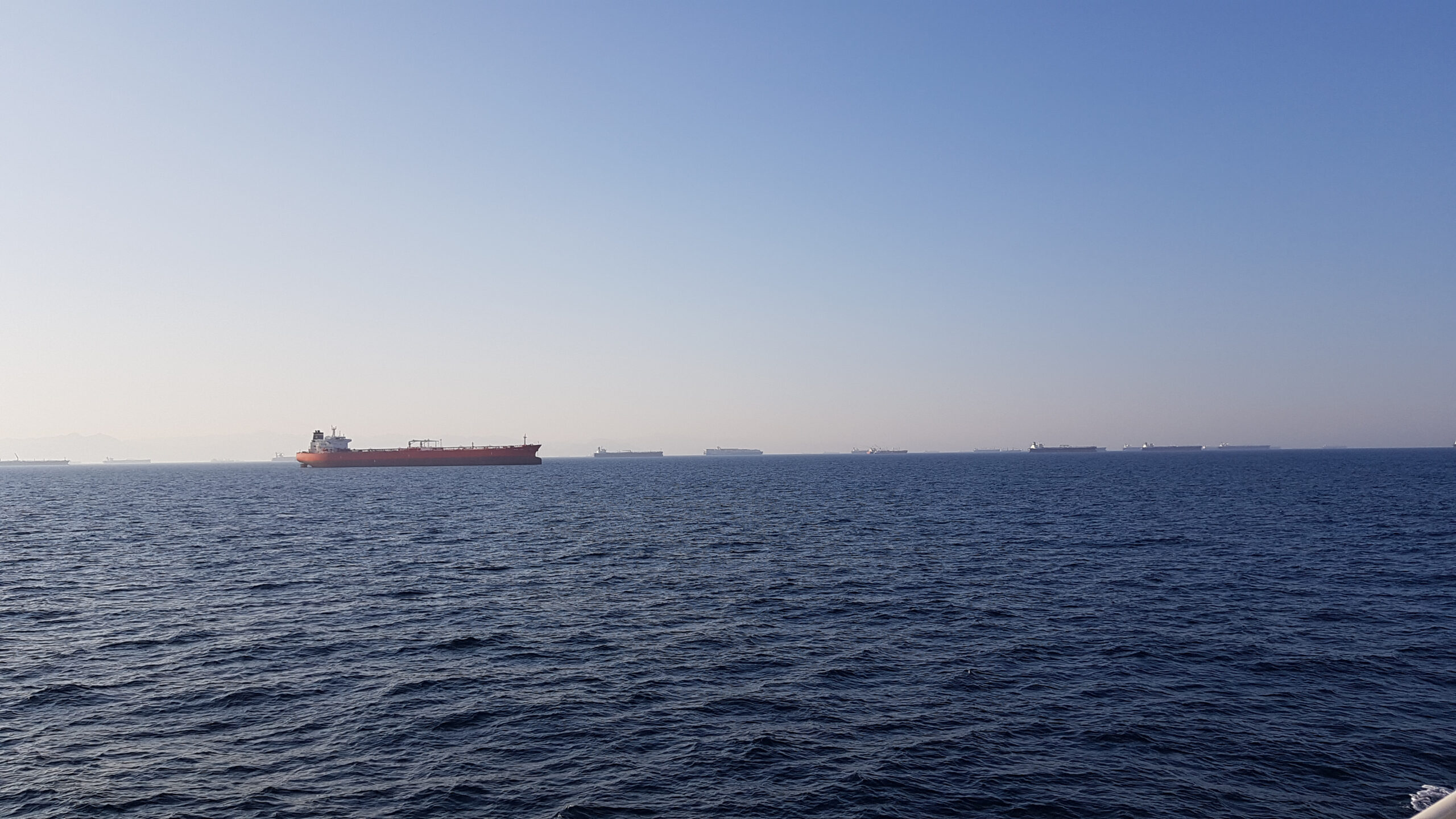
Futures for Brent crude, the global bellwether, dipped back below the $100 mark, closing around $98.76 on Sunday—a neat 4.62% haircut from Friday’s close. This is the market breathing a collective, albeit premature, sigh of relief. But let’s inject a dose of reality, shall we? Even if someone, somewhere, shakes hands on an agreement to open up that vital strait, the ripples will be felt for months. The IEA’s mid-May estimates were grim: some 14 million barrels of oil per day blocked from their usual routes. Saudi Arabia and the UAE have rerouted some volume via pipelines, but it’s a drop in the bucket compared to what normally flows through that narrow passage. This waterway, remember, handles about a fifth of the world’s maritime oil and LNG trade. Production cuts by some Persian Gulf nations due to full storage tanks mean it’s not a simple flick of a switch to get things back to normal.
Patrick De Haan of GasBuddy, a guy who lives and breathes gas prices, summed it up with characteristic flair. His take:
“Gas prices are currently falling but until we see an agreement signed & a significant amount of ships transit through the Strait, the national average price of gasoline will likely remain well above $4/gal.”
That’s the crux of it. The implication of confidence is one thing; actual, tangible movement of goods is another entirely. Shippers are notoriously risk-averse. Will they trust the waters immediately? Will they risk insurance premiums, security escorts—all the baggage that comes with navigating a freshly de-mined, freshly reopened chokepoint? And let’s not forget that some of the biggest fuel-hungry markets in Asia are weeks away by sea, even under normal circumstances. So, even if the ink dries on a deal tomorrow, we’re not suddenly going to see a flood of crude washing ashore.
Who Actually Benefits Here?
This is where the real story lies. Who is making money? It’s not just about who’s selling oil, but who’s profiting from the disruption and the subsequent calm. The companies that provide alternative transport solutions—pipelines, different shipping routes—they’ve had a field day. And the speculative traders who bet on price swings? They’re likely doing just fine, regardless of whether prices go up or down. For the average consumer, the relief is tenuous. For the governments involved, it’s a complex geopolitical dance with energy security as the prize. But for the folks who manage the actual infrastructure, the ones dealing with de-mining, repairing damaged facilities, and coaxing depleted wells back to life? They’ve got months, possibly years, of grueling work ahead. ClearView Energy Partners wasn’t sugarcoating it, noting that restarting production and restocking inventories could take “multiple calendar quarters to years.”
This whole episode feels less like a resolution and more like a temporary pause. The underlying fragility of global energy supply chains hasn’t vanished. It’s just been momentarily obscured by the prospect of diplomacy. And for those of us who’ve watched Silicon Valley hype and industry buzzwords for two decades, this feels eerily familiar: a lot of noise, a lot of speculation, and the lingering question of who really comes out ahead when the dust finally settles.
Why Does This Matter for Global Trade?
What we’re witnessing is a stark reminder of how interconnected the world is, and how fragile those connections can be. The Strait of Hormuz isn’t just a body of water; it’s a vital artery. Its blockage didn’t just affect the price of gas; it sent shockwaves through manufacturing, shipping, and ultimately, every consumer good that relies on oil or its derivatives. The potential reopening, even if tentative, signals a de-escalation that could lower shipping costs, reduce inflation pressures, and generally make the business of moving goods around the planet a little less nightmarish. But the lessons learned about diversifying supply routes and building resilience won’t disappear with a handshake.