The air in Washington is thick with speculation, not just about policy shifts, but about a potential diplomatic gambit that could redraw regional fault lines. Reports are surfacing of an agreement between the U.S. and Iran, a pact designed to de-escalate immediate tensions and, critically, ease pressure on a strained global oil market. At its core, the proposed memorandum of understanding (MOU) is a 60-day ceasefire extension, a fragile window during which the vital Strait of Hormuz would reopen, Iran would regain the ability to freely sell its oil, and crucially, talks would commence on reining in its nuclear ambitions. This isn’t about permanent peace yet; it’s about averting a larger conflict and a crippling blow to oil supply.
Why it matters: The implications are immediate and far-reaching. An escalation of the ongoing conflict could have sent shockwaves through the global economy, particularly impacting energy prices. This deal, if it holds, offers a much-needed reprieve. However, a significant question looms: Will this temporary thaw lead to a lasting resolution that addresses President Trump’s core nuclear demands, or is it merely a strategic pause to regroup?
Market Dynamics Under Pressure
The State of Play: A Fragile Accord
Both President Trump and mediating parties have signaled an announcement could be imminent, potentially as early as Sunday. Yet, the deal remains unfinalized, a constant reminder of the complex and often volatile nature of such high-stakes negotiations. It could, just as easily, unravel.
A U.S. official, speaking on background, has laid out a detailed outline of the draft agreement. Much of this information has been corroborated by other sources with direct ties to the discussions. While Tehran has also indicated that a resolution is within reach, they have yet to officially confirm the specifics.
What’s Inside the Tentative Deal
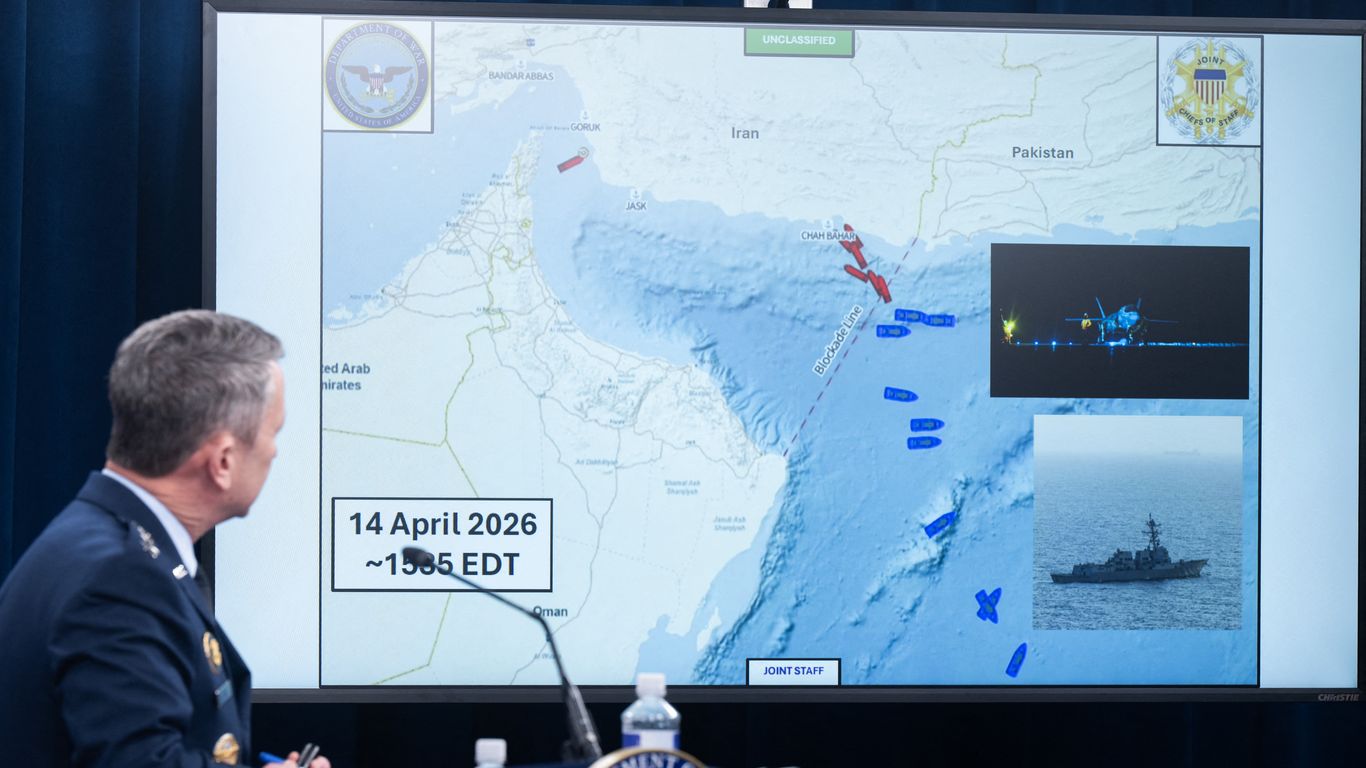
At the heart of the proposed MOU lies a 60-day term, extendable by mutual agreement. During this period, the Strait of Hormuz would be declared open, free of tolls, and Iran would commit to clearing the mines it has strategically deployed, ensuring unimpeded passage for shipping. In return, the U.S. would ease its blockade on Iranian ports and issue select sanctions waivers, effectively allowing Iran to resume unrestricted oil sales.
The official readily acknowledged the economic boon this would represent for Iran but emphasized the significant relief it would also provide to the global oil market. The underlying principle, as articulated by the official, is “relief for performance.” This means the pace at which Iran clears mines and facilitates shipping will directly influence the speed of U.S. sanctions relief.
Iran’s initial desire for immediate fund unfreezing and permanent sanctions relief has reportedly been met with U.S. insistence on tangible concessions first. It’s a classic quid pro quo, but the stakes here are exceptionally high.
Nuclear Issues: The Unfinished Business
The draft MOU, while focused on immediate de-escalation, does contain crucial commitments from Iran regarding its nuclear program. These include a pledge to never pursue nuclear weapons and to enter negotiations aimed at suspending its uranium enrichment activities and removing its stockpile of highly enriched uranium.
Sources familiar with the discussions suggest Iran has verbally committed to certain concessions on enrichment and nuclear material disposition through intermediaries. The U.S., in turn, would agree to negotiate sanctions relief and the release of Iranian funds. However, any concrete steps in these areas would be contingent upon the successful implementation of a final, verifiable agreement.
U.S. forces, recently mobilized in the region, would maintain their presence during the 60-day period, with withdrawal dependent on the finalization of a comprehensive deal.
The Intrigue of Regional Stability
A particularly intriguing aspect of the draft MOU is its inclusion of a commitment to end the conflict between Israel and Hezbollah in Lebanon. Israeli Prime Minister Benjamin Netanyahu reportedly voiced concerns about this condition during a recent call with President Trump, though he presented his case in a reportedly respectful manner.
The U.S. official clarified that this is not intended as a one-sided ceasefire. Should Hezbollah rearm or initiate attacks, Israel would retain the right to take action. “If Hezbollah behaves, Israel will behave,” the official stated, underscoring a delicate balancing act. “Bibi has his domestic considerations, but Trump has the interests of the U.S. and the global economy to think about.”
How We Got Here: A Diplomatic Tightrope
President Trump has reportedly been sounding out key Arab and Muslim leaders, all of whom have expressed support for the proposed deal. This diplomatic outreach, according to sources, included discussions with the UAE’s President Mohammed bin Zayed, as well as leaders from Saudi Arabia, Qatar, Egypt, Turkey, and Pakistan — nations actively involved in mediation efforts.
Pakistan, in particular, appears to be playing a central role, with Field Marshal Asim Munir reportedly leading mediation efforts in Tehran. This push comes after a period where Trump had seemingly wavered between advancing this deal and considering a more aggressive military response.
The Bottom Line: A Risky Bet for Global Markets
This proposed agreement is, in essence, a high-stakes gamble. It prioritizes immediate de-escalation and economic relief over the immediate satisfaction of all demands, particularly concerning Iran’s nuclear program. The market will be watching closely. The reopening of the Strait of Hormuz and increased Iranian oil exports could inject much-needed supply into a market already grappling with geopolitical instability. However, the enduring uncertainty surrounding the nuclear negotiations and the potential for renewed hostilities means this 60-day window is less a bridge to lasting peace and more a temporary reprieve.
My unique insight here is drawing a parallel to the uneasy détente of the late Cold War. Both sides were willing to engage in limited de-escalation, not out of trust, but out of mutual recognition of the catastrophic consequences of outright conflict. This deal, if it materializes, signals a similar pragmatic calculus, a tacit acknowledgment that a full-blown war serves neither the U.S. nor Iran, and certainly not the global economy.
The skepticism, however, must remain. Past agreements have been fragile, and Iran’s strategic calculations are notoriously opaque. The effectiveness of this deal hinges entirely on verifiable performance and a genuine commitment to de-escalation from all parties involved. Until then, it’s a tightrope walk, with the global oil market holding its breath.
Is This Deal Sustainable?
The primary driver behind this potential agreement appears to be the immediate need to prevent a wider regional conflict and stabilize global oil markets. The 60-day ceasefire and the reopening of the Strait of Hormuz are tangible steps towards de-escalation. However, the core issues, particularly Iran’s nuclear program and its regional influence, remain largely unaddressed in this initial phase. The success of the MOU will hinge on whether these 60 days can build enough trust and momentum for substantive negotiations on these more complex challenges.
What Does This Mean for Global Oil Prices?
If the deal leads to a sustained reopening of the Strait of Hormuz and the unhindered flow of Iranian oil to the market, it could significantly ease current price pressures. Iran’s oil production capacity, while affected by sanctions, is substantial enough to impact global supply. A successful de-escalation would likely temper speculative trading and contribute to more stable, potentially lower, oil prices in the short to medium term. The key will be whether the ceasefire holds and sanctions are truly relaxed to allow for consistent export levels.