So, what does this whole hoopla about the US releasing new data on the Strait of Hormuz and global reserves actually mean for your average Joe or Jane trying to get their hands on anything from shampoo to semiconductors? It means, potentially, a little less guessing about oil prices and a lot more information — or at least, a different flavor of information that’s been vetted by folks who usually keep this stuff under lock and key.
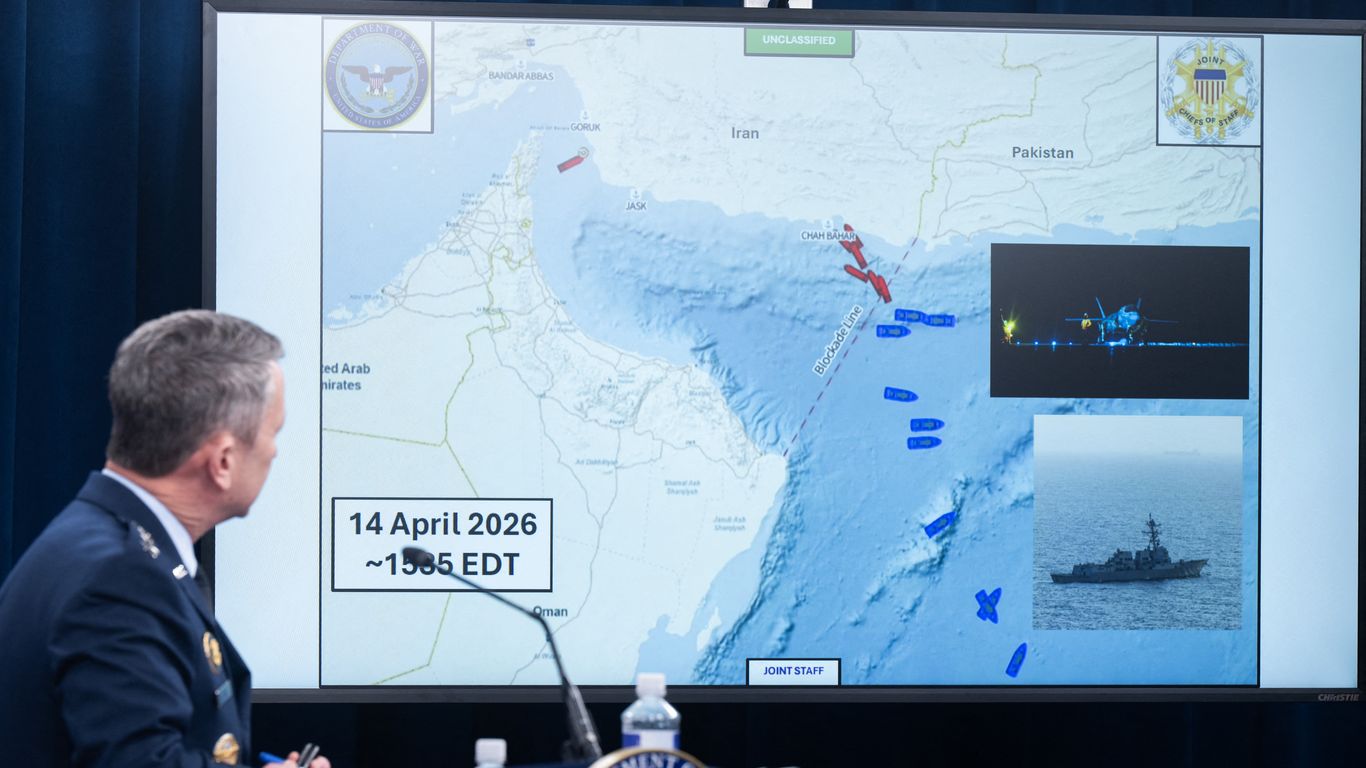
We’re talking about a significant data release from the U.S. government that’s set to shed light on two rather critical pieces of the global economic puzzle: the sheer volume of oil and gas transiting the Strait of Hormuz, that notoriously chokepoint, and the state of global energy reserves. For years, we’ve been fed snippets, estimates, and the occasional dire warning from the headlines. Now, we’re promised actual numbers, figures that could, in theory, provide a clearer picture of just how fragile or strong our energy supply chain really is.
Why Should You Care About the Strait of Hormuz?
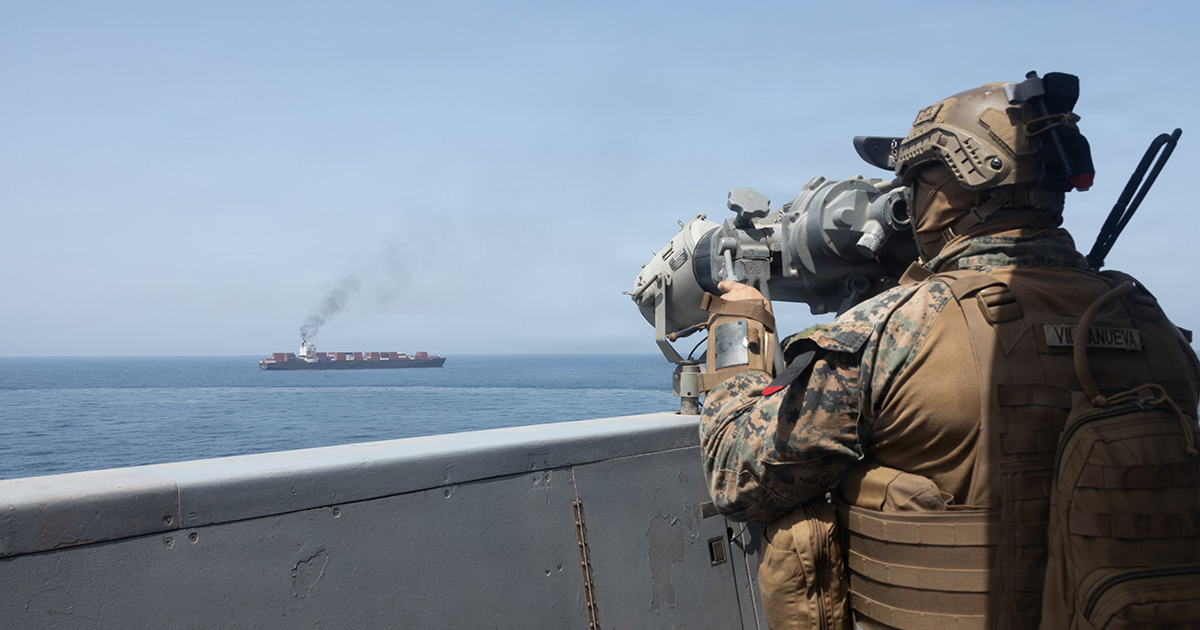
Look, most of us aren’t charting tanker routes on a daily basis. But if you’ve ever filled up your car, paid an electricity bill, or bought anything that’s been shipped across the ocean, you’ve indirectly felt the impact of this narrow waterway. About 20-30% of the world’s seaborne oil trade flows through the Strait of Hormuz. That’s a colossal amount. If something goes sideways there – and history hasn’t exactly been kind to that region – prices for everything tend to spike. This new data aims to quantify that risk, or perhaps, reveal it’s less precarious than we thought.
It’s like having a doctor finally give you the full blood panel results instead of just saying, “You seem a bit tired.” More data, less conjecture. And for those of us who’ve watched oil futures dance on the head of a pin based on speculative tweets, this could be a welcome dose of reality.
Who Is Actually Making Money Here?
This is the question, isn’t it? The U.S. government, through agencies like the Energy Information Administration (EIA), is the entity doing the unveiling. Their goal, ostensibly, is to provide transparency and aid market understanding. But let’s be honest, greater transparency can also mean greater control over narratives. If the data shows strong reserves and manageable transit, it can calm markets and bolster confidence in current geopolitical strategies. If it highlights vulnerabilities, well, that’s a different conversation – one that often involves increased defense spending or calls for more energy independence (which, surprise, often benefits domestic energy producers).
Then there are the commodity traders, the hedge funds, the oil majors. They’ll be dissecting this data like vultures on a carcass, looking for any edge that translates into profit. A subtle shift in reserve levels or a precise measurement of Hormuz traffic could be the difference between a winning bet and a losing one.
“Access to accurate and timely information regarding global energy flows and storage is paramount for ensuring market stability and informing sound energy policy decisions.”
That’s the kind of PR-speak you expect. But beneath the polished veneer, it’s all about who gets to set the price of a barrel of oil, and by extension, the cost of doing business globally.
A Blast from the Past: Deja Vu All Over Again?
This isn’t entirely new territory. The government has always collected and disseminated energy data. What’s different now is the stated intention to make it more illuminating. Back in the days of the dot-com boom, we saw a similar flurry of information releases meant to legitimize new tech ventures. This feels different, though. This is about tangible, physical commodities that power the entire global economy. The stakes are exponentially higher.
My unique insight here? This isn’t just about providing data; it’s about shaping perception. In a world increasingly wary of supply chain disruptions and geopolitical instability, controlling the narrative around energy security is a powerful tool. The question is whether this data will empower the market or just provide a more detailed roadmap for those already pulling the strings.
We’ve seen this playbook before, haven’t we? Tech companies hyping AI for everything under the sun, promising utopia while their VCs count their riches. This is the energy sector’s version of that. Lots of talk about clarity, but the real beneficiaries are often those who can act on the information fastest and most decisively.
What Does This Mean for Your Wallet?
Ultimately, for the guy or gal filling their gas tank, the impact might be subtle at first. If the data confirms what analysts already suspect – that supplies are stable and Hormuz is functioning – then we might not see immediate price shocks. However, if the data reveals unforeseen vulnerabilities, it could signal a period of increased volatility. Think of it as a new weather report for the global economy. Sometimes it tells you it’s going to be sunny, and sometimes it warns of a storm. And just like with weather forecasts, it’s the actionable intelligence that matters.
This is about more than just numbers on a spreadsheet. It’s about the invisible hand of economics, guided by information, and its very visible impact on every single one of us.
🧬 Related Insights
- Read more: Lucid’s Revenue Miss: Did Anyone Actually Expect Better?
- Read more: FedEx Freight Bets Big on RNG: What It Means for LTL
Frequently Asked Questions
What is the Strait of Hormuz? The Strait of Hormuz is a narrow waterway connecting the Persian Gulf to the Gulf of Oman and the open ocean. It’s a critical chokepoint for global oil transportation.
How much oil passes through the Strait of Hormuz? Approximately 20-30% of the world’s seaborne oil trade transits through the Strait of Hormuz on a daily basis.
Will this data change oil prices immediately? It’s unlikely to cause immediate drastic changes unless the data reveals a severe and previously unknown vulnerability. However, it can influence market sentiment and long-term price expectations.