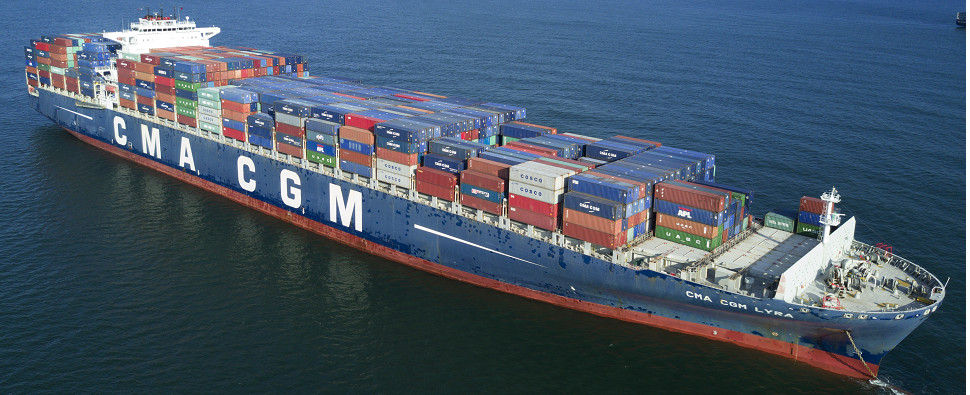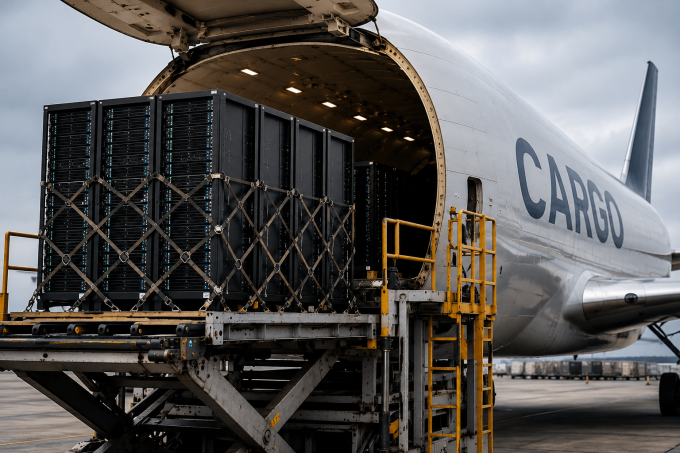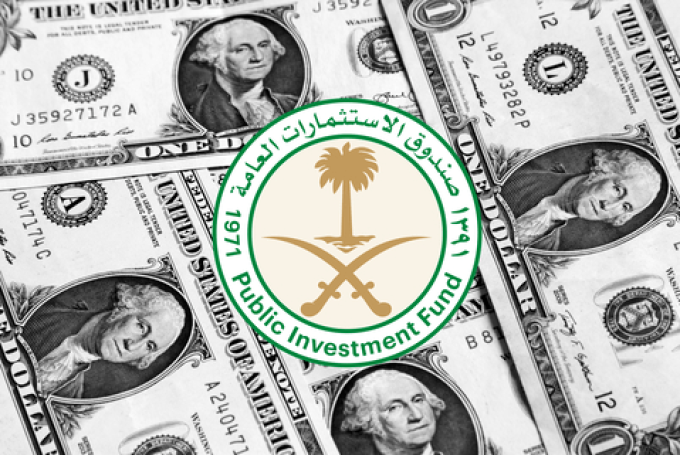
Are we witnessing the return of state-backed behemoths in global logistics, dictated by geopolitical winds rather than pure market economics? It certainly feels that way. Recent whispers, now gaining traction after months of behind-the-scenes discussions, suggest Saudi Arabia’s Public Investment Fund (PIF) is seriously considering a bold move: pooling its existing logistics investments and forging a single, dominant global player. This isn’t just a ripple; it’s a potential tsunami, echoing strategies already pioneered by the UAE’s Dubai (with DP World) and Abu Dhabi (via AD Ports and Noatum Logistics) years ago.
This isn’t entirely new territory, of course. Nations have long used strategic investments to bolster key industries, and logistics is undeniably critical. But the timing, and the context, feels particularly charged. The specter of intensified US-Iran tensions, coupled with broader global instability, seems to be acting as an accelerant, pushing sovereign wealth funds to solidify their positions and perhaps create national champions capable of weathering geopolitical storms.
The Market’s Jitters
Look, the shipping and logistics sectors have always danced with geopolitics, but it feels like we’re back in the ballroom after a prolonged absence. Rates, for the most part, are holding steady, which might seem counterintuitive given the escalating global tensions. Yet, beneath this surface calm, a significant restructuring is brewing, driven by entities with deep pockets and strategic mandates that stretch far beyond quarterly earnings reports.
We’re seeing major carriers like Maersk continue their aggressive investment strategy, reportedly buying a stake in OceanX. This kind of consolidation, driven by both market forces and strategic capital, is a hallmark of a sector ripe for consolidation. Meanwhile, other players like OOCL are finding themselves entangled in court, a stark reminder that the waters can get choppy for even the established names.
But it’s the PIF’s potential move that really redefines the game. Think of it: a single, Saudi-flagged logistics entity with the financial backing of one of the world’s largest sovereign wealth funds. This isn’t just about efficiency or market share; it’s about strategic influence and national security in a world where supply chains are increasingly viewed as extensions of foreign policy.
Why Does This Matter for Global Trade?
This isn’t just about Saudi Arabia flexing its financial muscles; it’s a signal of a broader trend. When sovereign wealth funds begin to orchestrate such massive consolidations, it fundamentally alters the competitive landscape. Smaller, independent players, or even publicly traded giants without state backing, might find themselves outmaneuvered, unable to compete with the deep, patient capital and strategic alignment of a national initiative.
The implications are far-reaching. Will this lead to more efficient, resilient supply chains, or will it create new barriers to entry and potentially stifle innovation? History offers a mixed bag. State-backed enterprises can sometimes achieve scale and efficiency that private entities struggle to match, particularly in capital-intensive industries like shipping. However, they can also be susceptible to political interference, market distortions, and a slower pace of adaptation when strategic goals diverge from commercial realities.
It’s worth remembering the historical parallels. Post-World War II, many nations saw the strategic importance of controlling their maritime assets, leading to periods of significant state ownership in shipping lines. The PIF’s move, while modern in its execution, taps into this age-old understanding of logistics as a critical national asset. This isn’t just an investment; it’s a geopolitical statement packaged as a business strategy.
This move by the PIF, if materialized, would represent a significant reshaping of the global logistics landscape, driven by strategic national interests as much as by commercial opportunities. It forces us to ask: Is the era of pure, unfettered market competition in shipping truly over?
We’ve already seen PIL shining in certain segments, indicating pockets of resilience and opportunity even within a consolidating market. But a unified Saudi logistics powerhouse could dramatically alter trade flows, port investments, and the very economics of global shipping. It begs the question: Who’s next to build their own global logistics empire out of strategic necessity?
🧬 Related Insights
- Read more: Interroll Buys Apollo Group, Fills Vertical Conveyor Gap
- Read more: Labor Crunch Finally Robots the Warehouse Dock
Frequently Asked Questions
What is Saudi Arabia’s PIF?
The Public Investment Fund (PIF) is Saudi Arabia’s sovereign wealth fund, responsible for investing the kingdom’s wealth to diversify its economy beyond oil. It’s one of the largest sovereign wealth funds globally.
Is this consolidation a good thing for the shipping market?
The impact is complex. It could lead to greater efficiency and stability due to the significant capital backing. However, it also raises concerns about market concentration, potential unfair competition, and reduced flexibility for smaller players.
Will this US-Iran tension directly cause this investment?
While the US-Iran tensions are cited as an accelerant, the PIF’s exploration of a logistics consolidation play is likely a longer-term strategic initiative. Geopolitical instability, however, can certainly hasten the desire for greater control over critical infrastructure like supply chains.