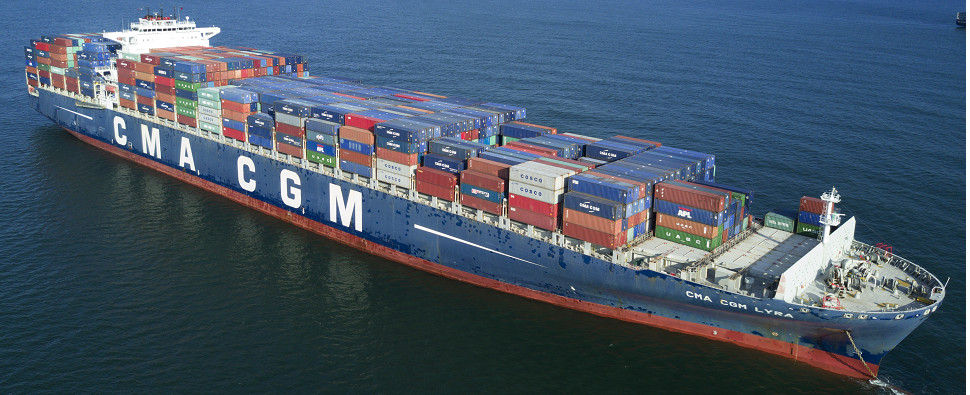
So, here’s the skinny: CMA CGM, one of the biggest shipping outfits on the planet, is still grumbling about the Middle East. Specifically, the Strait of Hormuz, which, shocker, isn’t exactly smooth sailing these days. What does that translate to for you and me? More detours. Longer transit times. And yeah, probably higher prices because, let’s be honest, someone’s gotta foot the bill for all this rerouting and increased insurance premiums.
Look, the company put out its first-quarter numbers, and they’re… fine. Mostly unchanged revenue at $13.2 billion. But peel back that layer of corporate speak, and you see profits getting squeezed. EBITDA, that fun little acronym for earnings before the fun stuff, is down over 30%. Why? Weaker freight markets (read: less demand, lower prices for carriers) and operating expenses that are apparently doing a cost-of-living adjustment of their own, going up.
Chairman Rodolphe Saadé is out there saying they’re resilient. And sure, they’re a massive company, they can probably weather this. But resilience for them might mean a slightly less enormous profit margin. For the rest of us? It means more headaches. They’re not just sailing around the problem; they’re talking about “alternative multimodal transport solutions.” That’s fancy talk for putting stuff on trains or trucks instead of ships for parts of the journey. More steps, more chances for delays, more opportunities for things to go wrong.
Who’s Actually Paying for This Mess?
This whole Strait of Hormuz kerfuffle isn’t some temporary blip. Industry watchers are starting to call it a “long-term structural challenge.” That means carriers have been fiddling with schedules and rerouting for months, and it’s not going to magically fix itself. Think about it: every single container that has to take the long way around, or get transferred to a truck, adds cost. And those costs? They don’t just vanish. They get passed down, piece by piece, until they land on your doorstep with your next online order.
Despite all this, their shipping volumes technically went up a smidge – 1.5%. But the money they made per container? Down nearly 10%. So, they’re moving more stuff, but making less money doing it. This is where the diversification kicks in. CMA CGM is trying to cushion the blow by expanding its logistics and infrastructure businesses – think ports, air cargo, even buying up UK rail operators. It’s smart business, sure, but it also tells you how shaky the core ocean freight business is right now.
The company’s diversification strategy provided an important buffer against weakness in container shipping.
This is the part the press release probably doesn’t scream about: their non-shipping ventures are helping them stay afloat while the main game hits turbulence. It’s like a restaurant that’s really good at selling t-shirts to make up for slow dinner service.
Is This Just Another Corporate Complaint Session?
Every time there’s a hiccup in global trade, someone’s gonna complain. But the Middle East situation is more than just a temporary snag. We’re talking about a region that’s a linchpin for global oil and trade routes. When that’s unstable, it’s like a persistent, low-grade fever for the entire global economy. CMA CGM is just the messenger, delivering the uncomfortable news.
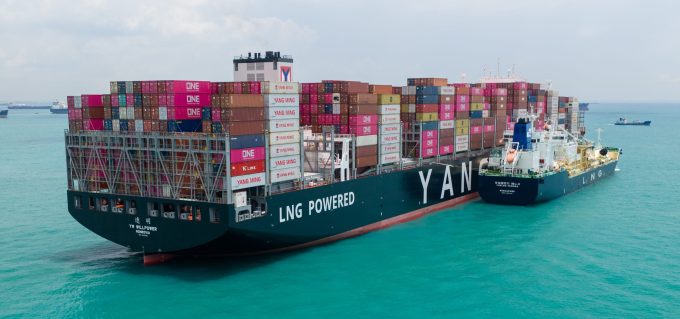
They’re still pushing ahead with new routes and expanding in places like India – even ordering new LNG-powered ships and partnering on AI research. They’re playing the long game. But that doesn’t make the immediate future any less… well, murky. They’re cautious for the rest of 2026. Rising oil prices, shifting trade policies – it’s a cocktail of uncertainty that’s keeping shipping markets under pressure. So, buckle up. That next package might take a little longer to get here, and it might cost a bit more. Just another Tuesday in the wild world of global logistics.