Interroll Holding AG, a significant player in material handling automation, has officially acquired Royal Apollo Group, a Netherlands-based specialist in vertical conveying, logistics, and baling solutions. This move isn’t just about adding another company to the roster; it’s a calculated play to consolidate market share and expand service capabilities in a key segment of the automation market.
The deal, terms of which remain undisclosed, positions Interroll to absorb Apollo Group’s established manufacturing footprint—three sites in total—and its global network for sales, service, and spare parts. This integrated approach is designed to offer customers support across the entire lifecycle of their equipment, from initial setup and commissioning to ongoing maintenance and modernization.
Filling a Crucial Portfolio Gap
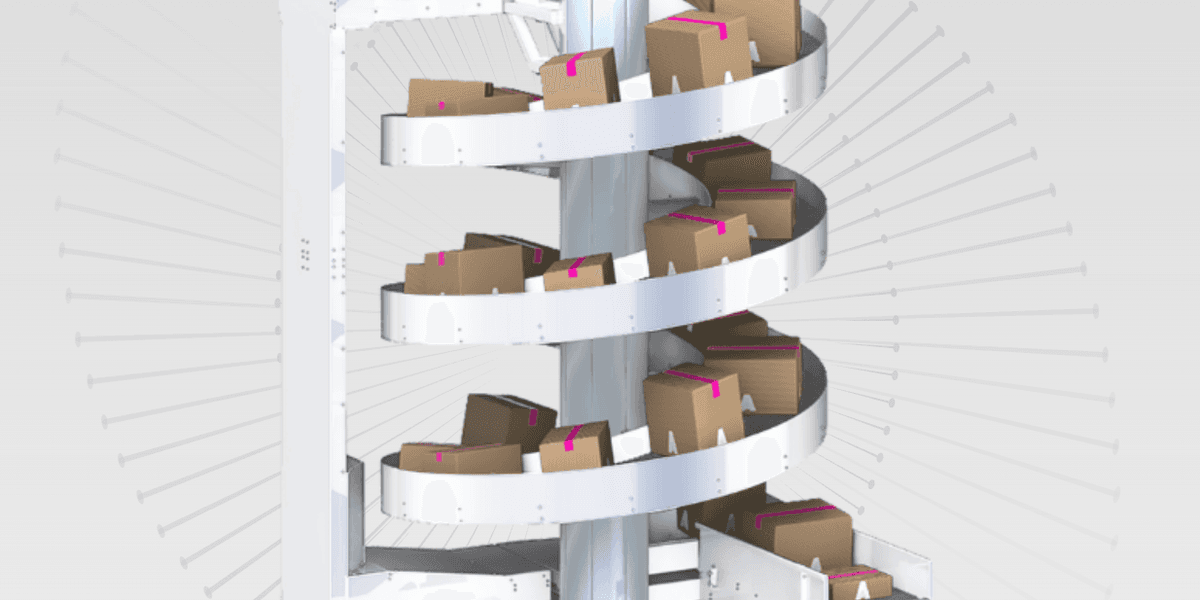
Markus Asch, CEO of Interroll, was unequivocal about the strategic advantage this acquisition brings. “With this acquisition, we add Royal Apollo Group’s spiral conveyor technology to Interroll’s conveying portfolio, closing a gap in our offering and strengthening our lifecycle services and spare parts business.” It’s a straightforward admission of a product white space that Apollo Group’s expertise will now fill. This isn’t about disrupting the market with radical innovation, but about achieving critical mass and completeness in an existing, high-demand product category.
“This move gives us access to Interroll’s much wider global network, an opportunity we would not have had if we remained independent,” Claudia van den Pol, CEO and owner of Royal Apollo Group, said in a release.
The complementarity of the businesses was a key driver, according to Asch, who emphasized a future focus on integration. The goal? Making this expanded product range accessible to Interroll’s existing customer base and system integrators, while also tapping into new markets facilitated by the combined entity. For Apollo Group, the appeal is clear: immediate access to a global infrastructure it might have taken years to build independently.
The Logic of Consolidation in Automation
Look, the material handling automation space is consolidating. Companies like Interroll are increasingly looking to acquire specialized capabilities rather than build them from scratch, especially when that means faster market entry and immediate revenue synergy. Apollo Group’s strength in vertical conveying—think those space-saving spiral systems that are indispensable in high-density warehouses—was a clear target.
This isn’t just about adding a product line; it’s about enhancing lifecycle services and spare parts. In the world of automation, downtime is incredibly expensive. A provider that can offer strong, integrated support for its entire suite of products, including niche but vital components like vertical conveyors, gains a significant competitive edge. Interroll is betting that by bringing Apollo Group into the fold, it can turn a potential bottleneck for customers into a consistent revenue stream from maintenance and parts.
Is This a Game-Changer, Or Just Smart Business?
Let’s be clear: this is smart business, not a paradigm shift. Interroll isn’t suddenly going to offer AI-driven robotic forklifts it previously lacked. What it is doing is ensuring it has a complete solution for a very common warehousing requirement. The market for vertical conveyors isn’t necessarily explosive, but it’s stable and essential, particularly as e-commerce continues to drive demand for efficient, space-optimized fulfillment centers.
The integration process will be the critical factor. While both CEOs express optimism about aligning product development and go-to-market strategies, the practicalities of merging operations, sales forces, and IT systems can be challenging. Interroll’s ability to smoothly absorb Apollo Group’s capabilities will determine the true success of this acquisition beyond the initial press release. It’s a move that strengthens their position, yes, but the real value will be unlocked through effective integration.
The fact that the terms of the deal weren’t disclosed is, frankly, standard practice for these types of acquisitions. What matters more is the strategic fit, and on paper, it looks solid. Interroll just bought itself a very important piece of the automation puzzle.
What Does Royal Apollo Group Bring to the Table?
Royal Apollo Group’s core strength lies in its spiral conveyor technology. These systems are designed to move products vertically within a compact footprint, which is a major advantage in facilities where floor space is at a premium. They also offer integrated logistics and baling solutions, suggesting a broader capability in material handling that extends beyond just conveying.
How Does This Impact Interroll’s Existing Offerings?
This acquisition directly addresses a perceived gap in Interroll’s product portfolio. By adding Apollo Group’s vertical conveyor technology, Interroll can now offer a more comprehensive end-to-end conveying solution. This enhances their ability to serve a wider range of customer needs within the material handling automation sector, particularly in warehousing and fulfillment operations where space efficiency is paramount.
What Are the Risks for Interroll?
The primary risk is always in the integration process. Merging two companies, even complementary ones, can lead to operational hiccups, cultural clashes, and challenges in realizing projected synergies. Interroll needs to ensure that Apollo Group’s established customer relationships and service standards are maintained and enhanced, rather than disrupted, during the integration. Financial performance of the acquired entity post-acquisition will also be a key indicator of success.