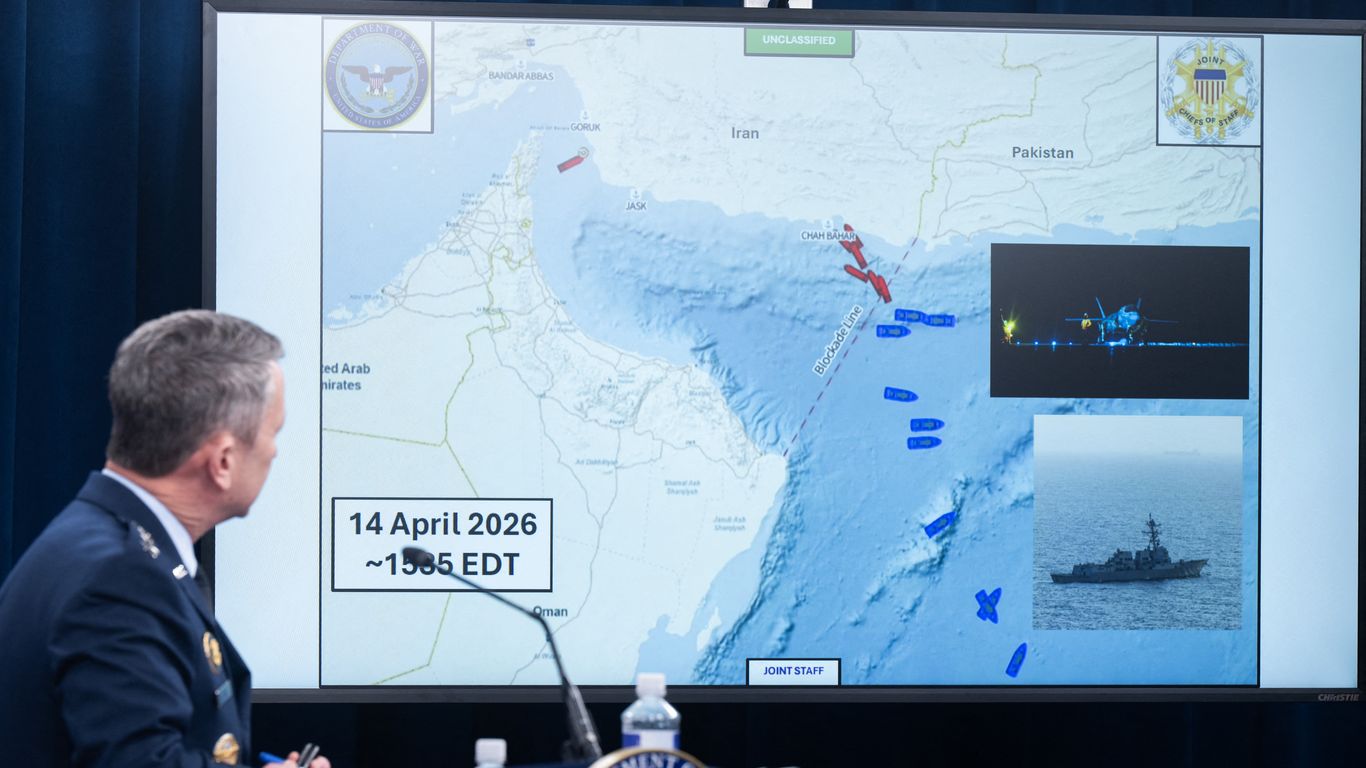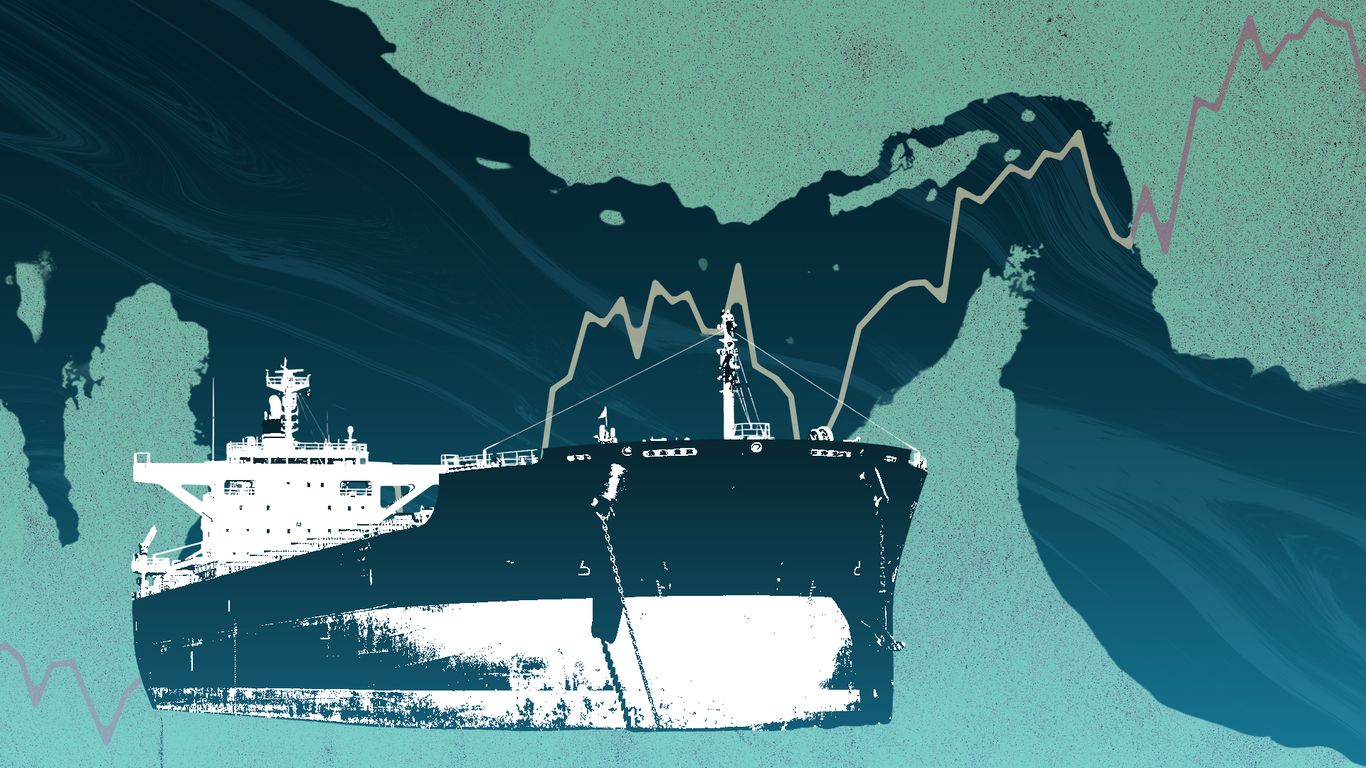
The strategic chokepoint of Hormuz, the artery for roughly 20% of global oil and a significant chunk of LNG, has effectively seized up. With diplomatic overtures yielding little and a U.S. naval blockade tightening the screws, the waterway is now experiencing a shutdown so severe that only one major tanker has dared to breach its near-total closure in the last ten days.
The VLCC Idemitsu Maru, a behemoth carrying some 2 million barrels of Saudi crude destined for Japan, finally emerged from the Persian Gulf on Tuesday. Its journey, hugging Iran’s coastline near Qeshm and Larak Islands, was a solitary feat. It’s the sole non-Iran-linked supertanker to clear the Gulf in that span, and crucially, the first Japan-affiliated vessel to make the transit since the traffic collapse in late February. This single vessel’s passage underscores the near-complete paralysis gripping this critical maritime artery.
Traffic at a Standstill, or Near Enough
Iran’s restrictions on shipping, coupled with Washington’s broad naval blockade targeting Iranian vessels, have reduced normal transit volumes to a whisper. Iranian exports are suffering most acutely. Unable to move its crude freely, Tehran is increasingly relying on its fleet of older tankers as floating storage facilities, a clear indicator of immobility. Meanwhile, U.S. naval forces are effectively corralling much of the Iran-linked shipping within the Gulf and surrounding waters, intensifying the squeeze. The market impact is already palpable; crude prices have seen volatility, and premiums for prompt cargoes are creeping higher as supply fears fester.
Why Does This Matter for Global Trade?
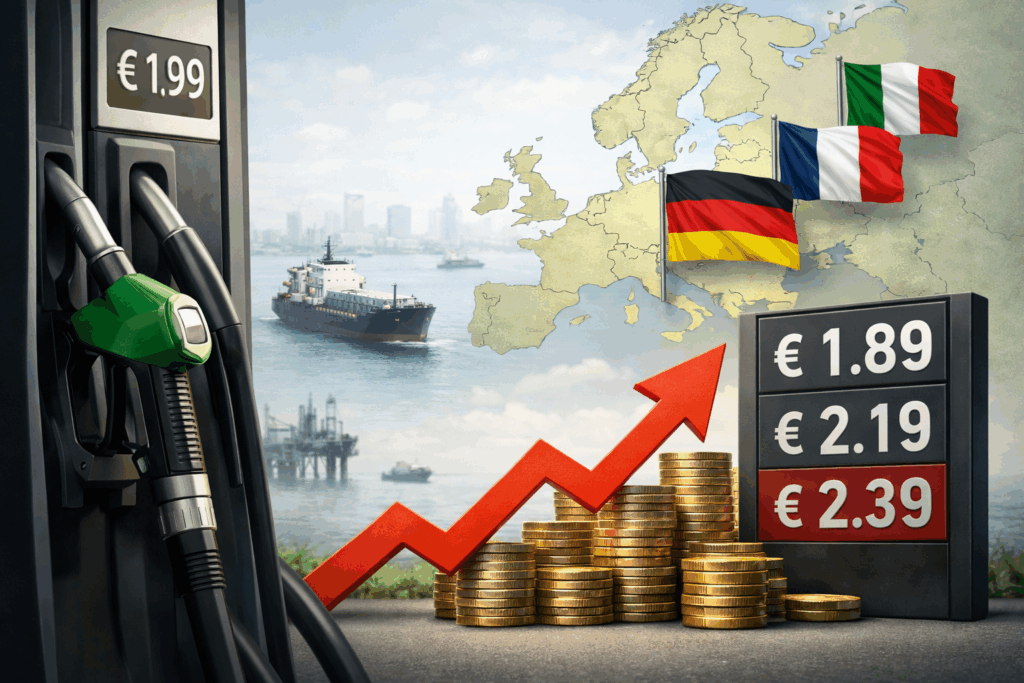
This isn’t just about oil. The Strait of Hormuz is a linchpin for global commerce. Its closure sends ripples through every sector reliant on stable energy inputs and predictable shipping schedules. Think about it: the cost of shipping is skyrocketing as vessels are rerouted around the Cape of Good Hope—a costly, time-consuming detour that adds weeks to journeys and drives up freight rates. For industries from manufacturing to retail, this translates directly to higher operating costs and potentially inflated consumer prices. It’s a stark reminder that geopolitical instability in one corner of the world can have immediate, tangible economic consequences across continents. We’re talking about the potential for inflationary pressures to persist, supply chain resilience to be further tested, and businesses that just months ago were eyeing expansion now facing a stark new reality of uncertainty.
The standoff, now in its third month, shows no signs of a swift resolution. Washington appears prepared for a protracted confrontation, while Tehran has signaled it won’t budge on reopening the strait or returning to negotiations until U.S. maritime restrictions are lifted. This entrenched position creates a high-stakes game of chicken with the global economy as the collateral.
Minimal Ship Activity: A Trickle, Not a Flow
Beyond the Idemitsu Maru, maritime activity has been sparse. Since Tuesday, only a handful of other vessels—some bulk carriers, a chemical tanker, an LPG carrier, and a single container ship—have managed to exit the Gulf. A small number of inbound bulk carriers, apparently carrying foodstuffs into Iran, have also been logged. The fact that several Iran-linked ships, having departed the region, are still lingering in the Gulf of Oman only adds to the confusion, begging the question: are they waiting for safer passage, or simply making short regional hops?
The Veil of ‘Dark Shipping’
For vessels still attempting passage, they’re being funneled into a narrow northern corridor, operating under Iranian supervision. But even this limited traffic is difficult to accurately track. A significant number of ships, particularly those associated with Iran, are disabling their Automatic Identification System (AIS) signals. This “dark shipping” practice is a deliberate move to evade detection, meaning the actual transit numbers are likely higher than reported. These vessels often only reappear on tracking systems once they are well clear of the high-risk zone, often near the Strait of Malacca. This opacity makes it incredibly challenging for analysts and traders to gauge the true state of global supply.
My unique insight here is a historical parallel that often gets overlooked: this situation echoes aspects of the “Tanker Wars” of the 1980s during the Iran-Iraq conflict. Back then, both sides actively targeted each other’s shipping, leading to a period of extreme disruption and a reliance on naval escorts and creative evasive tactics. While the actors and specific geopolitical drivers differ, the underlying principle of using maritime choke points as use and the resulting chaos for global trade are remarkably similar. The difference today is the sheer scale of interconnectedness in global supply chains, making any disruption exponentially more impactful.
The Outlook: Anything But Certain
With both sides dug in and shipping risks remaining at elevated levels, the Strait of Hormuz is effectively a no-go zone for the vast majority of international traffic. For global energy markets and complex supply chains, a return to normalcy feels like a distant prospect. The market is pricing in a prolonged closure, and the longer this persists, the more profound the economic fallout will become.