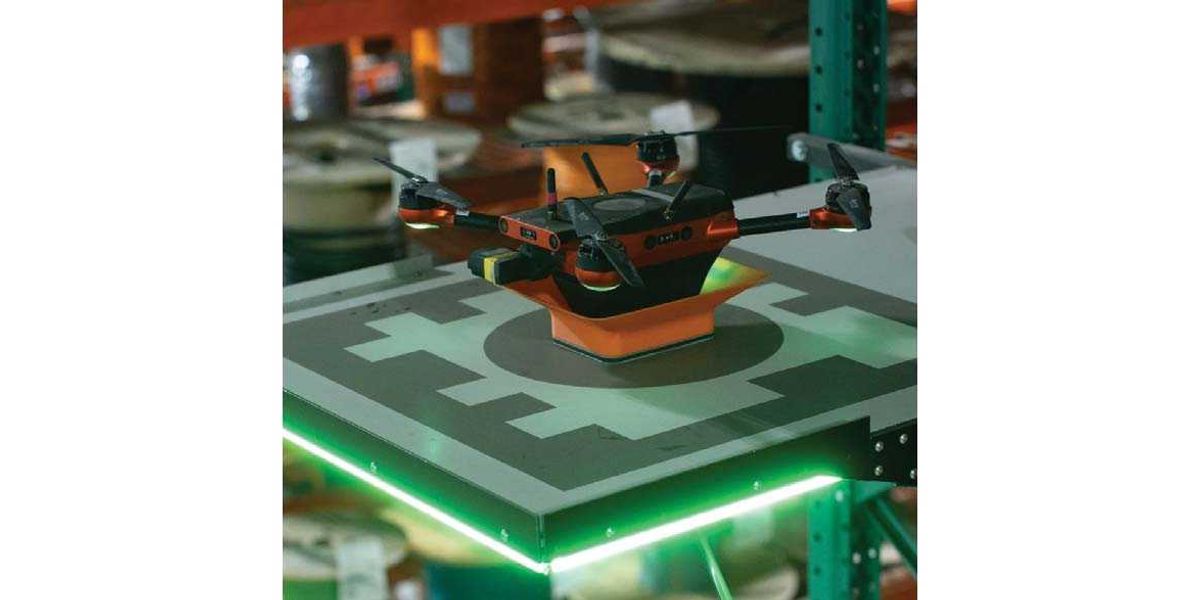
Picture this: a robotic arm, hovering over a mountain of assorted goods in a busy warehouse, not just grabbing, but understanding. Not with clumsy pincers, but with an intelligence so refined it can cradle a delicate egg one moment and heft a heavy toolbox the next. That’s the future that Locus Robotics is betting big on, and they just made a massive down payment by acquiring Nexera Robotics.
This isn’t just another acquisition; it’s a fundamental platform shift happening right before our eyes. Locus, already a leader in the autonomous mobile robot (AMR) space, just infused itself with Nexera’s proprietary NeuraGrasp technology. Think of it like this: Locus has been building the best delivery trucks (those AMRs), but Nexera has just handed them the keys to the most intelligent, adaptable, and downright gentle hands the industry has ever seen.
The Grasp That Changes Everything
So, what’s the big deal about NeuraGrasp? It’s more than just a fancy gripper. It’s a symphony of AI-driven intelligence, an orchestra of onboard sensors, a keen eye thanks to computer vision, all wrapped up in a patented soft membrane that practically molds itself to whatever it touches. This isn’t brute force; it’s finesse on an industrial scale.
“Being able to efficiently grasp millions of SKU [stock-keeping units] types with both speed and precision is where the next decade of value gets created. Nexera has built something technically significant in that space, and combining it with Locus Array puts us at the forefront of leveling up mobile manipulation across the industry.”
That’s Rick Faulk, the CEO of Locus Robotics, painting a picture of a future where robots can handle the wild, unpredictable variety of items we humans throw at them daily. For years, warehouse robotics have been good at moving things, but picking individual items with any real dexterity has been the Everest of automation. NeuraGrasp claims to be the Sherpa that gets us to the summit.
This tech has been brewing for a while, refined over five years and six generations. It’s been put through the wringer with tens of millions of picks, across a dizzying array of stock-keeping units. The promise? Reliable grasps, every single time, no matter the shape, texture, or weight. This is the kind of innovation that makes you sit up and pay attention, because it addresses the messy, unpredictable reality of physical warehouses.
Why Does This Matter for the Warehouse of Tomorrow?
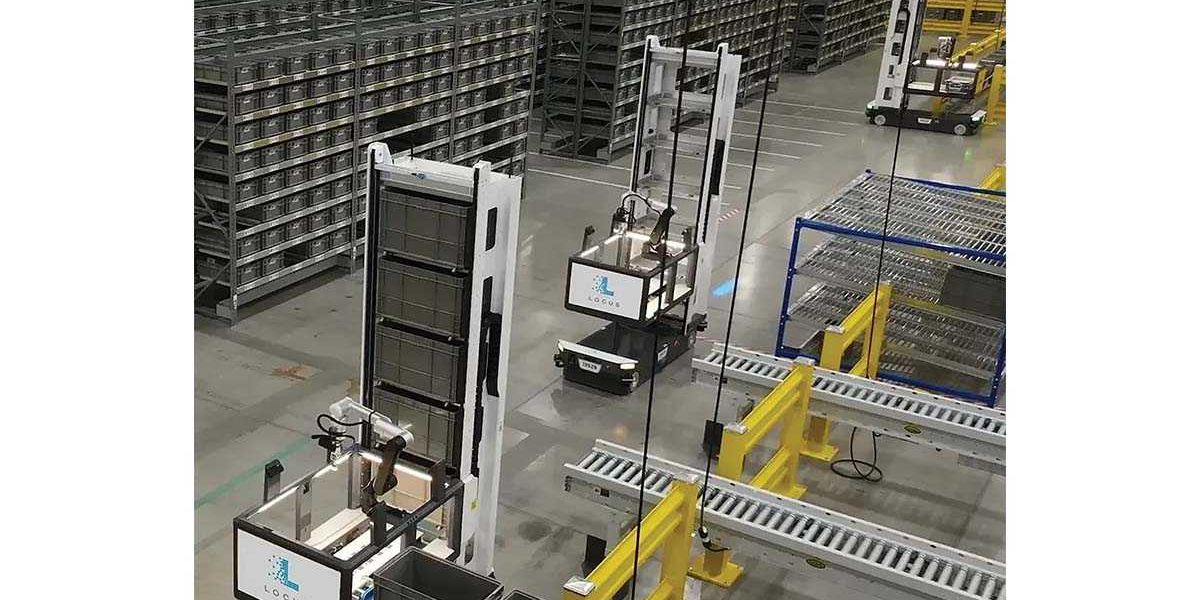
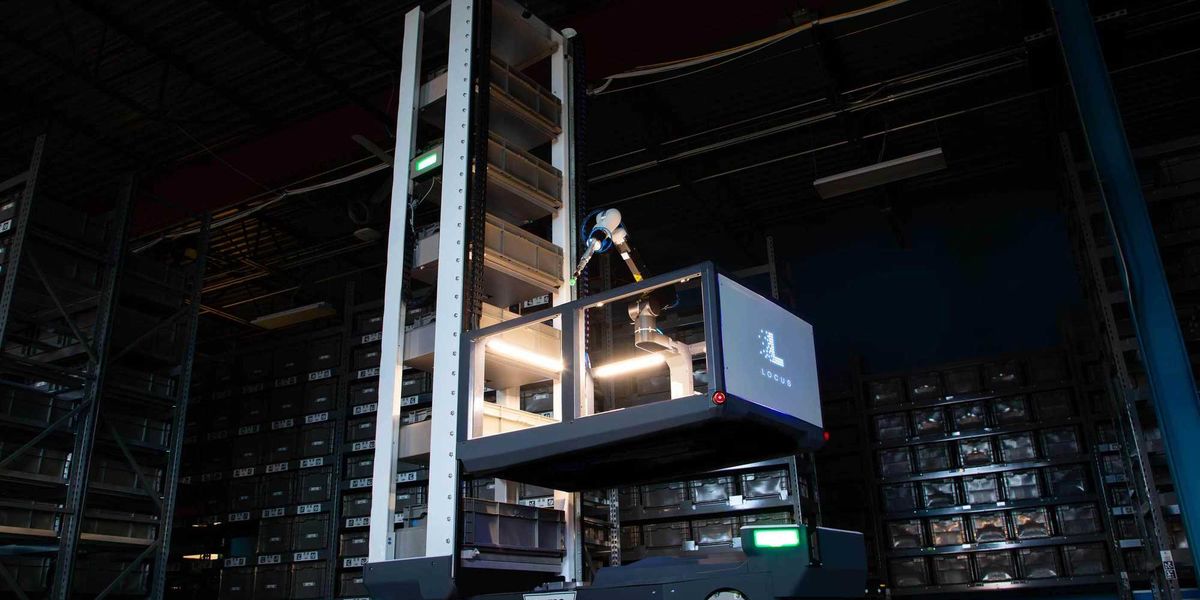
Locus Robotics has been pushing the envelope with its Locus Array system – a robot-to-goods, autonomous fulfillment setup designed for in-aisle picking. Adding NeuraGrasp to this equation isn’t just an upgrade; it’s a superpower. Imagine Array, now equipped with these intelligent hands, not just moving bins but deftly picking individual items. This could dramatically expand the range of products that can be handled autonomously, from the smallest electronic components to oddly shaped apparel.
This acquisition signals Locus’s deep commitment to advancing what they call “AI-driven mobile manipulation at enterprise scale.” It’s a mouthful, but it points to a future where robots aren’t just moving around warehouses; they’re actively participating in the detailed, complex work of fulfillment. This is the next logical leap, moving beyond just transportation to actual manipulation.
Roy Belak, the CEO of Nexera, put it succinctly: “We built NeuraGrasp to solve the manipulation challenges that have held robotic picking back for years.” Now, under the Locus banner, his team gets the scale and the platform to unleash that solution into the high-velocity environments where it’s desperately needed.
The Human Element?
Look, there’s always an elephant in the room with these kinds of advances. Does this mean human jobs are vanishing faster? It’s a valid question, and the reality is complex. What this does mean is that the nature of warehouse work is evolving. Instead of repetitive, potentially strenuous picking tasks, human roles might shift towards overseeing these sophisticated robotic systems, managing exceptions, and performing more complex, judgment-based tasks that even the smartest AI can’t replicate… yet.
The integration of Nexera’s team and leadership suggests a collaborative approach, not a hostile takeover. The goal is to expand manipulation use cases across the entire Locus platform, implying a broader vision for how these robots can serve a variety of fulfillment needs. It’s about augmenting human capability, not just replacing it wholesale. Think of it as upgrading the entire crew with tools that make everyone more effective.
This acquisition isn’t just about Locus getting smarter hands; it’s about the entire supply chain becoming more adaptable, more efficient, and frankly, more wondrously automated. The future of fulfillment is here, and it’s learning to pick with precision.
🧬 Related Insights
- Read more: Freightos’ Q1: 15% Growth Misses Target [Analysis]
- Read more: DOJ Charges Chinese Container Giants with Pandemic Price Fixing
Frequently Asked Questions
What does Nexera Robotics’ NeuraGrasp technology do? NeuraGrasp is an advanced robotic gripper that uses AI, computer vision, and a unique soft membrane to intelligently and reliably grasp a wide variety of items with different shapes, textures, and weights, solving a key challenge in warehouse picking.
How will this acquisition benefit Locus Robotics’ existing customers? The integration of NeuraGrasp into Locus’s Array system is expected to expand the types of items that Locus robots can handle and pick autonomously, potentially increasing efficiency and flexibility in their fulfillment operations.
Has Locus Robotics disclosed the financial terms of the Nexera acquisition? No, the financial terms of the acquisition were not disclosed by either company.