Turns out, the warehouse management system market is expected to hit $5.9 billion by 2026. That’s a lotta zeros. But here’s the kicker: most of that growth isn’t from companies buying entirely new systems, it’s from everyone scrambling to keep up with tech that’s becoming less a differentiator and more a basic expectation. We’re talking about e-commerce exploding, deliveries getting faster than a speeding bullet, and the constant, gnawing need to actually see what’s happening inside your four walls. Suppliers are peddling more than just inventory counts; they’re selling digital mirrors to your operations and phantom labor to solve your staffing woes.
Now, the old-school WMS, the one that just kept a tally, that’s practically ancient history. Today, these systems are supposed to be the conductors of an entire warehouse orchestra—people, robots, and a digital symphony playing in unison. Integration with every shiny new piece of automation? A given. AI? Absolutely essential. It’s not enough to just manage the manual labor anymore; you’ve got to orchestrate the bots too.
Automation: No Longer Optional
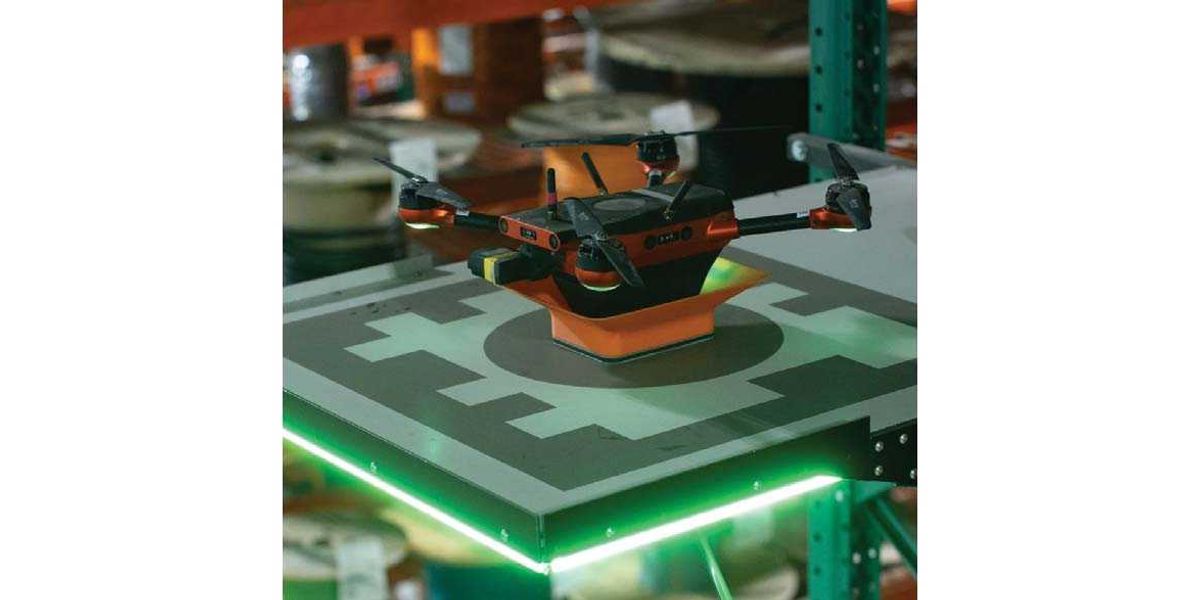
Remember when automation was the fancy upgrade, the cherry on top? Forget that. Now, it’s the whole damn cake. Your WMS needs to play nice with autonomous mobile robots (AMRs), the ones zipping around like caffeinated hummingbirds, and all the other automated gizmos. It’s about figuring out how humans and machines can co-exist without tripping over each other, or worse, each other’s wires. Suppliers are even talking about systems that can predict problems before they even think about happening. Fancy.
AI Takes the Wheel (Sort Of)
Artificial intelligence isn’t just for the sci-fi crowd anymore; it’s in your WMS, supposedly. Think predictive analytics that actually predict something useful, dynamic slotting that moves your stuff around smarter, and decision support that helps you, you know, make decisions. Some systems are touting agent-based tools that can diagnose issues faster than a seasoned IT guy on Red Bull. And chatbots? They’re supposed to make accessing all this data less painful. The real money, though, might be in these low-code platforms that let you tweak things without needing a phalanx of developers.
The Great Convergence
This is where it gets really interesting—and frankly, a bit messy. Your WMS isn’t an island anymore. It’s supposed to be pals with your transportation management system (TMS), your yard management, your labor management, and your order management. Vendors aren’t selling standalone apps; they’re peddling entire execution ecosystems. And AI? It’s supposed to be the glue holding all these disparate systems together, letting you spot stock-outs faster than you can say “supply chain disruption.” They claim AI can see inventory, shipping, and warehousing all at once—a feat that’s often about as easy as herding cats.
The Market is Officially a Smokescreen
And this is the part that keeps me up at night—or at least makes me raise a skeptical eyebrow. As all these trends collide, the market itself is becoming a bewildering fog. You’ve got WMS, WES (Warehouse Execution System), robotics platforms, and planning systems all stepping on each other’s toes. Vendors are describing the same features with different jargon, making it a Herculean task to compare apples to… well, whatever vaguely similar fruit they’re offering.
This blurriness creates a massive disconnect. Traditional ways of dissecting the market—by tier, by how you deploy it—just don’t cut it anymore. ARC, the research firm behind this report, is admitting they’re having to change how they even look at this market. Forget just market size and growth; they’re now focusing on what the darn thing does (functional capabilities), how it’s built (technical architecture), how well it plays with others (integration), and how it uses AI.
“Rather than focusing primarily on market size, segmentation, and historical growth, the approach is placing greater emphasis on: Functional capabilities (e.g., receiving, picking, optimization, labor management); Technical architecture (modularity, scalability, cloud readiness, interoperability); Integration with automation and execution systems; AI capabilities and data utilization; Execution quality and measurable performance impact.”
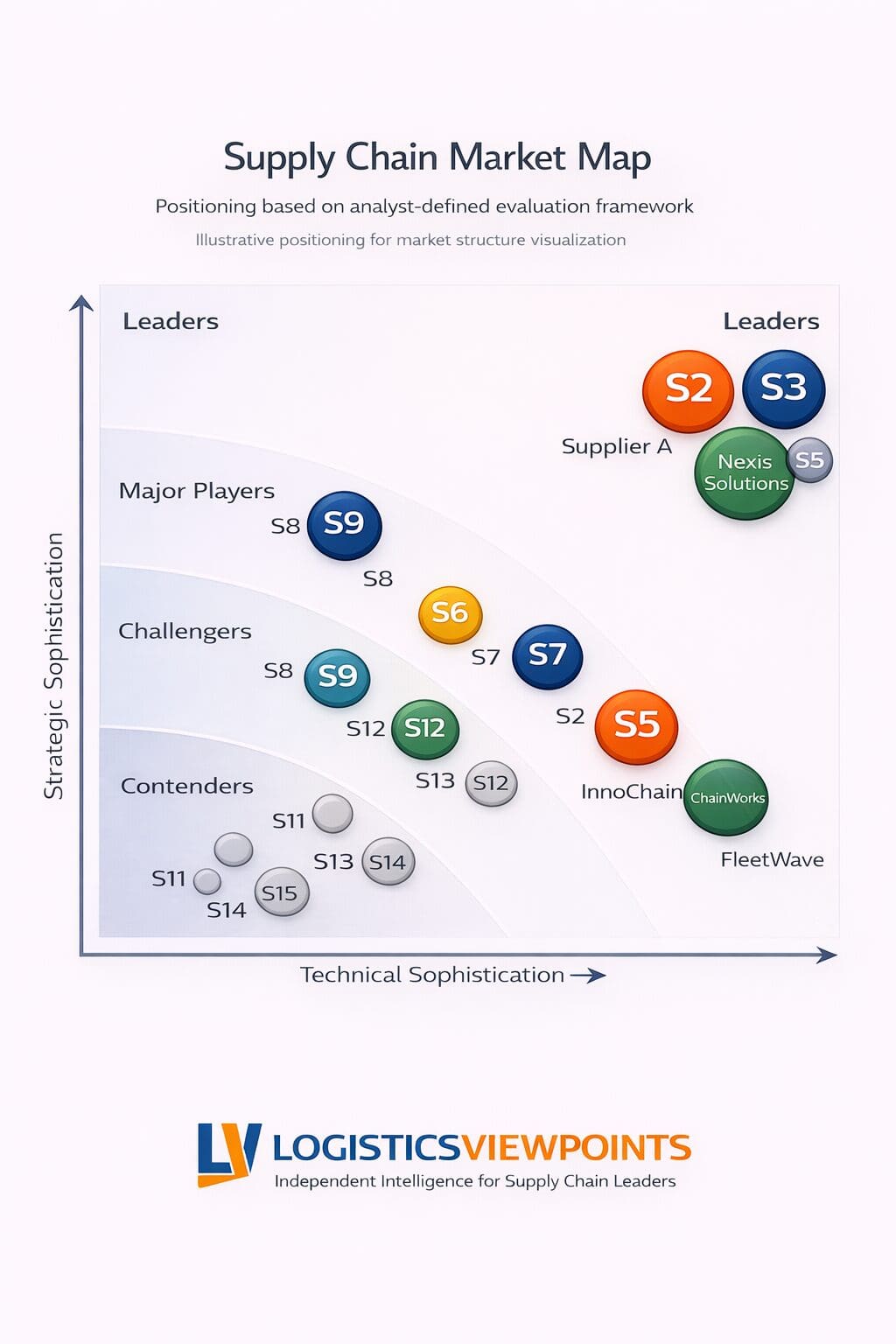
See? They’re finally admitting that what matters is whether the tech works, not just how many buzzwords are in the brochure. The ARC Market Map, whatever that is, is supposed to bring some clarity to this chaos. It maps out where suppliers stand based on what they can do today and where they’re going. Sounds promising. But who’s actually making money here? The vendors selling more complex, integrated solutions, no doubt. The question is, are the warehouses getting a return on that investment, or are they just buying more expensive plumbing?
🧬 Related Insights
- Read more: Supply Chains: Rethink or Perish
- Read more: Trade Fragmentation: Sourcing Shifts to Resilience [2026]
Frequently Asked Questions
What is a WMS and why is it important?
A WMS, or Warehouse Management System, is software designed to control and optimize day-to-day warehouse operations, from receiving and put-away to picking, packing, and shipping. It’s crucial for improving inventory accuracy, efficiency, and responsiveness in fulfillment centers.
Will AI replace warehouse workers?
While AI and automation are changing warehouse roles, they’re more likely to augment human capabilities and create new types of jobs (like robot maintenance or AI oversight) rather than cause mass unemployment. The focus is on improving efficiency and handling tasks that are dangerous or repetitive for humans.
How can I evaluate different WMS solutions?
Given the market’s complexity, focus on specific functional capabilities, the system’s technical architecture (scalability, integration), its ability to connect with automation, and its actual AI features and data utilization, rather than just vendor marketing. Look for measurable performance improvements.