So, the Responsible Supply Chain Conference London is lumbering into town, promising a deep dive into an industry that’s currently got more buzzwords than reliable delivery routes. We’re all supposed to expect grand pronouncements on how companies are saving the planet, one ethically sourced bolt at a time. The reality, as always, is likely far messier. This year, the big narrative is supposed to be about moving from just talking about sustainability to actually doing it, a shift that’s apparently going to transform everything from what’s in your shampoo bottle to how your emissions are tracked. It’s a narrative the PR departments love, but for those of us who’ve watched this movie before, it begs the question: who’s actually making money out of all this virtue signaling?
Is ‘Responsible’ Just Another Buzzword?
This conference aims to be more than just a collection of corporate platitudes. They’re platforming folks who, allegedly, tackle these thorny issues head-on. The organizers boast that they’re focused on determining “whether responsibility is real in practice.” That’s a nice sentiment, and one I’ll be watching with my usual dose of skepticism. Because for years, the supply chain has been this black box where problems are shuffled around, costs are hidden, and sustainability claims often evaporate the moment you peek behind the curtain. Now, with everyone from governments to consumers demanding more transparency, the pressure is on to show actual progress.
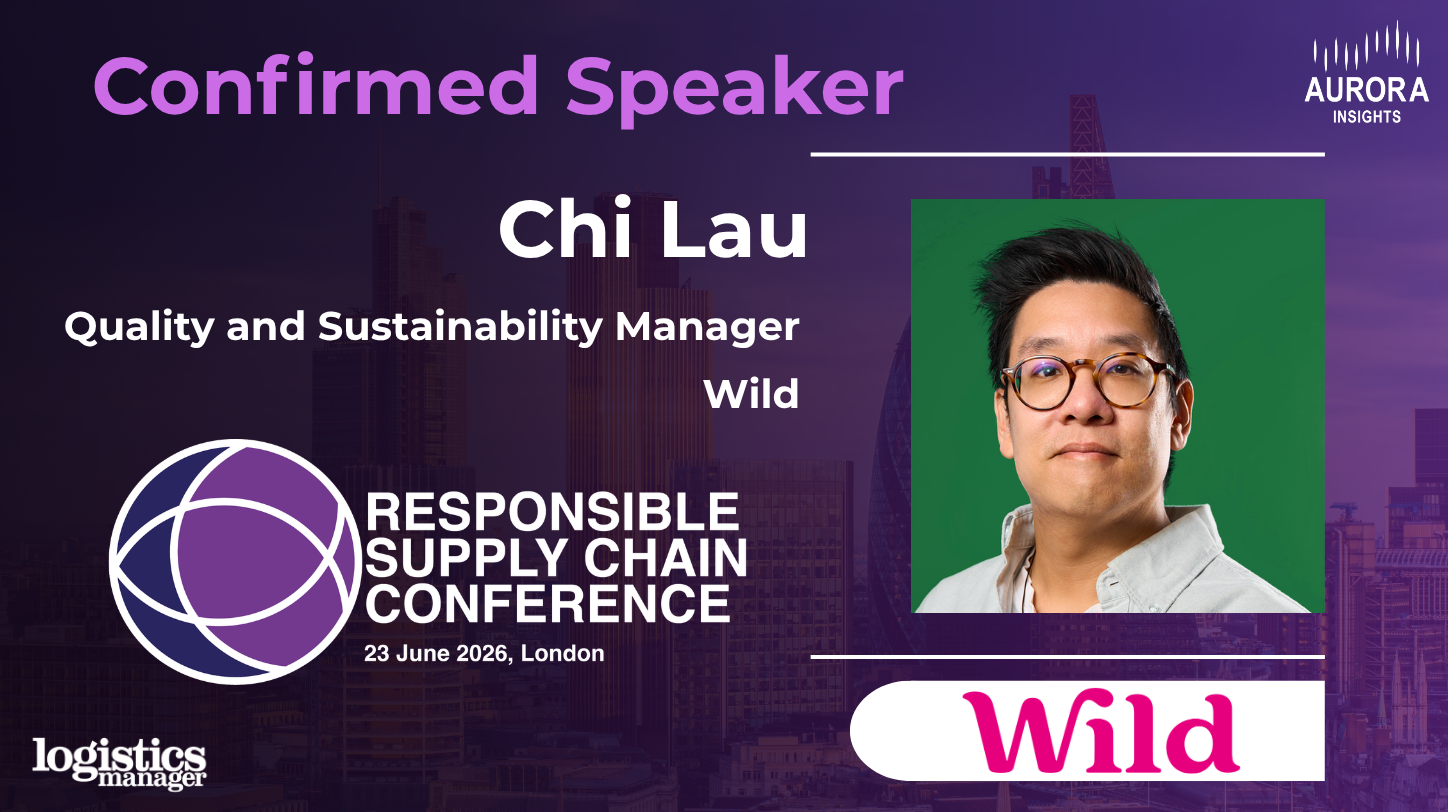
One of the headliners is Chi Lau, the quality and sustainability manager at Wild Cosmetics. Now, Wild is the brand that makes those little deodorant refill pods, which sounds good on paper. Lau’s background is diverse – furniture, toys, homewares, lifestyle. He’s currently wrangling Wild’s end-to-end quality assurance and its sustainability strategy, which includes that all-important GHG emissions reporting and a B Corp recertification. He’s also got that technical chops with value chain visits and certifications like FSC. Sounds like someone who’s actually in the trenches.
The Visibility Mirage
Lau himself hits the nail on the head when asked about the biggest challenge companies face moving from commitment to implementation. His answer? “A lack of visibility and transparency within the supply chain.” It’s so blindingly obvious it’s almost funny. As you dig deeper into the layers of suppliers, things get fuzzy. Reliability plummets, and so does the chance of actually knowing what’s going on. Certification, he points out, is key. And who provides these certifications? Often, it’s the same consulting firms and auditors who are paid handsomely to assess the very systems that lack transparency in the first place. A neat little ecosystem, isn’t it?
As you dive deep into the tiers of the supply system, visibility and reliability diminishes, and the associated risk escalates. Certification plays a crucial role in mitigating this.
This is where the real money is made, by the way. Selling assurances in a system that’s inherently opaque. It’s a business model as old as time.
Scope 3 Headaches and Human Rights
Then there’s the perennial problem of Scope 3 emissions. Companies are drowning in data requests, and getting reliable figures from sprawling supplier networks is a nightmare. Lau suggests a basic tier structure and mapping it out – a seemingly simple approach that requires an immense amount of grunt work and, crucially, buy-in from suppliers. Honest, open discussions are his prescription. Which sounds great, but let’s be honest, how many suppliers are truly eager to have those transparent conversations when they know it might just lead to more costs or demands?
On the human rights front, he’s pushing for regular third-party audits and risk assessment using NGOs. Increasing audit frequency or changing the type – semi-announced or unannounced – is also on the table. Training staff on modern slavery awareness to get year-round visibility is a practical step. But here’s the kicker: these audits and training programs aren’t cheap. Who foots the bill? Usually, it’s the company at the top, trying to deflect risk down the chain, or worse, passing those costs onto the consumer. And how effective are these audits really when the auditors themselves might not have the deep, on-the-ground knowledge needed to spot subtle abuses?
Circularity: The Packaging Paradox
Lau also touches on the circular economy, noting a growing awareness among suppliers. Most of the tangible progress, he says, is still happening on the packaging front. He calls out companies like Reuseabox and FSC-certified suppliers as examples of improving circularity. It’s good that they’re looking at packaging. But the real test of circularity is when you start looking at the fundamental design and manufacturing processes, not just the outer shell. Are we talking about designing products that are actually repairable, or endlessly recyclable, or are we just slapping a ‘green’ label on a slightly less wasteful version of the same old disposable model?
Digital Dystopia or Salvation?
Finally, digital technologies. Lau acknowledges their importance, especially for smaller companies facing resource constraints. Automating processes with tools like Polytag, which uses UV QR codes for traceability, is highlighted. This is where the tech promises to cut through the mess. But it’s also where the new generation of challenges emerge. Who owns this data? How is it secured? Are we just creating more sophisticated ways to track and control, or are we truly empowering everyone in the supply chain with information?
The conference sounds like it’s aiming for a dose of reality. Lau seems to be someone who’s not afraid to get his hands dirty with the complexities. But the perennial question remains: after all the talks, all the certifications, and all the digital tracking, is the system itself fundamentally changing, or are we just getting better at managing the chaos? And more importantly, who’s pocketing the difference?
🧬 Related Insights
- Read more: AI Isn’t Magic, It’s Integration
- Read more: Ocean Freight vs Air Freight: Choosing the Right Shipping Mode
Frequently Asked Questions
What is Wild Cosmetics? Wild Cosmetics is a company known for its sustainable personal care products, particularly its refillable deodorant. They focus on reducing plastic waste and environmental impact.
How does Chi Lau approach sustainability challenges at Wild? Chi Lau leads Wild’s quality assurance and sustainability strategy, including GHG emissions reporting and B Corp recertification. He emphasizes transparency, supplier engagement, and practical implementation steps.
What is B Corp certification? B Corp certification is a designation for businesses that meet high standards of verified social and environmental performance, public transparency, and legal accountability to balance profit and purpose.