Here’s a stat to make your eyes water: In the UK, electric heavy goods vehicles (eHGVs) account for a pathetic 0.16% of all registrations. Globally, it’s a similar story, with just 0.32% in the EU. We’re talking about millions of behemoths on the road, and a mere blink of an eye in electric form. Despite diesel prices doing their best impression of a rocket launch, sales aren’t exactly taking off. The Society of Motor Manufacturers and Traders (SMMT) in the UK just reported a drop in eHGV registrations. Seriously. The market’s stalling, not accelerating.
The Long Haul Hang-Up
Look, for short hops, the last mile, electrifying makes sense. Everyone’s happy to switch. But ask anyone about long-haul trucking, and you’ll hear the same tired refrains: range anxiety, astronomical costs, and the dreaded ‘payload penalty’. That’s where batteries, heavy as they are, eat into how much actual stuff you can haul. It’s a real catch-22.
Now, the shiny new Megawatt Charging System (MCS) promises a fix. Ratified in early 2026, it’s supposed to juice up a massive HGV battery in 30-45 minutes. That’s just about enough time for a mandated driver break. Sounds good, right? Except, as Alex Foote from Heriot Watt University points out, drivers aren’t relaxing when the truck’s tethered; they’re babysitting the damn thing. Plus, you need a universal booking system that actually works, so drivers aren’t left fuming at a broken charger.
And the power demands? Don’t even get me started. Ten MCS chargers at a depot need over 10 MW – that’s the equivalent of 10,000 homes. Your local grid probably can’t handle that, and the cost of upgrading is likely eye-watering.
Beyond Just Faster Charging
Instead of stuffing every truck stop with these behemoth chargers, the smart money – and by ‘smart money,’ I mean people who actually understand logistics – is on a more integrated approach. UK battery outfit Zenobē gets this. They recall a bus company balking at the price of depot charging infrastructure, saying it cost more than the buses themselves and would take years. Zenobē whipped up a solution that slashed that cost by half and got it done in six weeks.
“What we see going wrong in a lot of projects is you have ‘margin squirrelers’ across the supply chain, who are all looking for safety buffers because they’re not responsible for the total result,” says co-founder Steven Meersman. “In contrast, we take the attitude that this isn’t a vehicle problem, this isn’t a charging problem—it’s a problem that’s all about optimizing your whole operation.”
This is the core of it. Zenobē isn’t just selling batteries; they’re offering financing (because grants aren’t always enough) and taking on the risk of battery degradation. How? By giving old batteries a second life – powering charging stations during peak demand (‘peak shaving’) or teaming up with diesel generators on construction sites. This salvaged value gets passed to the customer. Meersman puts it plainly: “This means that the [eHGV] customer only pays for what they use.” That’s a business model, not just a tech demo.
Software: The Unsung Hero?
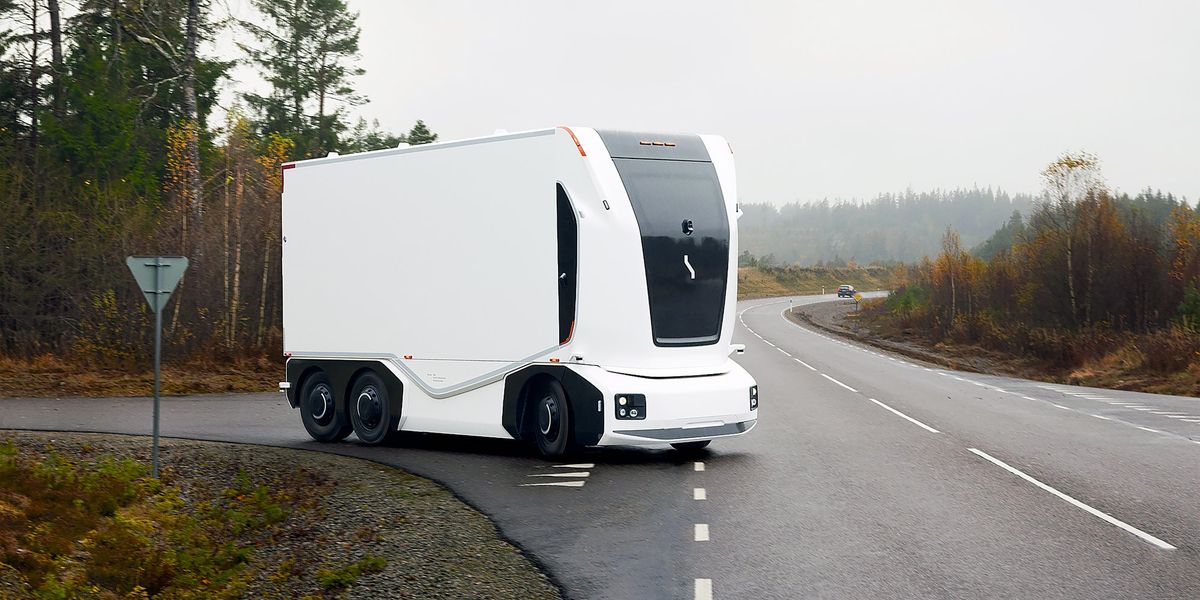
Swedish freight-tech outfit Einride takes a slightly different, yet equally holistic, stab at this. Their pitch? Software. Not just for managing charging, but for optimizing the entire fleet operation – from routing to energy management, integrating with existing infrastructure and even coordinating with other logistics players. They’re talking about a digital layer that makes the whole messy business of running electric trucks actually work. It’s about predictive maintenance, smart energy procurement, and making sure the right truck is in the right place with enough charge, without you having to micromanage every watt.
This isn’t about reinventing the wheel; it’s about creating a better operating system for the trucks that are already here, or will be soon. For years, the focus has been on bigger batteries and faster chargers, the hardware. But the real bottleneck, the thing holding back widespread adoption of electric heavy trucks, might just be the brains of the operation. The software that can untangle the web of charging schedules, energy costs, payload limitations, and driver availability. That’s where the real money, and the real progress, will likely be made. It’s the invisible hand that could finally make these electric giants practical, profitable, and actually useful for the long haul.
It makes you wonder if the hardware companies, busy bragging about kW capacities, are missing the forest for the trees. The true innovation here isn’t just about brute force charging; it’s about intelligence and integration.