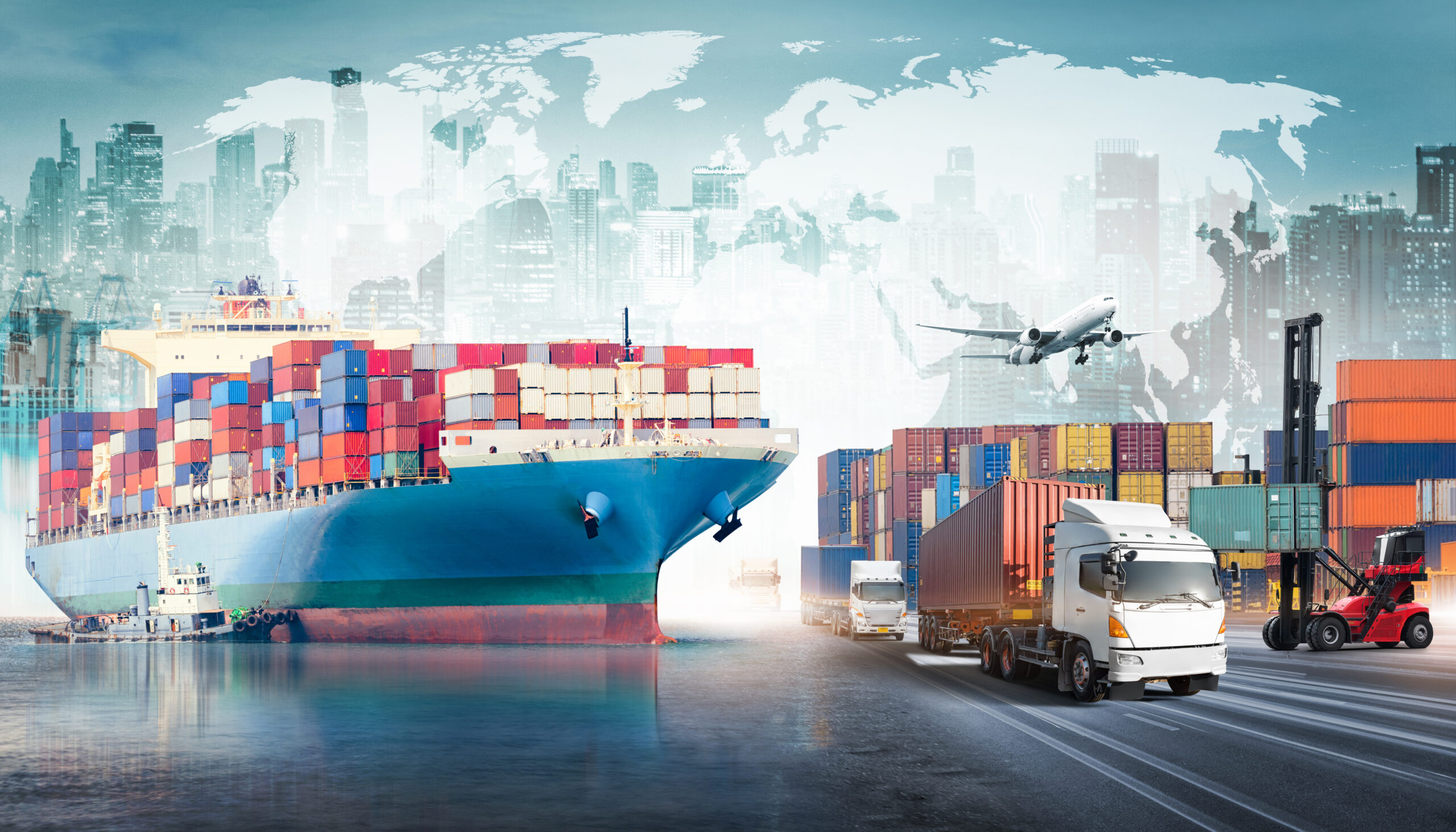
The hum of machinery, the clatter of assembly lines—that’s the soundtrack to industrial might. And right now, in America, that soundtrack is a bit… quiet. We’re talking about rebuilding an entire manufacturing backbone, not just patching it up. McKinsey’s latest dive tells us this isn’t a weekend DIY project; it’s a $2 trillion, all-hands-on-deck, six percent of GDP kind of undertaking to just replace the goods we’re currently importing. And that’s before we even start thinking about the folks to run the machines, the roads to move the stuff, or the power to keep it all humming.
It’s like staring at a vast, empty stage and realizing you need to build an entire opera house from scratch to host a single, critical performance. That’s the sheer magnitude of what we’re discussing when we talk about making the U.S. self-sufficient in strategic manufacturing. We’re not just talking about more factories; we’re talking about creating an entirely new industrial ecosystem.
Is AI the Missing Piece or Just Another Chip on the Shoulder?
Here’s the kicker: among the most glaring deficiencies are advanced electronics, the very brains behind the AI revolution, and essential chemicals. Think about that. The tools that are supposed to propel us into the future are precisely the things we’re most reliant on others to make. It’s a paradox wrapped in a supply chain snarl.
We import a staggering $3 trillion worth of manufactured goods every year. McKinsey’s crystal ball shows that about a quarter of that is what they’re calling “Achilles’ heels”— items so vital to national security, with supply chains so dangerously concentrated, or sourced from rivals who might decide to turn off the tap, that their absence would be catastrophic. We’re talking about vulnerabilities that make geopolitical fractures feel like a minor tremor.
What’s fascinating is the uneven playing field. For textiles, the U.S. is practically starting from zero. But for, say, fossil fuels or transportation gear? We’re in a much healthier position. It’s a patchwork quilt, and some of the most important squares are frayed to the point of near disintegration.
Look, there’s no denying the buzz. Foreign investment’s been pouring in, and legislation like the CHIPS and Science Act is actively pushing for domestic expansion, especially in critical tech. Even administrations with vastly different approaches have prioritized bringing manufacturing back home. It’s a bipartisan dream, albeit an incredibly expensive one.
But here’s where the rubber meets the road, or perhaps, where the silicon chip meets the server rack. Shubham Singhal from McKinsey points out a crucial distinction: while AI-related capital expenditures have exploded – and that’s an understatement, it’s like watching a rocket launch – the overall spending across all manufacturing sectors hasn’t seen that same dramatic uptick. Investors are flocking to AI because the payoff seems almost guaranteed, a digital gold rush.
“Everything related to AI is moving fast because investors believe the reward is there. Whether that is there in every other place — metals, chemicals, etc. — is a bit of a question mark.”
This is the core of the challenge. AI is the gleaming new sports car, drawing all the attention and investment. But the rest of the industrial infrastructure – the concrete, the steel, the chemicals that build everything else – that’s the aging pickup truck that’s struggling to keep up. We need both. We need the innovation and the foundational capacity to build and support it.
So, if a global conflict or another trade war slams the door shut on critical supplies, building that capacity from scratch isn’t just difficult; it’s a monumental task, even with the best intentions of the last few administrations. It’s like trying to build a skyscraper during a hurricane.
Can AI Actually Power a Manufacturing Comeback?
This is where my futurist radar really starts pinging. AI isn’t just a product we need to manufacture; it’s a tool that can radically reshape how we manufacture. Think of it like electricity arriving in the early 20th century. It didn’t just power existing machines; it fundamentally changed what was possible. AI is that kind of platform shift for manufacturing.
Imagine AI optimising every single step, from raw material sourcing to robotic assembly line management, predicting maintenance needs before a single bolt loosens, and personalising production on a scale we can barely fathom. It’s the ultimate efficiency engine. But this requires more than just buying AI software; it requires integrating it deeply into a revitalised industrial fabric, training a workforce that can collaborate with these intelligent systems, and building the digital infrastructure to support it all. It’s a symbiotic relationship, not a one-way street.
The $2 trillion figure? It’s a starting point. It’s the cost of bricks and mortar, of iron and steel. But the true cost of rebuilding America’s manufacturing might lies not just in the tangible assets, but in the intangible – the skilled workforce, the adaptable infrastructure, and the unwavering strategic vision to make it all work. We’re not just rebuilding factories; we’re rebuilding the engine of national resilience, and AI might just be the supercharger we desperately need.
🧬 Related Insights
- Read more: FMCSA Regulator Hits the Road, Market Responds
- Read more: 1,014 Anti-Latino Hate Crimes in 2025: Supply Chain’s Hidden Crisis Explodes
Frequently Asked Questions
What is the main finding of the McKinsey report? The McKinsey report estimates that the U.S. would need $2 trillion, approximately 6% of its GDP, to build the industrial capacity required to replace strategic goods currently imported.
Why is rebuilding U.S. manufacturing so expensive? It’s expensive because it requires not only building new factories and acquiring advanced machinery but also investing in worker training, upgrading infrastructure, and securing energy needs to create a comprehensive industrial ecosystem.
Will AI solve America’s manufacturing problems? AI is a powerful tool that can significantly enhance efficiency and innovation in manufacturing, but it’s not a standalone solution. It requires substantial investment in foundational manufacturing capacity, infrastructure, and a skilled workforce to be truly effective.