Here we go again. The whispers out of the White House are that a deal to, you know, not escalate things with Iran, is still cooking. Not on the front burner, mind you. Senior U.S. officials are briefing reporters that while they’re optimistic, it’s a ‘several days’ kind of situation before Iran’s top brass—yes, even Supreme Leader Mojtaba Khamenei—gives it the thumbs up.
Which, let’s be honest, is code for ‘it’s not done till it’s done, and it could still blow up.’
Who’s Actually Making Money Here?
Look, the pitch is simple enough: avoid more war, ease up on the global oil markets. Music to my ears, sure. But the devil, as always, is in the details. This ‘deal’ – and I use that term loosely because nothing’s signed, sealed, or delivered – is supposed to avoid escalation and decrease pressure on the global oil supply. Great. But does it actually address President Trump’s nuclear demands? The official line is vague, which usually means ‘not really, or at least not to everyone’s satisfaction.’
And then there’s Trump himself, chiming in from his Truth Social soapbox, telling his own negotiators not to rush. “Both sides must take their time and get it right,” he declared. Translation: even he’s not entirely sold, or perhaps he’s just playing to his base. Either way, it adds another layer of ‘will it or won’t it’ to an already murky situation.
Why Does This Matter for Global Trade?
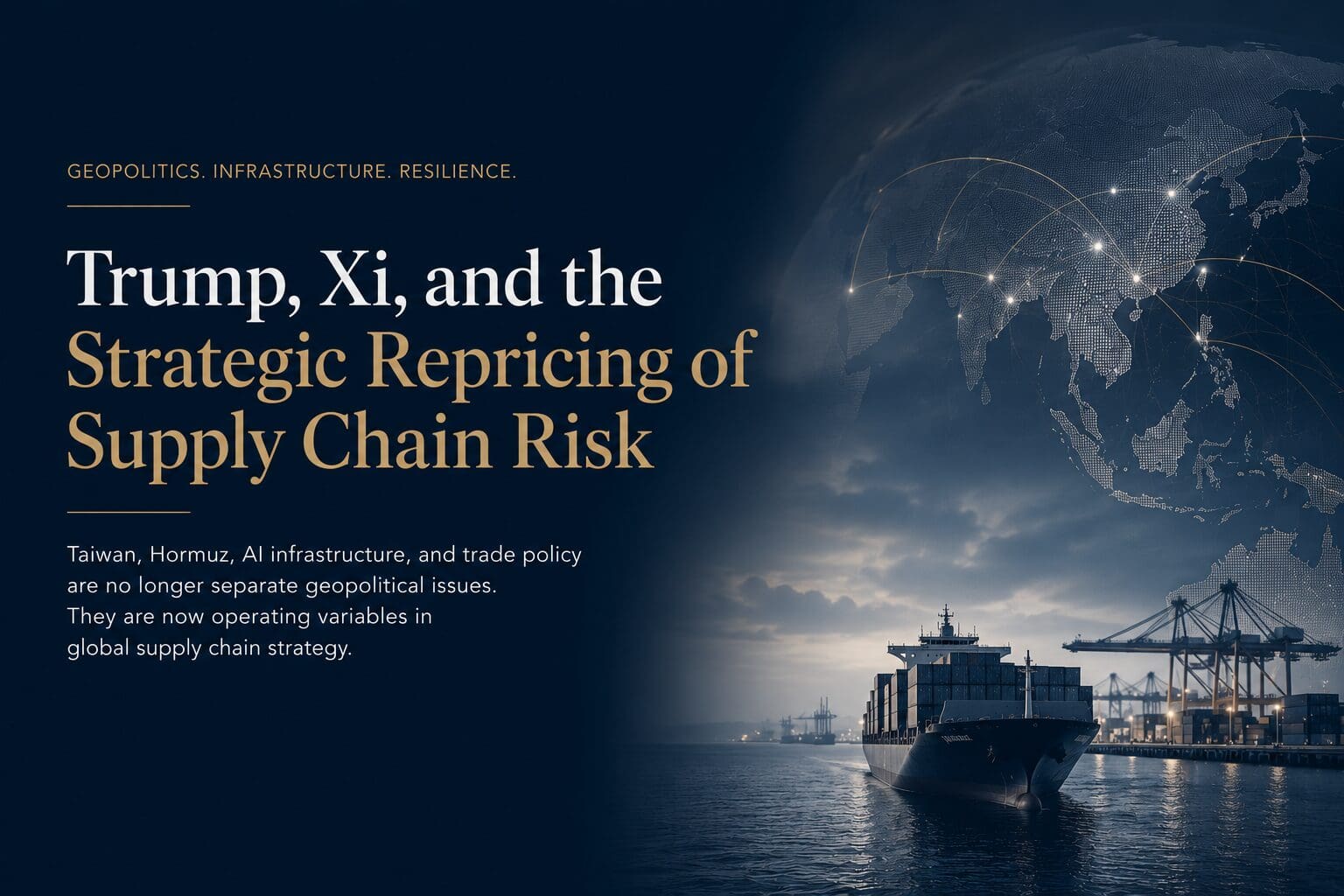
The supply chain world holds its breath. Any flicker of stability in the Persian Gulf, particularly around the Strait of Hormuz, has ripple effects. Reduced geopolitical tension usually means less volatility in oil prices, which, for anyone tracking shipping costs or manufacturing inputs, is always good news. But ‘avoiding escalation’ and ‘lasting peace’ are two very different beasts. This feels more like a temporary ceasefire than a permanent thaw.
The deal would avoid an escalation of the war and decrease the pressure on the global oil supply. However, it’s unclear whether it will lead to a lasting peace agreement that also addresses President Trump’s nuclear demands.
The optimism from U.S. officials is palpable, a familiar tune in these high-stakes negotiations. They want a deal. Of course, they do. It looks good. It signals control. But the cautious language – ‘not been finalized,’ ‘could still fall apart’ – is the real story. It’s the asterisk that negates the exclamation point.
For 20 years I’ve watched these high-wire acts. The pronouncements of imminent breakthroughs, the carefully worded statements designed to appease one side or the other, or perhaps just to manage market expectations. This Iran deal saga is no different. It’s a game of inches, played out in press briefings and encrypted channels. Who benefits if this deal doesn’t fully materialize? The defense contractors, certainly. The geopolitical hawks. And potentially, those looking to maintain a certain level of market uncertainty for their own gain. It’s a complex dance, and the music is far from over.
This is a developing story. Check back for updates.