Look, for the past three decades, the mantra for supply chain folks was simple: cheaper is better. Find that factory in Vietnam or Mexico, trim inventories to the bone, and assume the shipping lanes would stay open. It was all about squeezing out every last penny of efficiency. Well, guess what? That party’s over.
What does this mean for you and me? It means your new iPhone might cost more, your car could have a longer wait time, and that fancy AI gadget you’ve been eyeing? It might be stuck in customs or simply unavailable because the chips it needs aren’t coming from Taiwan anymore. This isn’t abstract economics; it’s the tangible reality of global supply chains being fundamentally reshaped by geopolitical theater. The upcoming chat between Trump and Xi isn’t just diplomatic niceties; it’s a high-stakes game of chicken where the consequences are felt in your wallet.
Is Geopolitics the New Supply Chain Czar?
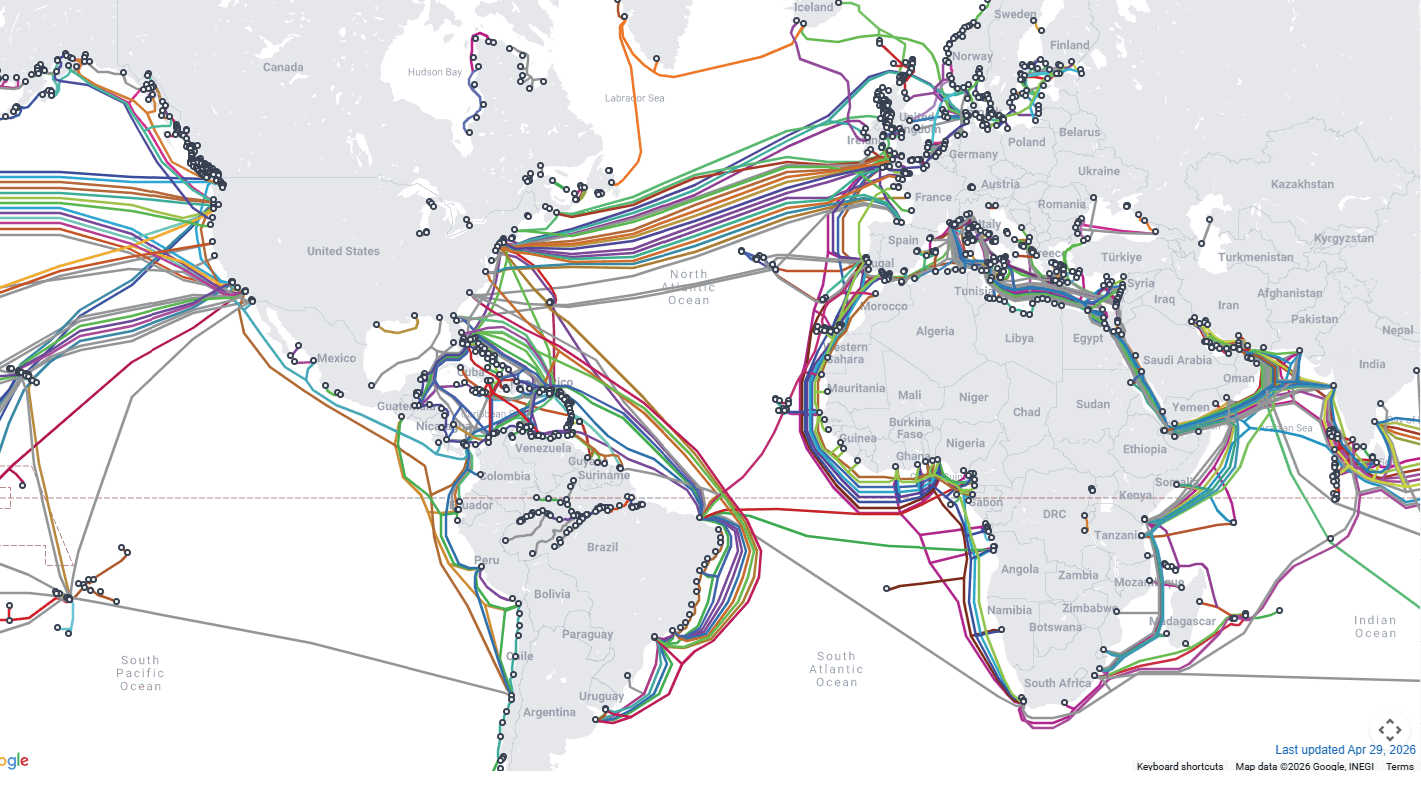
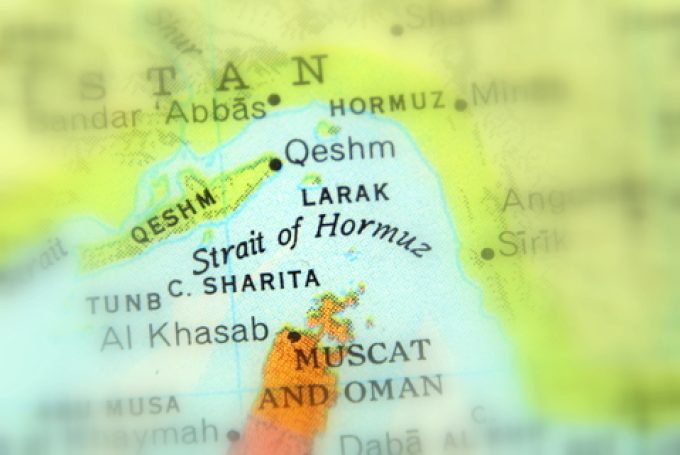
Suddenly, places like Taiwan – you know, the island churning out most of the world’s advanced chips – and the Strait of Hormuz, the vital artery for global oil, aren’t just dotting the map. They’re now active variables in corporate boardrooms. The old assumption that trade flows would remain stable and chokepoints would stay open? It’s officially out the window. Senior supply chain leaders are waking up to the fact that a naval incident off Iran or a political dust-up over Taiwan isn’t just a headline; it’s a direct threat to their operations, their bottom line, and quite possibly, their jobs.
This isn’t just about a tariff here or there. It’s a dawning realization that the very infrastructure of global commerce – the physical pipes and digital highways – has become a battleground for strategic competition. And guess who pays the price when the battle lines shift? Us.
Taiwan: More Than Just an Island, It’s Your Chip Source
Taiwan. The name alone is enough to send shivers down the spines of supply chain strategists these days. It’s not just about the looming threat of military conflict, though that’s certainly on the table. It’s the sheer concentration of critical semiconductor manufacturing. If something happens there, it’s not just one industry that’s hit. Think automotive, cloud computing, AI hardware, aerospace, and your everyday consumer electronics. All of them are tethered to Taiwan’s silicon output.
A disruption? That forces a frantic scramble. Reassessing suppliers, rethinking inventory levels, deciding which customers get what limited products – it becomes a fire drill at the highest level. This is no longer a niche concern for the procurement department; it’s a board-level headache. The real question for companies isn’t ‘if’ a crisis hits Taiwan, but ‘when’ and how quickly they can untangle their dependence. And what will that cost in terms of service, profit margins, and capital investment?
Hormuz: The Ripple Effect of Energy Disruptions
And then there’s the Strait of Hormuz. Still a massive bottleneck for global energy supplies. Any prolonged interruption there doesn’t just mean higher gas prices at the pump. Oh no. It’s a cascading disaster: soaring ocean freight costs, more expensive diesel for trucking and air cargo, massive spikes in petrochemicals and plastics, and ultimately, widespread consumer inflation. Forget just managing your suppliers; now you’ve got to factor in the volatility of energy corridors, the sky-high cost of maritime insurance, and the sheer unpredictability of geopolitical routing.
Energy security isn’t just about buying oil anymore. It’s a tangled mess of transportation costs, manufacturing expenses, pricing strategies, and the crippling impact on working capital. Companies have gotten good at supplier risk, but few have truly integrated the risk of an energy chokepoint into their planning with the same seriousness.
The Beijing summit matters because each of these domains can now affect the others.
Trade Policy: Now Officially Supply Chain Policy
So, what about the summit itself? Expect talk of tariffs, investment restrictions, export controls – all the usual diplomatic wrangling. But these aren’t abstract policy debates anymore. They are direct influences on the final cost of goods, where companies decide to source from, how they vet suppliers, where they invest their capital, and where they decide to build their factories. For industries heavily reliant on China – electronics, auto, medical devices, chemicals – policy shifts aren’t external shocks; they’re embedded in the core supply chain planning process. The old way was to treat trade disruption as something that happened to you. The new way is to build it into your scenario planning, your supplier evaluations, and your executive risk discussions.
AI Infrastructure: The New Digital Dependency
And let’s not forget Artificial Intelligence. It’s not just a buzzword anymore; it’s a physical requirement. Advanced AI systems need semiconductors, a constant supply of power, massive data centers, sophisticated cooling systems, high-speed networks, and access to rare earth minerals. These aren’t just abstract technological dependencies; they are tangible infrastructure demands. As businesses pile into AI for everything from forecasting and logistics optimization to warehouse automation and supplier risk analysis, they’re creating new, critical dependencies on physical infrastructure. Disruptions in the supply of these components, or the energy to power them, could cripple AI-driven operations. The very technology promising to optimize supply chains could itself become a critical vulnerability.
This isn’t a drill, folks. The era of treating geopolitics as something that happens ‘over there’ is over. It’s here, it’s now, and it’s coming to a supply chain near you.
🧬 Related Insights
- Read more: ICE Deported 442K in FY25: Trump’s 1st Data Dump [Analysis]
- Read more: Ceva Logistics Talent Exodus Continues Despite Saadé’s Efforts
Frequently Asked Questions
What does “strategic repricing of supply chain risk” mean? It means companies are no longer just calculating costs based on efficiency. They’re adding significant buffers and contingency plans for geopolitical events like trade wars, regional conflicts, and resource nationalism that could disrupt their supply lines.
Will this lead to more onshoring or nearshoring of manufacturing? Likely. As the cost and unpredictability of global shipping and sourcing increase due to geopolitical tensions, businesses are increasingly looking at bringing production closer to home or to politically stable allied nations to mitigate risk, even if it’s initially more expensive.
How does AI fit into this new supply chain risk model? AI itself has a supply chain. The chips, power, and data centers needed for AI infrastructure are now critical dependencies. Disruptions in these areas can directly impact the effectiveness and availability of AI tools designed to manage supply chain risks, creating a new layer of complexity.