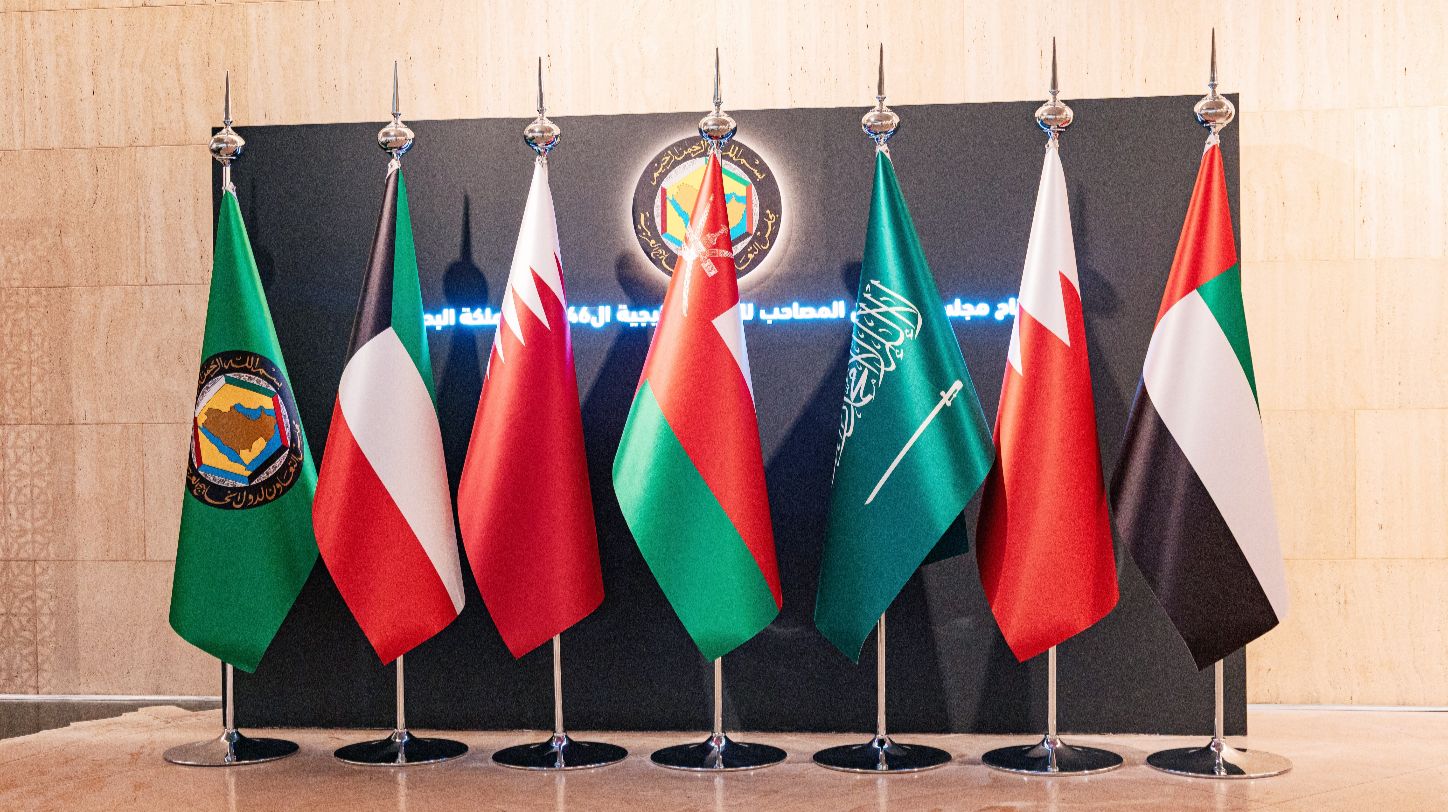
Think about it. Every day, countless containers inch across borders, each laden with goods that carry the invisible weight of tariffs. We talk about logistics, efficiency, and digital transformation in supply chains, but often, the most fundamental friction point — the cost of getting goods from A to B due to governmental policy — gets a gloss-over. Now, with the ink still drying on the UK-GCC deal, it’s time to unpack what this means, beyond the £580 million in annual duty removals.
This isn’t just about a few cheddar cheese exports suddenly becoming cheaper for consumers in Dubai. This is about a foundational shift in how British businesses can approach the Middle East market. When you remove duties that effectively act as a tax on imports, you’re not just reducing the price tag. You’re fundamentally altering the cost-benefit analysis for manufacturers, distributors, and retailers on both sides.
Is This Just About Lower Prices?
The most immediate, and arguably most PR-friendly, impact is the tariff reduction. The UK government projects an impressive £580 million in annual duty removals, with a chunky £360 million kicking in from day one. This isn’t chump change. It directly impacts sectors like food and beverage – think cereals, cheddar, chocolate, butter – making them more competitive. But dig deeper. This deal is also about IP protections and, crucially, simplified customs processes. This is where the real architectural shift happens in supply chain operations.
Simplified customs? That’s the magic sauce. Imagine reducing the lead time not just by optimizing trucking routes, but by cutting down the bureaucratic knots that can tie up shipments for days, sometimes weeks. For perishable goods, this is a lifesaver. For high-value manufactured goods, it means less risk of damage or theft during extended port stays. It’s about reducing the “hidden” costs that aren’t on the invoice but are very much on the balance sheet.
The £3.7 Billion Question
Keir Starmer is touting this as a £3.7 billion boost to the UK economy long-term, with £1.9 billion in real wages. Bold claims. But what’s the underlying mechanism? It’s the aggregate effect of thousands of individual business decisions being re-evaluated. When tariffs shrink and customs clear faster, a small UK manufacturer might suddenly find exporting to Qatar economically viable for the first time. A larger firm might decide to consolidate its GCC distribution hub in a single, more efficient location, thanks to reduced import friction across the bloc. This deal acts like a lubricant for the gears of international trade, smoothing out previously sticky points.
It’s easy to get lost in the macroeconomic projections. The real story is in the micro-level operational changes. Think about the supply chain managers who can now plan inventory with more certainty, knowing that the cost of goods won’t fluctuate wildly due to arbitrary import taxes. Think about the logistics providers who can now offer more streamlined, cost-effective solutions to their clients. This deal, if implemented effectively, moves us from a scenario where every shipment is a potential negotiation with customs, to one where it’s a more predictable flow.
A Historical Parallel: The EU’s Single Market?
While it’s a stretch to compare a bilateral trade deal to the creation of the EU’s single market, there are echoes. The fundamental principle is the reduction of barriers to trade between distinct economic entities. The EU aimed for the free movement of goods, services, capital, and people. This UK-GCC deal, on a much smaller scale, is about creating a more unified economic zone, at least in terms of customs and tariffs. It encourages a deeper integration of supply chains, making cross-border operations less about managing discrete national systems and more about operating within a larger, more fluid economic space.
Of course, there are always caveats. The effectiveness of this deal hinges on its full implementation and the continued stability of the region. The UK’s own regulatory alignment and its ability to capitalize on these new opportunities will also be key. But the intent is clear: to reorient trade flows and unlock new avenues for economic growth by fundamentally altering the cost and complexity of moving goods across borders.
This isn’t just a press release item; it’s a potential inflection point for how UK businesses engage with a strategically vital economic bloc. The real question isn’t if duties will be removed, but how businesses will architect their supply chains to fully exploit this new reality. The £580 million in saved duties? That’s just the entry fee.