Physical AI is here.
No, not with chrome plating and a vaguely unsettling smile. The evolution of artificial intelligence has finally broken free from the glowing screen, plunging headfirst into the messy, unpredictable reality of the physical world. We’ve moved past perception (identifying a cat, recognizing your voice) and generative AI (writing essays, creating art). Now, agentic systems are orchestrating digital workflows, but that’s still pixels on a pane. The real revolution is happening in our factories, our warehouses, and soon, our homes – though likely not in the form of a sentient C-3PO.
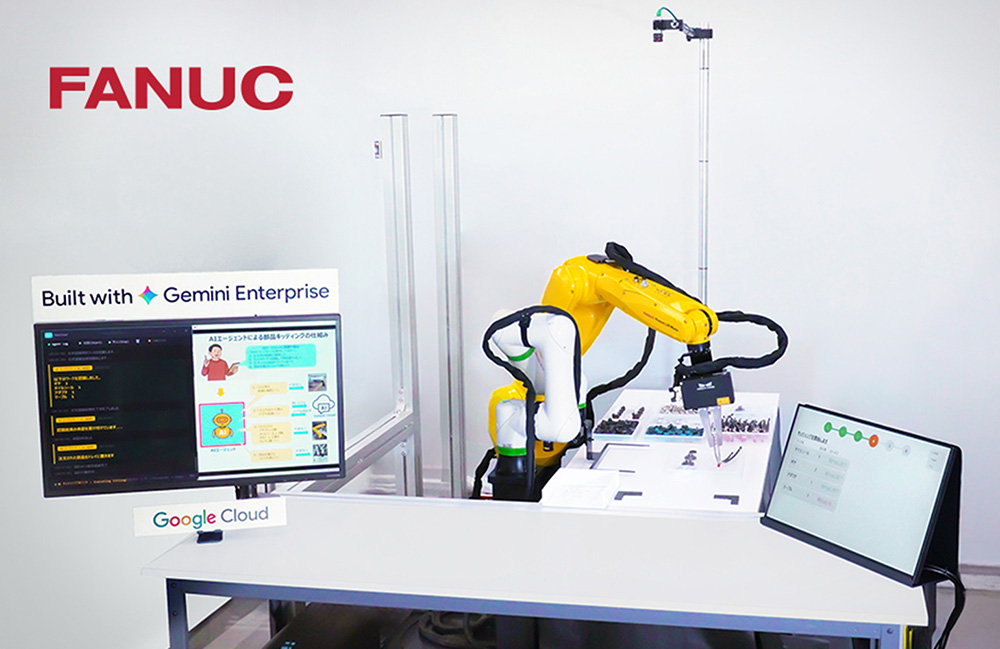
The core argument? Physical AI isn’t about building a general-purpose humanoid robot capable of doing your taxes and then doing the dishes. It’s about specialized robots, powered by intelligence at the edge, designed to execute a single task with ruthless efficiency and cost-effectiveness. This is a crucial pivot, one that challenges the hype surrounding hyper-realistic androids.
From Seeing to Doing: The Action Imperative
For years, AI in robotics has been a sophisticated observer. Systems could “see” a warehouse aisle, “hear” a command, and understand the environment with uncanny accuracy. But this perception layer was often bolted onto pre-programmed, rule-based action sequences. AI told the robot what it was seeing, but the robot’s response was still dictated by a human-written script, susceptible to the slightest deviation.
Physical AI upends this. It demands a constant, smoothly loop: sense, reason, act, and adapt – all in real-time. Imagine a cleaning robot. Today’s best might recognize a stray sock and navigate around it. But the next generation, the one truly embracing physical AI, will identify the sock, pick it up, and place it neatly in a hamper. That leap requires on-device intelligence, making edge computing not just a nice-to-have, but an absolute necessity.
“Running intelligence locally ensures systems can operate in real time without dependency on network conditions. It also improves reliability, privacy, and consistency – factors that become more important as AI systems take on real-world responsibility.”
This isn’t about a robot fetching your slippers; it’s about machines that can reliably perform complex physical tasks without the crippling latency of a cloud connection. Think of autonomous agricultural equipment making micro-adjustments to fertilizer application or delivery drones navigating unpredictable urban environments. These systems can’t afford a dropped packet or a slow response.
Why the Edge is the New AI Battlefield
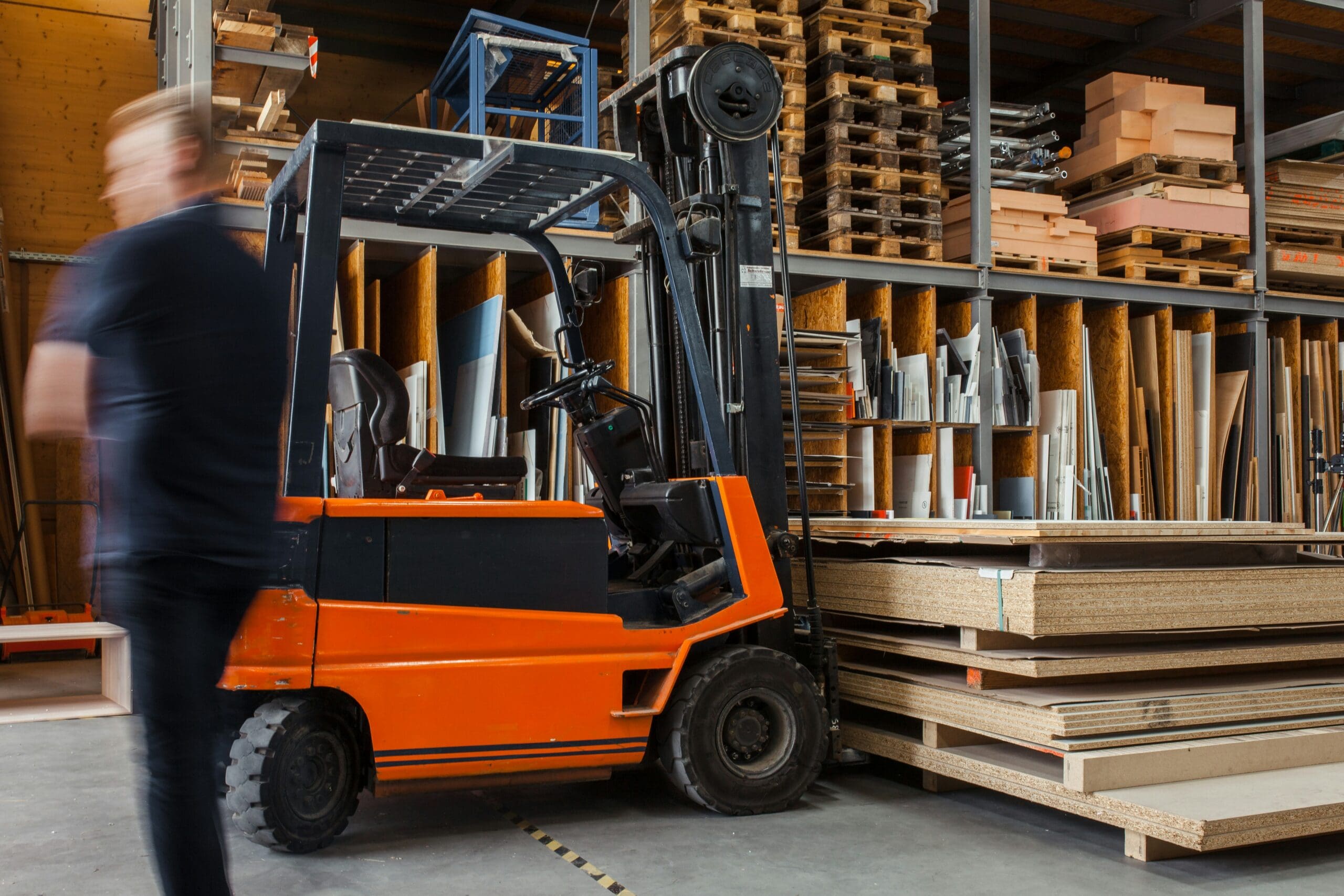
Cloud computing will, of course, remain indispensable for the heavy lifting: training vast AI models, aggregating performance data, and refining algorithms. But when a robot arm needs to adjust its grip mid-assembly or a self-driving forklift needs to brake instantly to avoid a collision, waiting for a round trip to a data center is a non-starter. Latency is the enemy of real-world action.
This is where the edge computing paradigm takes center stage for physical AI. Localized processing ensures that decisions are made in microseconds, directly where the action is happening. It’s about robustness, privacy, and consistent performance, especially in environments with spotty connectivity. A hybrid model, where the cloud trains and the edge executes, is the pragmatic future.
The Humanoid Mirage
All the breathless excitement around humanoid robots – machines designed to mimic human form and function – often distracts from the more immediate, commercially viable reality. While the dream of a general-purpose automaton is compelling, the practical hurdles are immense. The primary bottleneck isn’t intelligence anymore; it’s hardware. Developing mechanical systems with human-level dexterity, energy efficiency, and cost-effectiveness is a monumental challenge.
Building robots that can perform a wide array of human tasks requires engineering feats in actuators, joints, and energy storage that are still years, if not decades, away from widespread, affordable deployment. For now, general-purpose humanoids will likely remain confined to niche, high-end applications. The mass market, however, is heading in a decidedly different direction.
The Unsung Power of Task-Specific Design
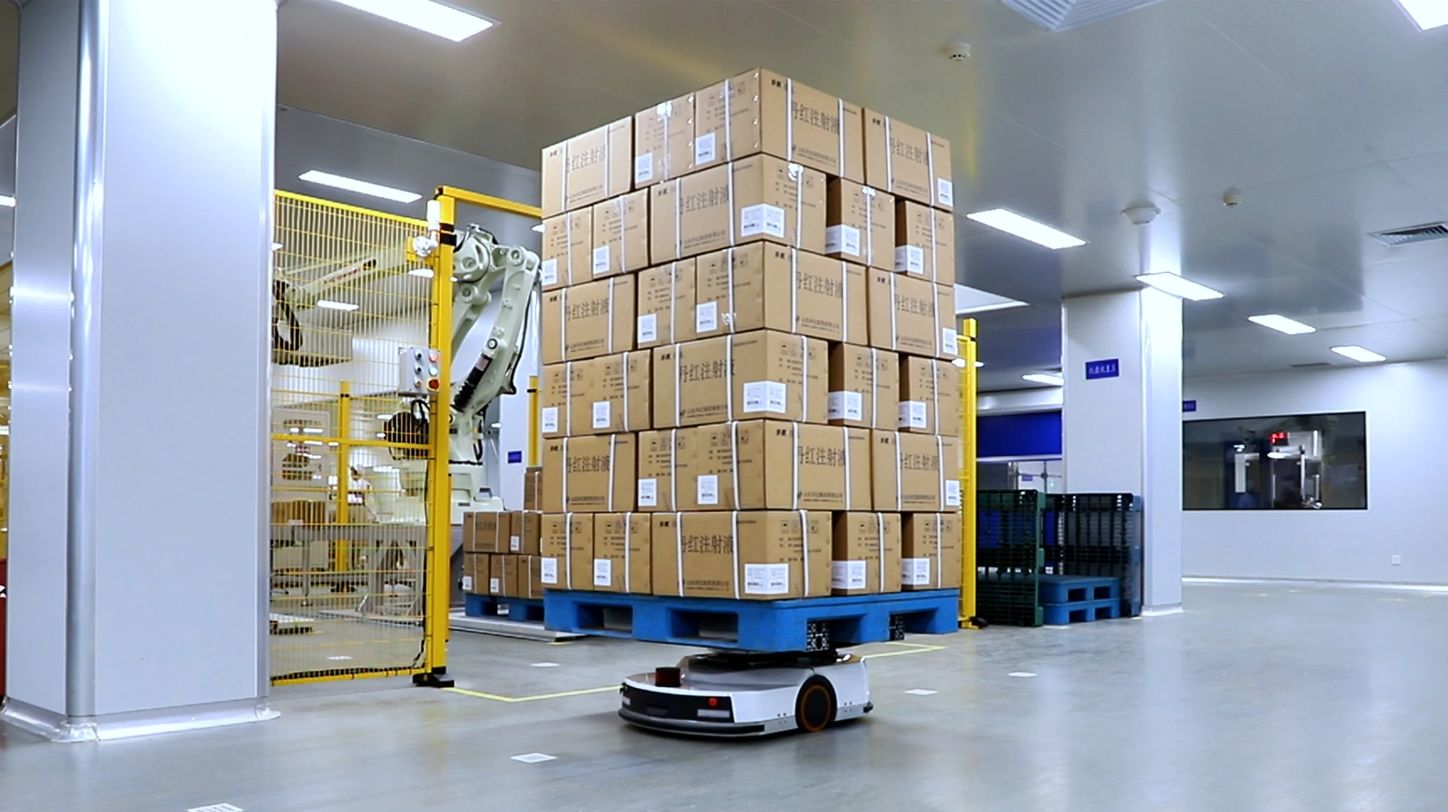
The real innovation isn’t a robot that can do everything, but robots that do one thing exceptionally well. Task-specific robots are the workhorses of the coming physical AI revolution. They are designed for defined use cases, operating within controlled or semi-structured environments. A robotic kitchen assistant might excel at chopping vegetables and cleaning counters, but it won’t be folding your socks anytime soon. A warehouse bot efficiently moves pallets, but it’s not navigating your living room.
This focus on specialization is key. Autonomous agricultural machines are fine-tuned for crop monitoring and precision spraying. Delivery robots are optimized for the complexities of last-mile logistics. Even in consumer markets, the Roomba remains a floor-cleaning specialist. The drone that inspects infrastructure is a far cry from a personal assistant.
This is where the market is truly moving: toward cost-efficient, highly capable machines solving specific, high-value problems. The future of physical AI is not about artificial humans, but about artificial competence – deployed at the edge, focused on the task, and, crucially, built for a price point that makes sense.
🧬 Related Insights
- Read more: Diesel Prices Drop 3.5¢ But Stickiness Looms [Expert View]
- Read more: Expulsion Votes Loom for Swalwell and Gonzales: Partisan Chaos Hits Congress
Frequently Asked Questions
What does physical AI mean for robotics?
Physical AI means robots move beyond just perception to actively reasoning and acting in the real world, requiring on-device intelligence at the edge for real-time control and adaptation.
Are humanoid robots the future of physical AI?
While compelling, general-purpose humanoid robots face significant hardware and cost challenges. The near-term future of physical AI favors task-specific robots optimized for efficiency.
Why is edge computing crucial for physical AI?
Edge computing is vital for physical AI because it enables real-time decision-making and action without the latency or connectivity risks associated with relying solely on the cloud.