Are you sure your warehouse management system is just that anymore? Because the ground is shifting beneath the feet of WMS providers, and frankly, the entire concept of what a WMS does is being fundamentally rewritten. It’s not just about tracking inventory anymore; it’s about orchestrating a complex ballet of human hands, autonomous machines, and intelligent algorithms. This isn’t just an incremental upgrade; it’s an architectural revolution in how goods move from dock to doorstep.
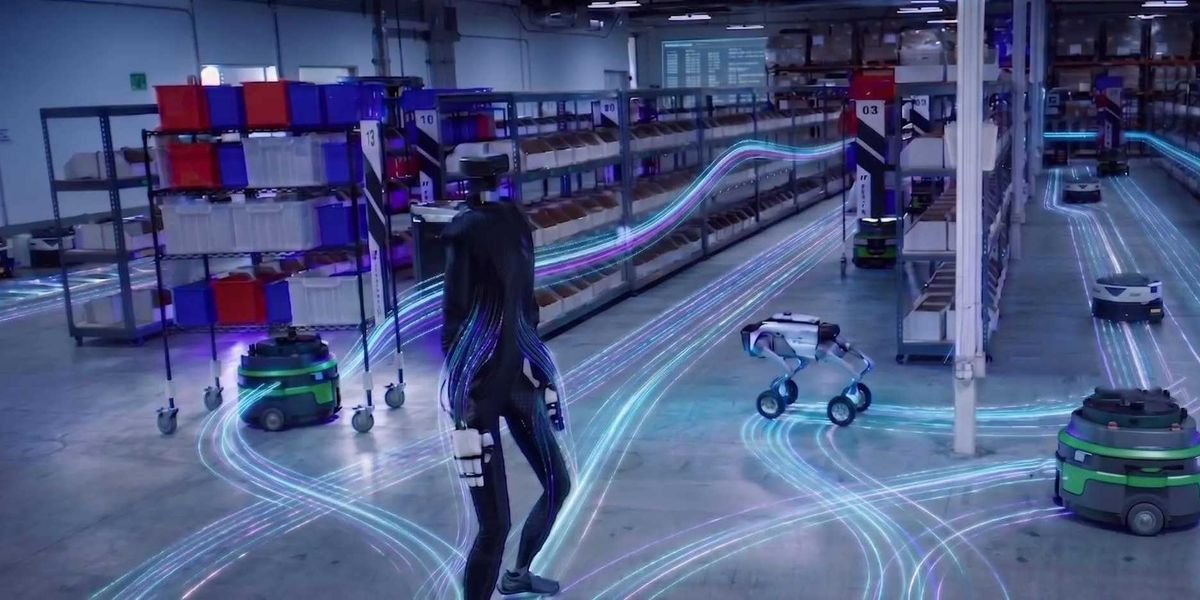
The once-clear boundaries of Warehouse Management Systems are dissolving, morphing into a dynamic coordination layer. Think of it less as a ledger and more as a conductor, directing an orchestra where robots are the virtuosos and AI provides the complex score. The driving forces are no surprise: the relentless drumbeat of e-commerce, the ever-increasing complexity of fulfilling diverse customer demands, and the societal expectation for near-instantaneous delivery. Businesses are pouring investment into WMS not just for better inventory counts, but for the agility to pivot on a dime, respond to the unexpected, and crucially, proactively address the persistent specter of labor shortages.
Automation: No Longer an Optional Extra
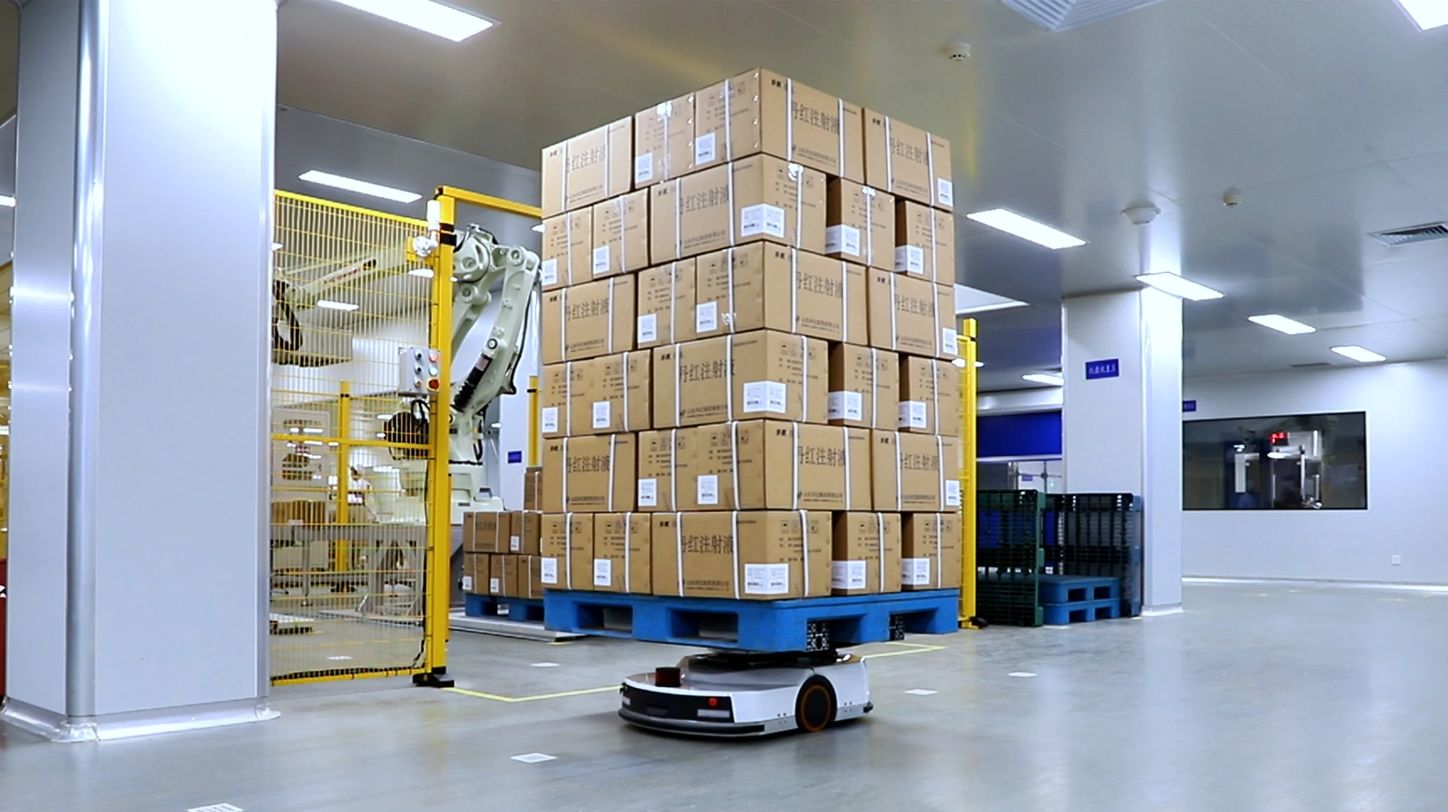
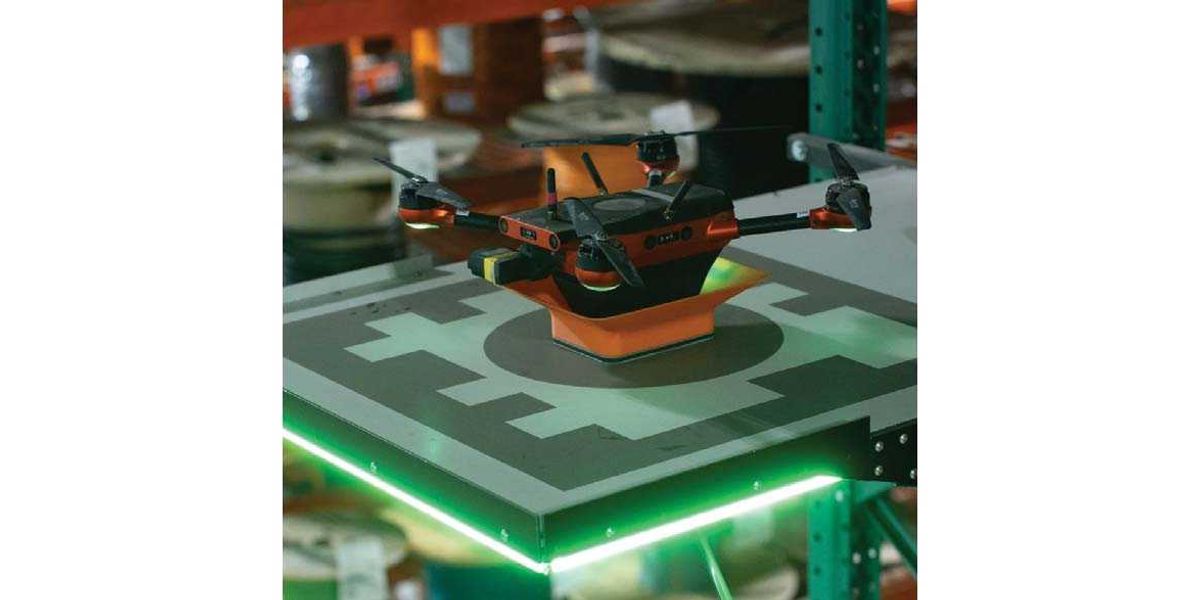
Here’s the thing: automation isn’t a feature you bolt on anymore. It’s the bedrock. WMS platforms are now being built with an inherent understanding of how to weave robotics, autonomous mobile robots (AMRs), and sophisticated material handling equipment into the daily grind. The goal? To strike a delicate, and often tricky, balance between what humans do best and what machines can execute with tireless precision. This is about more than just task assignment; it’s about systems that can learn from past operational hiccups, proactively suggest smarter moves, and even — get this — peer into the future to flag potential disruptions before they even materialize.
The real magic, though, is happening within the AI layer. We’re seeing AI not just assisting, but actively driving execution and providing critical decision support. This manifests in predictive analytics that forecast demand with uncanny accuracy, dynamic slotting that constantly optimizes product placement, and operational decision-making that’s less gut instinct, more data-driven intelligence. Agent-based tools are emerging, capable of diagnosing operational issues and even simulating potential outcomes, letting operators run “what-if” scenarios without risking a single carton. And for those struggling with data overload, chatbots and intelligent agents are becoming the go-to for fast, intuitive access to information, dramatically slashing the time spent mired in complex decision trees. Plus, there’s a significant push towards low-code platforms, empowering organizations to customize these powerful systems to their unique operational DNA with unprecedented ease.
The Great Convergence: Beyond the Warehouse Walls
This shift isn’t happening in a vacuum. The WMS is increasingly becoming a node within a much larger supply chain execution ecosystem. We’re talking about a smoothly integration with transportation management, yard management, labor management, and order management systems. Vendors are acutely aware of this, increasingly positioning their WMS not as a standalone app, but as a central component of an integrated, holistic platform. AI, again, is the key enabler here. By unifying disparate systems and making data fluid and accessible, AI can untangle complex, cross-system processes. Imagine a stock-out scenario: instead of a supply chain planner painstakingly piecing together data from inventory, shipping, and warehousing systems, AI can identify the issue and potential solutions in mere moments.
Why Does This Matter for Developers?
This evolving landscape presents a fascinating challenge for developers and technical architects. The demand for interoperability is paramount. Gone are the days of monolithic, self-contained systems. Modern WMS requires APIs that are not just functional but elegant, capable of handling the real-time, high-velocity data streams generated by automation and AI. The technical architecture itself needs to be cloud-native, scalable, and modular, allowing for rapid iteration and adaptation as new technologies emerge. Understanding the complex dance between hardware (robots, sensors) and software (WMS, AI algorithms) is no longer a niche specialization; it’s becoming a core competency for anyone building in the supply chain execution space.
The Market Map Mess: Navigating a Blurring Landscape
As these powerful trends converge, the WMS market is becoming a notoriously tricky beast to pin down and evaluate. You’ve got functional overlap everywhere—between WMS, Warehouse Execution Systems (WES), specialized robotics platforms, and even broader planning systems. Vendors, understandably, spin their capabilities in ways that can make direct comparisons feel like comparing apples and oranges, or maybe more accurately, apples and advanced AI-driven exoskeletons. The scope of WMS is also expanding dramatically, swallowing adjacent execution domains whole.
This creates a significant disconnect. Traditional market analysis, the kind that segments vendors by size or deployment model, simply isn’t cutting it anymore. It fails to capture the real-world performance differences or the pace of innovation. This is why research firms like ARC are recalibrating their entire approach, shifting their focus from historical growth figures and market sizes to a deeper dive into functional capabilities, the sophistication of technical architecture (think cloud readiness, scalability, and how well systems talk to each other), the depth of integration with automation and other execution systems, and, of course, the actual power and utilization of AI and data.
Suppliers are assessed across two primary dimensions: Solution Capabilities (Execution Today) and Strategic Vision (Future Positioning).
This isn’t just academic posturing. It’s a necessary evolution to help buyers make sense of a market where differentiation is increasingly found in the intelligence and interconnectedness of the system, not just its feature list. The introduction of frameworks like ARC’s Market Map aims to bring some much-needed structure and transparency to this chaotic, yet exhilarating, evolution.
Will This Replace My Job?
It’s a question on everyone’s mind. While automation and AI will undoubtedly change many warehouse roles, they’re more likely to augment rather than wholly replace human workers in the near to medium term. The focus will shift from repetitive manual tasks to roles requiring oversight, problem-solving, and the management of these sophisticated systems. Think of operators who can troubleshoot AI anomalies or robotics technicians who understand the WMS interface. The demand for skilled individuals who can bridge the gap between technology and operations will likely increase.
🧬 Related Insights
- Read more: Appalachian Lithium: USGS Sparks EV Battery Hope
- Read more: What is a 3PL?
Frequently Asked Questions
What exactly does a modern WMS do beyond inventory tracking? A modern WMS acts as a central orchestrator for warehouse operations, managing everything from receiving and put-away to picking, packing, and shipping. It integrates with automation, uses AI for decision support, and coordinates workflows across people and machines to optimize efficiency, accuracy, and responsiveness.
How is AI changing WMS? AI is transforming WMS by enabling predictive analytics, dynamic inventory slotting, automated decision-making, and intelligent agents that can diagnose issues and simulate outcomes. It also helps unify data across disparate systems, leading to faster and more informed operational choices.
Is the WMS market consolidating or fragmenting? The WMS market is experiencing a form of both. While vendors are expanding their capabilities into adjacent areas (fragmentation of traditional WMS definitions), there’s also a push towards integrated execution platforms, which implies a form of consolidation around key providers offering broader suites. The evaluation of the market is becoming more complex due to this convergence.