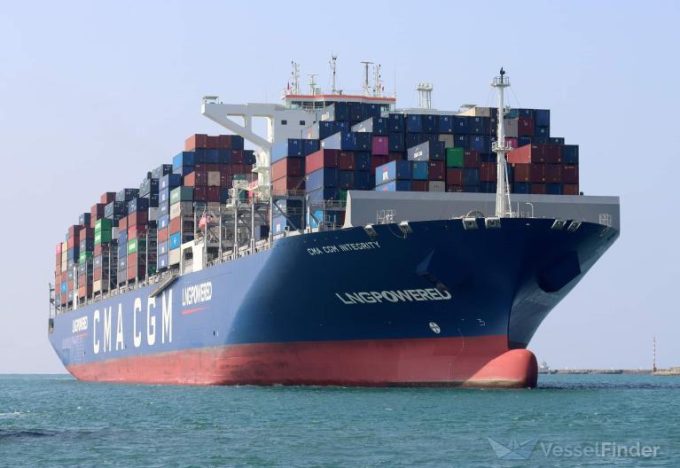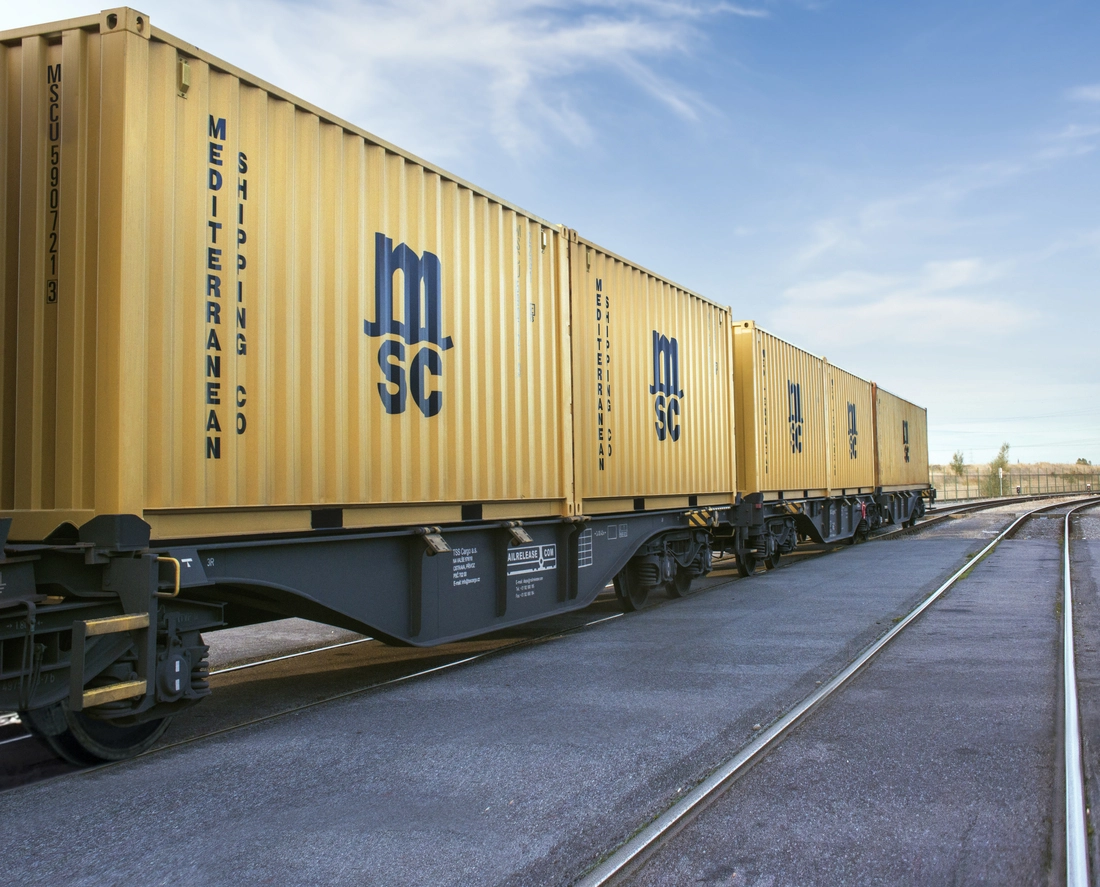
So, what does it really mean when a CEO gets indicted for price fixing? Forget the dry legalese for a second. This isn’t just another corporate scandal buried in footnotes. This is about the price you’ll pay for that new gadget, the delay you might face getting that vital component, and the very real impact on businesses trying to keep the global engine humming. We’re talking about the stuff that lands on your doorstep, the materials that build our infrastructure, and the invisible threads holding the modern economy together.
This news about Singamas CEO Teo Siong Seng and other container manufacturing titans facing US Justice Department accusations cuts to the very heart of how goods travel the planet. It’s a seismic shift, a seismic event that will ripple far beyond the executive suites and into the hands of consumers and businesses alike.
The allegation? A conspiracy to restrict production, to inflate prices – to, essentially, cheat the market. And the timing? Right in the sweet spot of the pandemic when everyone was desperate for containers, when shipping rates went supernova. The US DoJ claims prices for dry containers doubled between 2019 and 2021, a period where these companies saw profits skyrocket – we’re talking a mind-boggling 100-fold increase.
Think of it like this: imagine the builders of the roads you drive on, the manufacturers of the pipes that bring you water, all secretly agreeing to charge you double, knowing you have no other way to get around or to drink.
This isn’t just about accusations; it’s about the infrastructure of global commerce itself being potentially compromised. The indictments specifically name Singamas, China International Marine Containers, Shanghai Universal Logistics Equipment, and CXIC Group Containers, and seven executives in total. This is a concentrated assault on a key sector.
The AI Accelerator: A Hidden Beneficiary?
Here’s where it gets interesting, and perhaps a touch ironic. While this probe is focused on human-driven collusion, the underlying technological shifts are accelerating. AI, for instance, is rapidly becoming the bedrock of more transparent and efficient supply chains. Instead of shadowy meetings to fix prices, imagine AI algorithms constantly scanning for market equilibrium, predicting demand, and optimizing routes. This sort of cartel behavior, frankly, is the antithesis of what AI promises.
We’re on the cusp of a new era in logistics. The days of opaque pricing and insider deals, if this indictment proves true, are being challenged not just by regulators but by the sheer, unstoppable force of technological advancement. AI can analyze vast datasets, identify anomalies, and ensure fairer pricing – something that seems to have been conspicuously absent in the alleged actions of these container giants.
Why Does This Matter for Shippers?
For businesses that rely on moving goods – and let’s be honest, that’s pretty much every business – this is more than just a headline. It’s a stark reminder of the vulnerabilities in our global supply chains. If containers were artificially inflated in price, that cost, directly or indirectly, gets passed down. Think about the increased prices for electronics, furniture, even the raw materials for manufacturing. All of it travels in these metal boxes.
And this isn’t the first time we’ve seen whispers of trouble. We saw a Singamas executive in court documents, from as far back as December 2019, reminding others about the importance of discretion, mentioning “monopoly law” and “price manipulation.” It paints a picture of an awareness, at some level, that these actions were on shaky ground. Then there was the arrest of a Singamas marketing director in France earlier this year, awaiting extradition to the US.
It all points to a concerted effort to investigate and, if warranted, dismantle practices that harm fair competition. The Singaporean government’s response – with Teo Siong Seng stepping down from his roles in various trade and economic bodies – signals the seriousness with which this is being taken at the highest levels.
A Historical Echo: From Shipping Magnates to Tech Titans
This isn’t the first time the shipping industry has been in the regulatory spotlight. Remember the era when shipping magnates wielded almost absolute power? This feels like a echoes of those times, but now playing out in the context of a globalized, technologically interconnected world. What’s different now is the speed at which information travels and the increased scrutiny from international bodies and antitrust enforcers. We’re moving from a world where powerful individuals could dictate terms, to one where transparency, driven by both regulation and technology, is becoming the norm. This indictment is, in a way, a proof to that evolving landscape.
“As a result of the conspiracy, prices of dry containers doubled between 2019 and 2021, increasing container manufacturers’ profits by about 100-fold during the Covid pandemic, when container freight rates reached historical highs.”
This quote from the US DoJ is the smoking gun, the starkest indicator of the alleged harm. A 100-fold profit increase during a period of global strain? That’s not just good business; that’s potentially exploitative.
The fallout from this investigation will be significant. We’ll likely see increased regulatory oversight, demands for greater transparency in pricing, and potentially a shake-up in how container manufacturing and pricing are managed. For consumers, the hope is a stabilization, or even reduction, in shipping costs. For businesses, it’s a chance for a fairer playing field. And for the industry itself, it’s a critical juncture, a moment to re-evaluate practices and embrace the transparency that the future of commerce demands.
Singamas is the company at the heart of this, but the implications stretch across the entire global shipping ecosystem. The US Department of Justice is not playing around here. This is a significant move, designed to send a clear message: anticompetitive practices will be aggressively pursued.
🧬 Related Insights
- Read more: Iran War’s Fuel Surge and Hormuz Chaos Spike Freight Costs 50%
- Read more: How Does Port Logistics Work?
Frequently Asked Questions
What exactly is container price fixing?
Container price fixing is an illegal practice where competing companies secretly agree to set prices for shipping containers at a certain level, rather than letting market forces determine them. This usually involves restricting production to keep demand high and prices inflated.
Will this indictment lower shipping costs?
Potentially, yes. If the allegations are proven and the companies are found guilty, it could lead to increased competition, greater transparency in pricing, and therefore lower costs for businesses and consumers. It could also lead to fines and other penalties that deter future price fixing.
How does AI relate to this price-fixing probe?
While this probe is about human collusion, AI is seen as a tool to prevent such practices. AI can analyze market data in real-time, detect price anomalies, and promote fairer, more transparent pricing. It offers a technological counterpoint to the potential for human manipulation in supply chains.