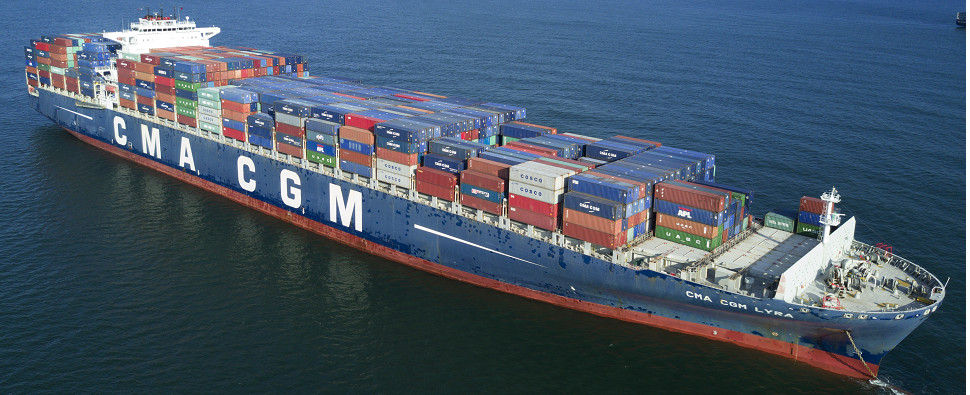
Here’s the thing: a war in the Middle East just cost the world’s ocean carriers an additional $5.5 billion in bunker fuel. Five-point-five. Billion. Dollars. That’s not a typo. Sea-Intelligence, a firm that usually lives in the weeds of shipping data, dropped that figure on us, and it’s enough to make anyone in the logistics game do a double-take. It’s a staggering sum, and it underscores a fundamental truth we too often gloss over: the sheer, raw cost of moving goods across the planet, and how easily that cost can skyrocket when the unexpected—or, in this case, the tragically predictable—happens.
The immediate trigger? The rerouting of vessels away from the Red Sea and the Suez Canal due to escalating attacks. This means longer journeys, more fuel consumed, and a hefty bill passed on to carriers. And while emergency fuel surcharges for spot shipments are a quick fix—a band-aid, really—the real pain lies with those locked into long-term contracts. Their fuel adjustment factors (BAFs), often quarterly, are simply not equipped to handle this kind of shock.
The Long Haul Becomes Even Longer (and Pricier)
This isn’t just about a few extra dollars per container. We’re talking about a systemic shockwave. Carriers are forced to send ships on extended routes around the Cape of Good Hope, adding days, sometimes weeks, to transit times. Think about that: more time at sea means more crew costs, more maintenance, and, of course, exponentially more fuel. It’s a cascade of expenses.
What’s particularly galling for carriers is the contractual rigidity. Quarterly BAFs were designed for the ebb and flow of oil prices, not for a sudden, multi-billion dollar geopolitical crisis. This disconnect creates a significant drag on profitability, especially for those carriers with a large portion of their business tied up in these fixed-price contracts. They’re essentially eating the difference, or attempting to offset it through other means, none of which are particularly pleasant.
“Emergency fuel surcharges were quickly levied on spot shipments, cargo under contract was locked into quarterly BAFs.”
This simple statement from Sea-Intelligence encapsulates the uneven burden. Spot market players, who are often more agile and willing to absorb fluctuating costs, can adapt. Contracted cargo, the bread and butter for many of these giants, becomes a financial straitjacket.
A Geopolitical Hot Potato for Global Trade
The deeper architectural shift here is how vulnerable our interconnected supply chains remain. We’ve spent decades optimizing for speed and cost, building complex networks that hum with efficiency. But this optimization often comes at the expense of resilience. When one critical artery, like the Suez Canal, becomes a no-go zone, the entire system creaks and groans under the strain.
This situation is a harsh lesson in risk management. It forces us to ask: are we building supply chains that can withstand shocks, or are we just building the most efficient domino runs? The $5.5 billion figure isn’t just a number; it’s a symptom of a system that’s been pushed to its limits and is now showing the cracks.
We’ve seen this play out before, though perhaps not on this scale or with this specific cost attached to bunker fuel. Remember the early days of the pandemic? The port congestion, the soaring container rates? That was a shock to the system. This is a different kind of shock—one born of kinetic conflict rather than viral spread, but the impact on global trade flows is equally profound.
Beyond the Fuel Bill: What’s Next?
Will this lead to permanent shifts in shipping routes? Possibly. Carriers might be forced to re-evaluate their reliance on chokepoints like the Suez Canal, exploring more diversified — albeit longer — routes. We could see a greater emphasis on regionalized supply chains, a move away from the hyper-globalization that has defined the last few decades. It’s a slow burn, but the economic reality of $5.5 billion in unexpected costs might just be the catalyst.
And for consumers? Expect to see those increased costs trickle down. Whether it’s a slightly higher price tag on imported goods or longer wait times, the ripple effects of this geopolitical headache will be felt far and wide. It’s a stark reminder that the price of peace is often measured in the smooth, uninterrupted flow of commerce, and when that flow is disrupted, everyone pays.
🧬 Related Insights
- Read more: Container Rates Surge: Peak Season Fears Amidst Geopolitical Storm
- Read more: Charleston Port Eyes Ro/Ro Expansion with AI Potential
Frequently Asked Questions
What are bunker costs? Bunker costs refer to the expenses associated with fueling ships, primarily the price of fuel oil used by vessels in the maritime industry.
Why is the Middle East war impacting shipping costs so much? The war has led to increased insecurity and attacks in key shipping lanes like the Red Sea, forcing vessels to take much longer, more fuel-intensive detours around Africa to avoid the region.
Will this affect the price of goods I buy? Yes, significantly. The increased operational costs for shipping companies will eventually be passed on to consumers through higher freight rates and, consequently, higher prices for imported goods.